


Guwahati, May 5: There was a time when the All India United Democratic Front could influence outcomes across several constituencies in Assam. This election, that space appears to have narrowed, with results pointing to a shift in both electoral patterns and voter behaviour.
The party, which had once emerged as the third-largest force in the Assembly with over a dozen MLAs, is now down to just two seats. The drop is significant, even as it continues to retain pockets of support.
In earlier elections, votes in many constituencies were spread across multiple players. AIUDF held a steady share in these multi-cornered contests. This time, in several seats, the pattern appears to have tightened, often into a more direct contest between the Bharatiya Janata Party and the Indian National Congress, leaving less space for a third force.
That shift suggests a more outcome-driven voting pattern in parts of the state. Instead of splitting across parties, sections of voters appear to have backed candidates they saw as more competitive in their constituencies.
Even limited movement of votes in this direction can significantly affect results.
In districts such as Dhubri, Barpeta and South Salmara, where AIUDF had earlier maintained a visible presence, local feedback indicates that this consolidation may have played a role. The margins in several seats reflect how small shifts translated into larger electoral outcomes.
There are organisational questions as well. Compared to previous elections, the party’s campaign did not show the same spread across its traditional areas, even as rival parties strengthened booth-level outreach.
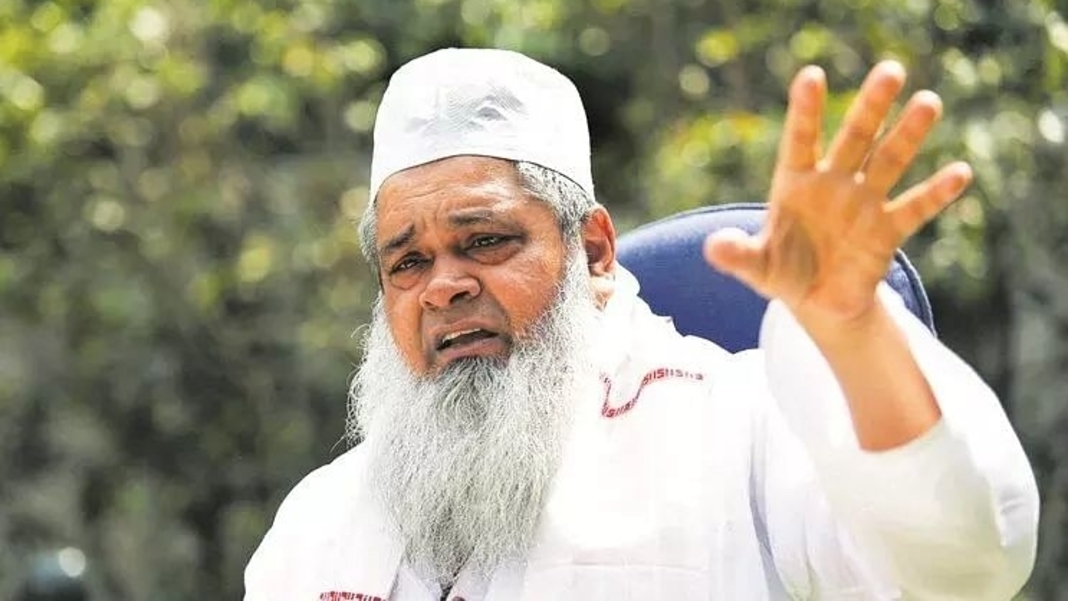
Leadership remains centred around Badruddin Ajmal, who retained his seat. Another win came from Dalgaon, where Mazibur Rahman secured a comfortable margin. At the same time, in newer constituencies such as Binnakandi, created after the recent delimitation exercise, changing voter combinations appear to have reshaped the contest.
Responding to the results, Ajmal said the Congress had lost its political standing in Assam, even as his own party’s footprint reduced.
At a broader level, Assam’s electoral space appears to be tightening. As larger parties expand and compete more directly, smaller players are finding it harder to hold independent ground.
The result may not signal a complete decline, but it does reflect a clear shift. A party that once shaped close contests is now adjusting to an electorate that, in several constituencies, seems to be voting more strategically than before.