


ROOPAK GOSWAMI
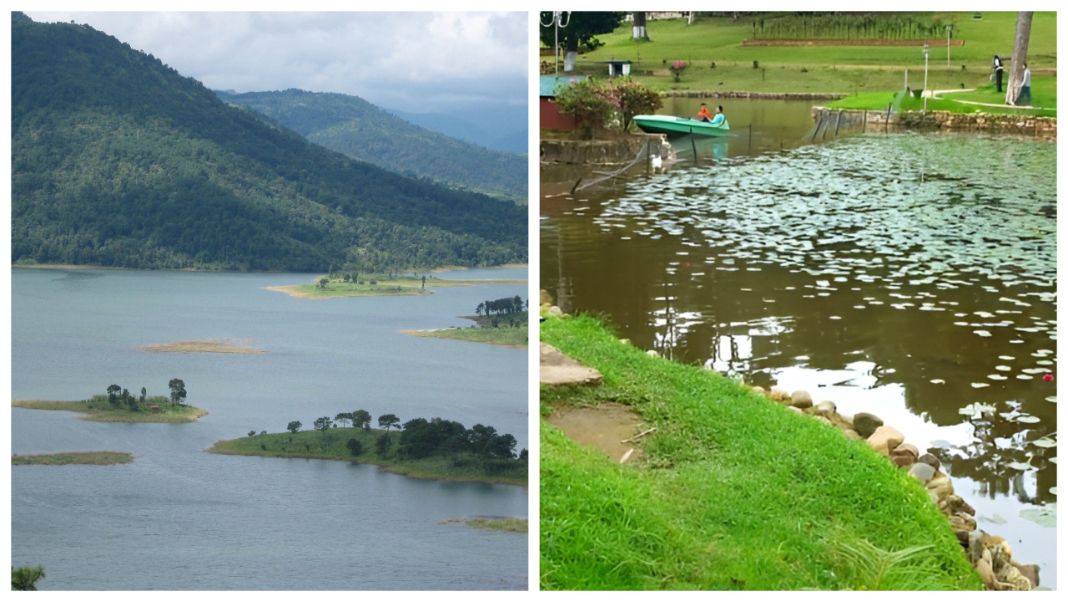
SHILLONG, July 8: Scientists have, for the first time, detected toxin-producing blue-green algae in Umiam Lake and Ward’s Lake, raising fresh concerns about the health of Meghalaya’s iconic freshwater bodies and highlighting the urgent need for regular water-quality monitoring.
The study, conducted by researchers from the Department of Biochemistry, North-Eastern Hill University (NEHU) and published in the international journal Archives of Microbiology, identified Microcystis aeruginosa—a cyanobacterium capable of producing the liver-damaging toxin microcystin—in both lakes.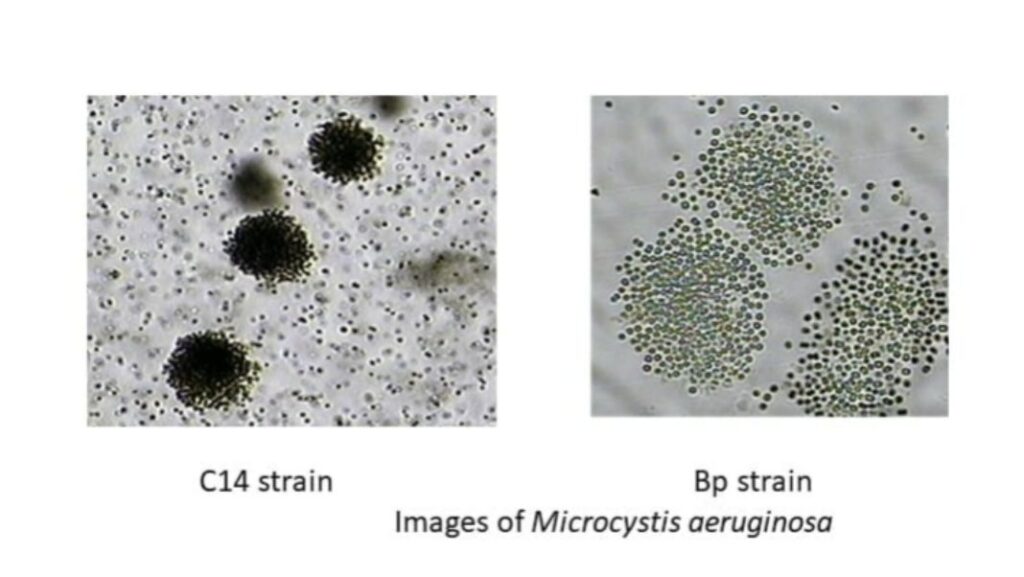
While the researchers stressed that the findings do not indicate an ongoing toxic bloom or an immediate threat to the public, they warned that Meghalaya’s lakes should be routinely monitored to detect harmful algal blooms before they pose a risk to human health and aquatic ecosystems.
The scientists detected toxin-producing genes directly from water samples collected from both lakes and successfully isolated a toxic strain from Umiam Lake. Laboratory analysis confirmed the presence of microcystin-RR, a potent liver toxin. Tests on laboratory mice revealed liver tissue damage, elevated liver enzyme levels and severe hepatotoxicity, confirming the toxicity of the isolate.
One of the study’s most striking findings is that Umiam Lake and Ward’s Lake share nearly 95 per cent of their cyanobacterial genera, despite being very different water bodies—one a sprawling reservoir and the other a small urban lake in the heart of Shillong.

Beyond Microcystis, the researchers also identified several other potentially harmful cyanobacteria, including Anabaena, Oscillatoria, Planktothrix, Phormidium and Pseudanabaena, some of which are known to produce toxins that affect the liver and nervous system.
The study assumes added significance because Meghalaya has 13,332 freshwater bodies, according to the Ministry of Jal Shakti, many of which are used for fishing, tourism and recreation. Yet, the researchers note that these water bodies have largely remained uninvestigated for toxin-producing cyanobacteria.
The authors say harmful algal blooms are often triggered by excess nutrients such as nitrogen and phosphorus entering lakes through sewage, agricultural runoff and other human activities, coupled with warm temperatures and stagnant water. As climate change and urbanisation alter freshwater ecosystems, such blooms are becoming increasingly common worldwide.
Calling their findings the first report of toxin-producing Microcystis aeruginosa from Meghalaya, the researchers urged regular surveillance for cyanotoxins in the state’s lakes and reservoirs to safeguard public health, fisheries and tourism.
For Meghalaya, where Umiam Lake is one of the state’s premier tourist attractions and Ward’s Lake remains one of Shillong’s best-known landmarks, the study serves as an early scientific warning that protecting the state’s freshwater ecosystems will require continuous monitoring long before harmful algal blooms become visible.
Also Watch
Find latest news from every corner of Northeast India at hubnetwork.in, your online source for breaking news, video coverage.
Also, Follow us on
Twitter-twitter.com/nemediahub
Youtube channel- www.youtube.com/@NortheastMediaHub2020
Instagram- www.instagram.com/ne_media_hub
Download our app from playstore – Northeast Media Hub