

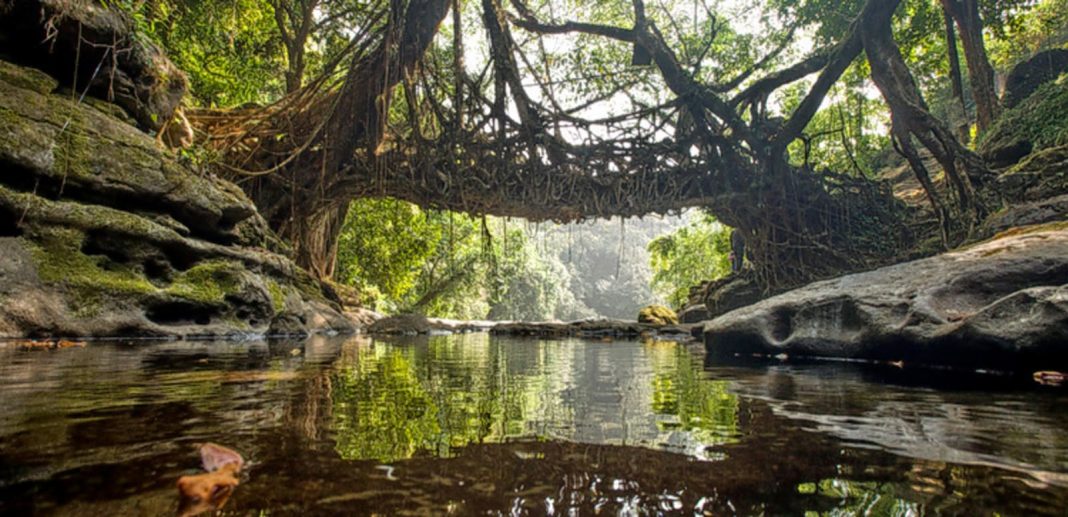

Shillong, July 15: The water levels in the rivers seem lower than during my previous visit three years ago, an international tourist who went to Meghalaya said.
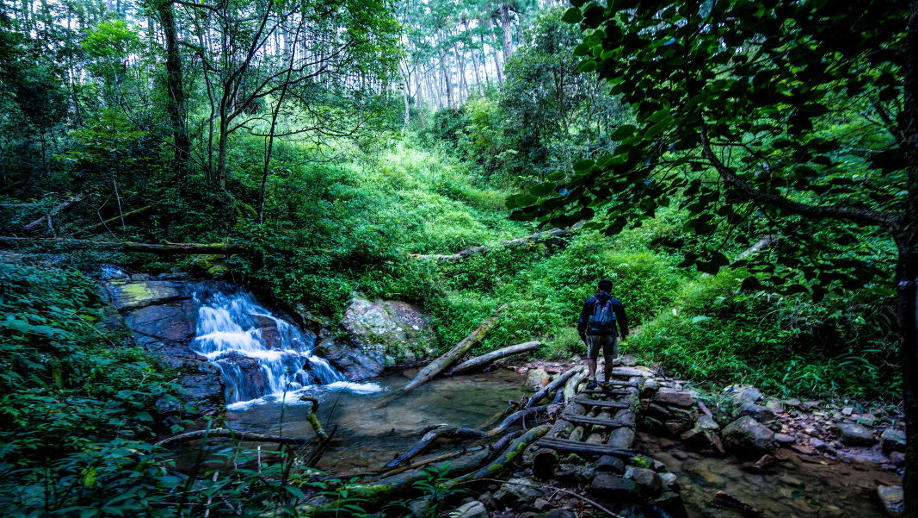
Another one said local guides explained how weather patterns have changed and affected traditional farming practices.
A new study has found that tourists visiting Meghalaya are increasingly adopting environmentally responsible behaviors, driven by growing awareness of climate change and concern for the region’s fragile ecosystems. Conducted by Paramjeet Kumar of North Eastern Hill University, the research offers fresh insights into how climate consciousness influences nature-based tourism in one of India’s most biodiverse states.
The study, published in TURIZAM (Vol. 29, Issue 2), surveyed 300 tourists and conducted 50 in-depth interviews across popular destinations like Cherrapunji, Mawlynnong, and the Living Root Bridges of Nongriat. The findings reveal that over 72% of visitors showed high environmental awareness, and nearly 68% were deeply concerned about climate impacts on Meghalaya’s landscapes.
Majority of people who took part (58.7% or 176 of them) fell into the 25-40 age range, making them the biggest group for nature tourism in the area. People between 18 and 24 years made up 20.7% (62 people) of the audience and those who were 41 to 60 years old were 17.3% (52 people) of the group. Only 3.3% (n=10) of all tourists were elderly, well above 60 years old which is a sign that many attractions in Meghalaya are physically demanding.
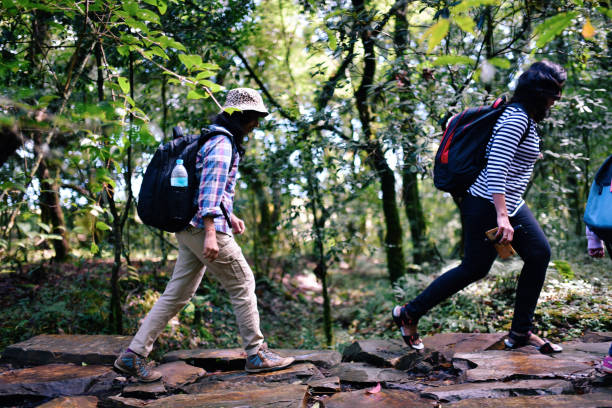
It was found that most tourists were international with 64.3% (n=193), as compared to 35.7% (n=107) of domestic tourists. More and more people from around the world are choosing Meghalaya as a top place for nature tourism which is reflected in the number of tourists.
“Tourists who are more aware of environmental issues tend to behave more responsibly,” said Kumar. “This includes actions like waste segregation, supporting eco-friendly businesses, and choosing sustainable transport.”
According to the data, 85.6% of respondents practiced waste segregation during their visit, while 78.3% actively supported local eco-friendly enterprises. However, only 47% participated in conservation efforts, suggesting that barriers such as limited infrastructure and information access still hinder deeper engagement.
International tourists were found to be more eco-conscious than domestic ones. They scored significantly higher on both environmental awareness and sustainable practices. Regression analysis showed that international status, climate change concern, and age were strong predictors of eco-friendly behavior.
The study also sheds light on the motivations behind responsible tourism. Many travelers, particularly international visitors, cited ethical values, destination preservation, and respect for Indigenous cultural practices as key reasons for acting sustainably. However, tourists also highlighted gaps—such as lack of proper waste bins, limited awareness about green businesses, and the high cost of eco-transport options—as deterrents to greener choices
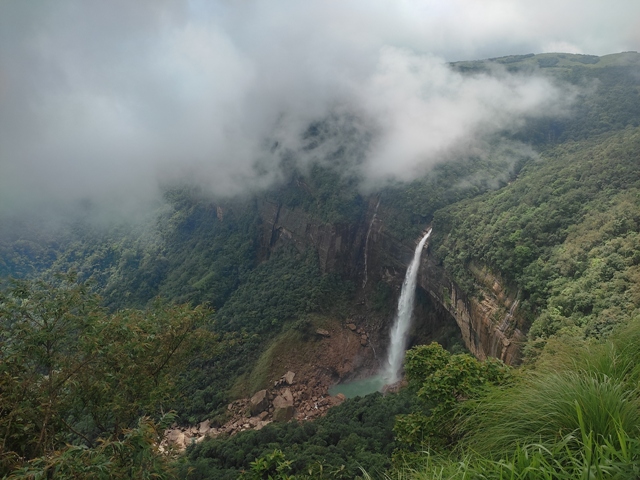
Notably, tourists observed visible climate change impacts in the region. Repeat visitors reported lower water levels in rivers and changes in weather patterns, often reinforced by conversations with local guides and communities. These interactions significantly enhanced tourists’ understanding of climate vulnerability.
The research suggests that Meghalaya’s policymakers need to invest in green infrastructure, enforce eco-certification schemes for tourism businesses, and amplify community-based conservation models. With 78% of tourists showing willingness to support sustainable enterprises, the market is ripe for environmentally responsible tourism to grow.
“This study highlights the need to match tourist intent with on-ground support,” Kumar noted. “If we can bridge the gap between awareness and action, Meghalaya can become a model for sustainable tourism in ecologically sensitive regions.”

The findings are especially relevant as Meghalaya gears up for growing global attention in the post-pandemic tourism landscape. With its unique blend of ecological treasures and Indigenous heritage, the state has the potential to lead India’s efforts in climate-conscious travel—if the right investments and policies follow.
Also Read: Sitharaman wraps up Meghalaya visit with a stop at Ramakrishna Mission School in Sohra
Also Watch
Find latest news from every corner of Northeast India at hubnetwork.in, your online source for breaking news, video coverage.
Also, Follow us on-
Twitter-twitter.com/nemediahub
Youtube channel- www.youtube.com/@NortheastMediaHub2020
Instagram- www.instagram.com/ne_media_hub
Download our app from playstore – Northeast Media Hub