


Roadside survey in West Garo Hills leads to a new addition to Meghalaya’s floral checklist
SHILLONG, July 22: A routine botanical survey in the Garo Hills has led to the discovery of a plant never before recorded in Meghalaya, adding a new member to the state’s rich floral inventory.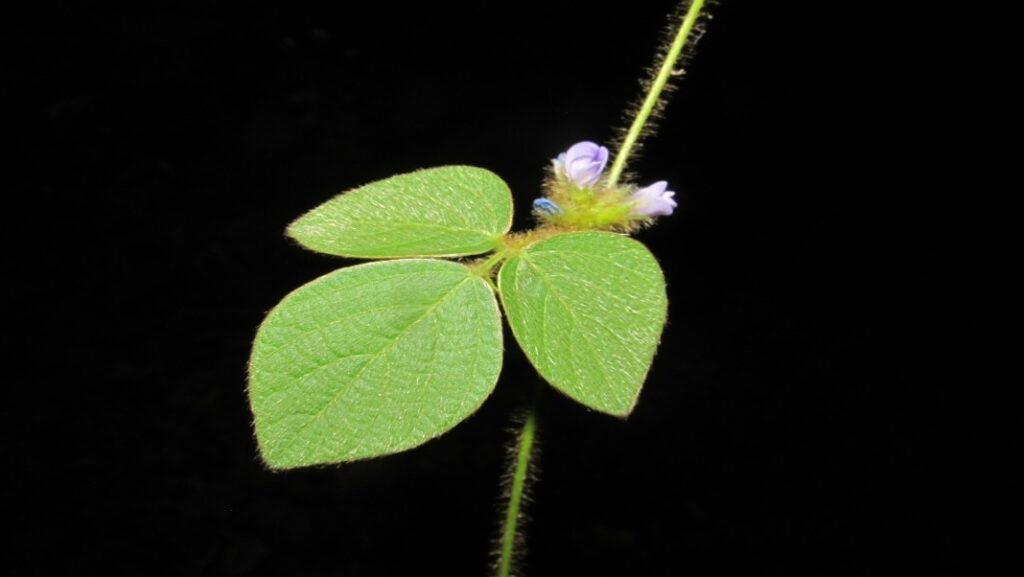
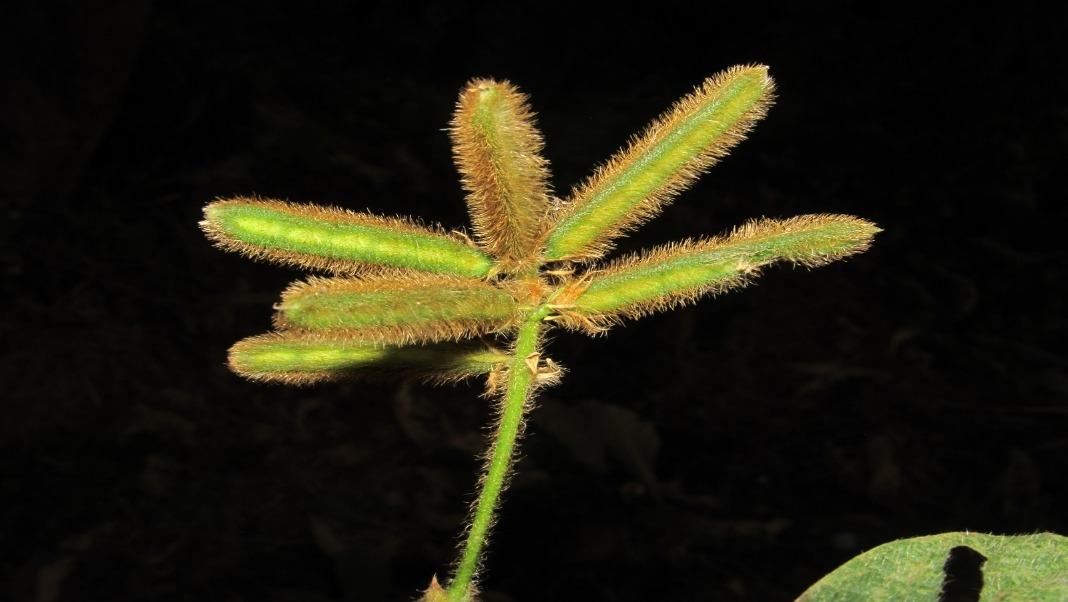
Researchers from the Botanical Survey of India (BSI) have reported the first-ever occurrence of Calopogonium mucunoides in Meghalaya, making it a new generic record for the state’s flora. The finding, published in the latest issue of the journal Nelumbo, emerged from fieldwork carried out under the “Trees of Meghalaya”.
Legumes are plants belonging to the bean and pea family (Fabaceae), one of the world’s largest flowering plant families. They include economically important crops such as peas, beans, lentils and chickpeas, as well as numerous wild species that play a vital role in enriching soil by fixing atmospheric nitrogen.
The creeping legume was found growing along roadsides near Tebronggre village in West Garo Hills during a survey conducted in November and December 2025. After detailed examination under a stereomicroscope and comparison with published taxonomic literature, the researchers confirmed the identity of the species.
Although Calopogonium mucunoides is native to tropical America and has previously been reported from states such as Andhra Pradesh, Karnataka, Kerala, Mizoram, Odisha, Tamil Nadu, Tripura and the Andaman and Nicobar Islands, it had never been documented in Meghalaya despite extensive botanical checklists of the state’s flora.

The discovery highlights how Meghalaya continues to yield botanical surprises despite decades of scientific exploration. Botanists say such records are crucial for updating the state’s biodiversity database and understanding the changing distribution of plant species in the region.
The plant belongs to the Fabaceae, or legume family—one of the world’s largest plant families with more than 22,000 species globally. India alone has over 1,100 species of legumes, making the documentation of new records important for conservation and ecological research.
The species is a trailing or twining herb with distinctive violet flowers and hairy stems and leaves. It flowers and fruits during November and December and was collected at an elevation of 467 metres near Tebronggre village.
The paper was authored by Yalatoor Mahesh, Ramalingam Kottaimuthu, Bladimir Bajur Theodore Tham and Nripemo Odyuo of the Botanical Survey of India, Eastern Regional Centre, Shillong.
Also Read: Meghalaya singer strikes gold on world stage, wins five medals at WCOPA 2026
Also Watch
Find latest news from every corner of Northeast India at hubnetwork.in, your online source for breaking news, video coverage.
Also, Follow us on
Twitter-twitter.com/nemediahub
Youtube channel- www.youtube.com/@NortheastMediaHub2020
Instagram- www.instagram.com/ne_media_hub
Download our app from playstore – Northeast Media Hub