


ROOPAK GOSWAMI
Shillong, Feb 3: Even as Meghalaya continues to record one of the highest cancer burdens in the country, cancer prevention efforts under the national health system remain weak due to delayed implementation, inadequate screening facilities, staff shortages, and low community awareness, according to a new study by researchers from the Indian Institute of Public Health in Shillong.
The study—“Barriers in implementing cancer prevention programme in North Eastern India: A case study from Meghalaya”—has been published in the Indian Journal of Medical Research.
The study, which was conducted during the COVID-19 pandemic, found that although the National Programme for Prevention and Control of Cancer, Diabetes, Cardiovascular Diseases, and Stroke (NPCDCS) was launched nationally in 2010, cancer-related activities in Meghalaya began only in 2018–19, with the programme largely prioritising diabetes and hypertension.
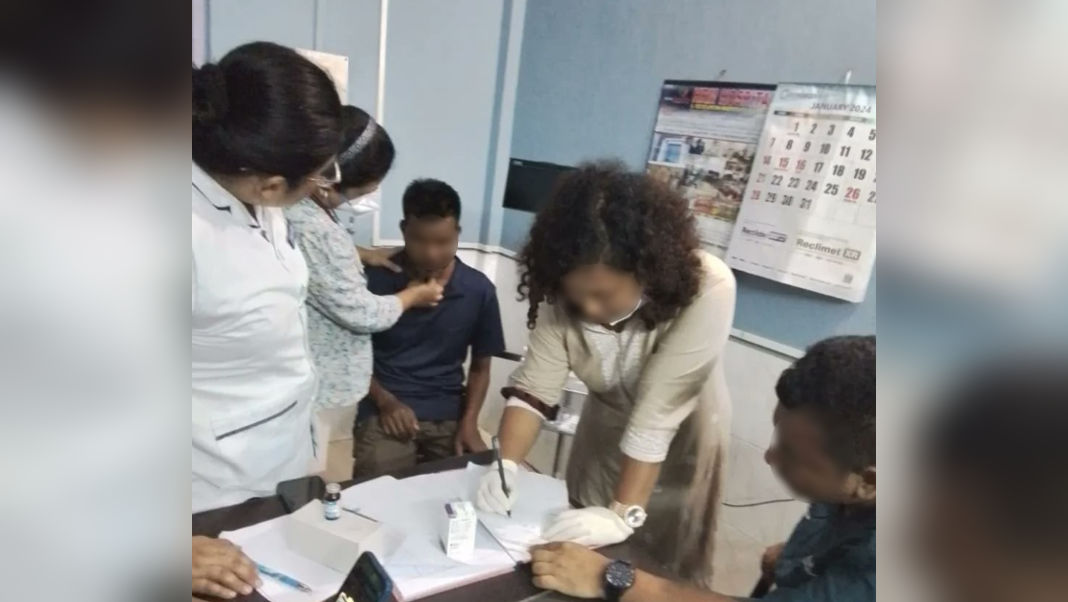
The study points to challenges at Community Health Centres, such as the absence of acetic acid, which is essential for cervical cancer screening. Health workers also noted that a lack of privacy during screening camps discourages women, especially in rural areas, from participating in breast and cervical cancer examinations.
Frequent vacancies in counsellor posts, multitasking by medical officers, and insufficient training also reduced the effectiveness of the cancer prevention component of NPCDCS. Several frontline health workers reported low confidence in conducting screenings, particularly for cervical cancer, due to insufficient hands-on training and delayed capacity-building efforts—some of which were further disrupted by the pandemic.
The study also points out several demand-side barriers to timely diagnosis and treatment such as social stigma, fatalistic beliefs about cancer, and reliance on traditional healers for treatment. In districts such as East Jaintia Hills, patients often have to travel nearly 90 km to Shillong for referral care, resulting in high drop-out rates. Absence of a formal patient-tracking mechanism left health centres unaware of whether referred patients actually reached tertiary hospitals for further care.
Several challenges in cancer prevention efforts were identified, and the authors note that addressing these gaps would be important for Meghalaya as it responds to its growing cancer burden. They suggest measures such as strengthening screening infrastructure, expanding awareness campaigns in local languages, filling vacant health posts, and engaging Village Health Councils to build trust and reduce stigma.
With cancer already a significant cause of illness and death in the state, the study cautions that delays in strengthening prevention and early detection may have long-term implications, particularly for remote and tribal populations.
It may, however, be noted that part of the data was collected during the COVID-19 pandemic, when health systems were functioning sub-optimally as resources were redirected to pandemic-related issues. Since then, some of the concerns raised in the study have begun to be addressed, indicating progress.
Also Watch
Find latest news from every corner of Northeast India at hubnetwork.in, your online source for breaking news, video coverage.
Also, Follow us on
Twitter-twitter.com/nemediahub
Youtube channel- www.youtube.com/@NortheastMediaHub2020
Instagram- www.instagram.com/ne_media_hub
Download our app from playstore – Northeast Media Hub