

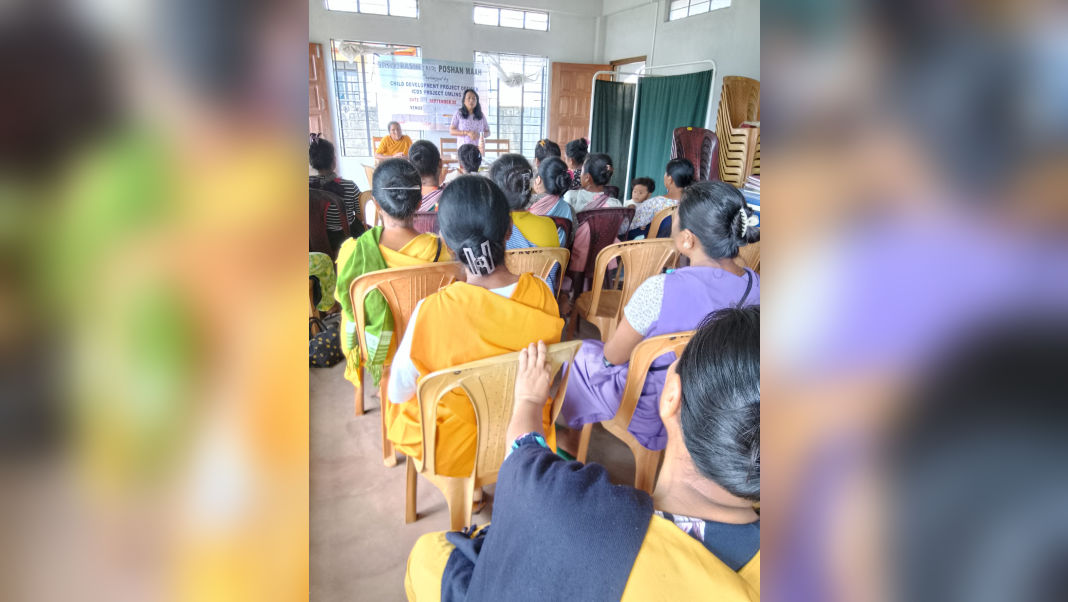

Shillong, August 28: In a district once plagued by severe malnutrition, anaemia, and poor maternal health, a grassroots initiative is showing promising results—and has now been recognized nationally. The Department of Rural Development, through the District Rural Development Agency (DRDA) and Meghalaya State Rural Livelihoods Society (MSRLS), has rolled out a comprehensive intervention targeting severe acute malnutrition (SAM), moderate acute malnutrition (MAM), anaemia, and high-risk pregnancies in Ri Bhoi.
This initiative has been included by NITI Aayog in its “Stories of Change” series under the Aspirational Districts and Blocks Programme. Launched in 2018, the Aspirational Districts Programme (ADP) seeks to transform 112 of India’s most underdeveloped districts through convergence, collaboration, and competition, improving indicators in health, education, agriculture, financial inclusion, and infrastructure. In 2023, the Aspirational Blocks Programme (ABP) expanded this approach to 500 blocks across 329 districts, including Mailaha block of Ri Bhoi.

Ri Bhoi has earned national recognition as the top-performing Aspirational District in the Health and Nutrition sector, a testament to the district’s effective governance and strong community engagement.
Despite the presence of strong SHG networks, households in Ri Bhoi faced persistent health and nutrition challenges. To bridge this gap, MSRLS integrated Food, Nutrition, Health, and WASH (FNHW) services into its livelihood program, creating a community-driven model that leverages SHG platforms.
Key interventions ranged from home-based counselling on maternal and child health, regular screening of children for malnutrition, and promotion of organic kitchen gardens, to menstrual hygiene awareness, WASH demonstrations, and nutrition education in the local Khasi dialect. Convergence with ASHAs, AWWs, and health officials ensured access to immunization, ANC, IFA intake, institutional deliveries, and schemes like JSY and PMMVY.
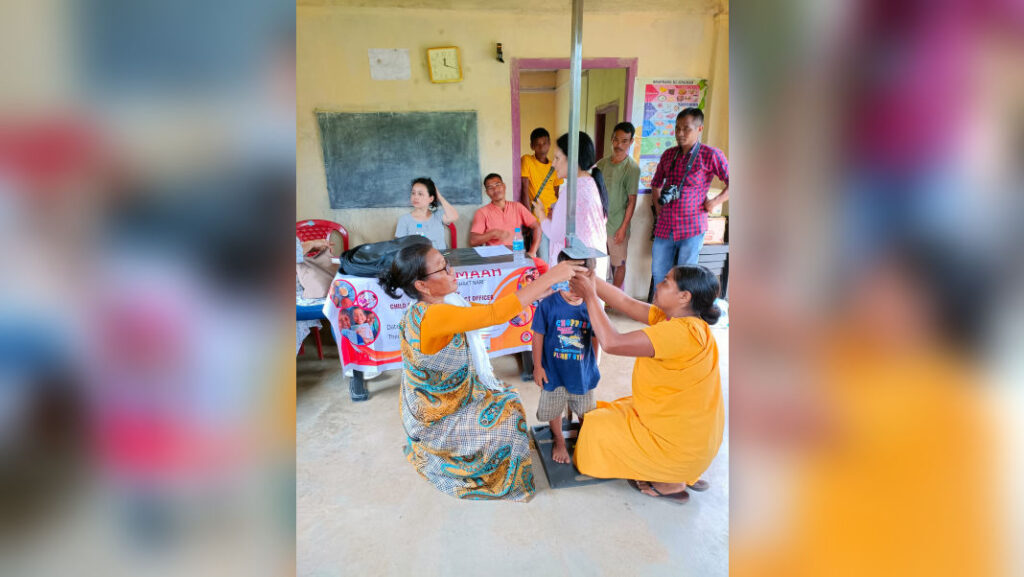
The impact is significant: over 5,000 SHG members have undergone FNHW training, more than 300 children were screened for SAM/MAM, and kitchen garden adoption has risen by 60%. Community grassroots health activists (CGHAs) now operate in 75% of village clusters, making health discussions a routine part of SHG meetings.
Officials report a decline in malnutrition levels, with more pregnant and lactating women accessing institutional care.
“CGHAs, drawn from SHG communities, proved effective in driving behavior change through culturally appropriate communication. Strong convergence with line departments improved last-mile delivery and access to entitlements. The initiative demonstrated that SHGs can effectively serve as platforms for promoting health and nutrition, beyond their financial role, fostering community ownership and resilience” the report said.
Also Read: Meghalaya Govt urges use of Aadhaar QR scanner app to curb fake IDs
Also Watch
Find latest news from every corner of Northeast India at hubnetwork.in, your online source for breaking news, video coverage.
Also, Follow us on-
Twitter-twitter.com/nemediahub
Youtube channel- www.youtube.com/@NortheastMediaHub2020
Instagram- www.instagram.com/ne_media_hub
Download our app from playstore – Northeast Media Hub