

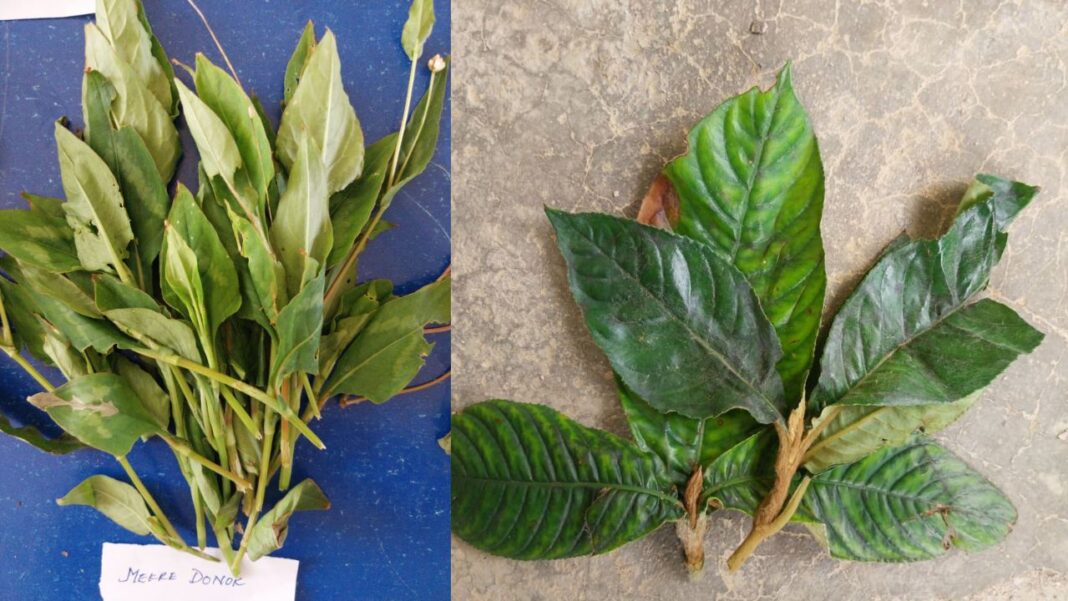

Guwahati, Dec 18: At a time when Meghalaya continues to report high levels of anemia and micronutrient deficiency, a new academic study from the Garo Hills points to an overlooked resource growing freely in forests and fallow fields: indigenous green leafy vegetables long relied upon by Garo communities.
The study, conducted in Darechikfre village in West Garo Hills and Daribokgre village in East Garo Hills, documents 20 neglected and underutilised indigenous green leafy vegetables (GLVs) that are steadily disappearing from everyday diets. Despite their rich nutritional and medicinal properties, many of these plants are now rarely consumed.
The research was carried out by Sunanda Nongthombam as part of her MSc dissertation under the guidance of Dr Natasha R. Marak, Associate Professor, Department of Food Science and Nutrition, College of Community Science, Central Agricultural University (CAU), Tura.
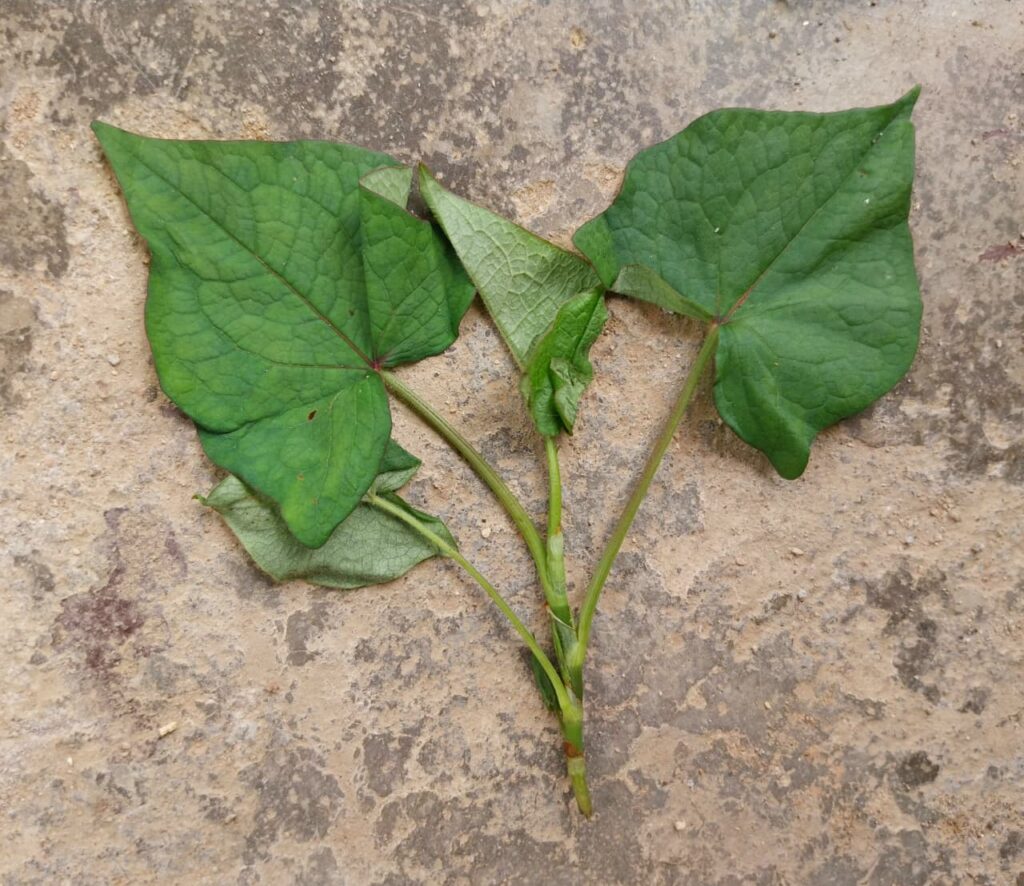
According to the findings, several of these forest-grown greens—once central to daily meals—contain high levels of protein, dietary fibre, iron, calcium, antioxidants and phenolic compounds. Such nutrients are critical for addressing anemia, weakened immunity and chronic undernutrition. In some cases, the mineral content of these species was found to match or exceed that of commonly marketed vegetables.
Beyond nutritional analysis, the study documents Indigenous Traditional Knowledge through focus group discussions, agrobiodiversity walks, four-cell analysis and barrier analysis. Much of this knowledge is held by elderly women and experienced foragers, who described how these plants function as part of a broader, community-based healthcare system.
Plants such as Me·bitchi (Rhynchotechum ellipticum) are traditionally used for wound healing, Donggam (Clerodendrum indicum) for blood pressure regulation and haemorrhoids, while Pasim (Paederia foetida) is used for digestive ailments and anemia.
Among the documented species were Me·gong bijak (Bauhinia acuminata), Me·kridunok (Persicaria chinensis), Mejak (Rumex obtusifolius), Matchaduri (Houttuynia cordata), Samdambong (Fagopyrum esculentum), Samkatchi (Sauropus androgynus), Denggasak (Amaranthus viridis) and Me·kremkren (Begonia roxburghii). Most grow naturally without fertilisers or irrigation, making them climate-resilient and low-cost sources of nutrition.
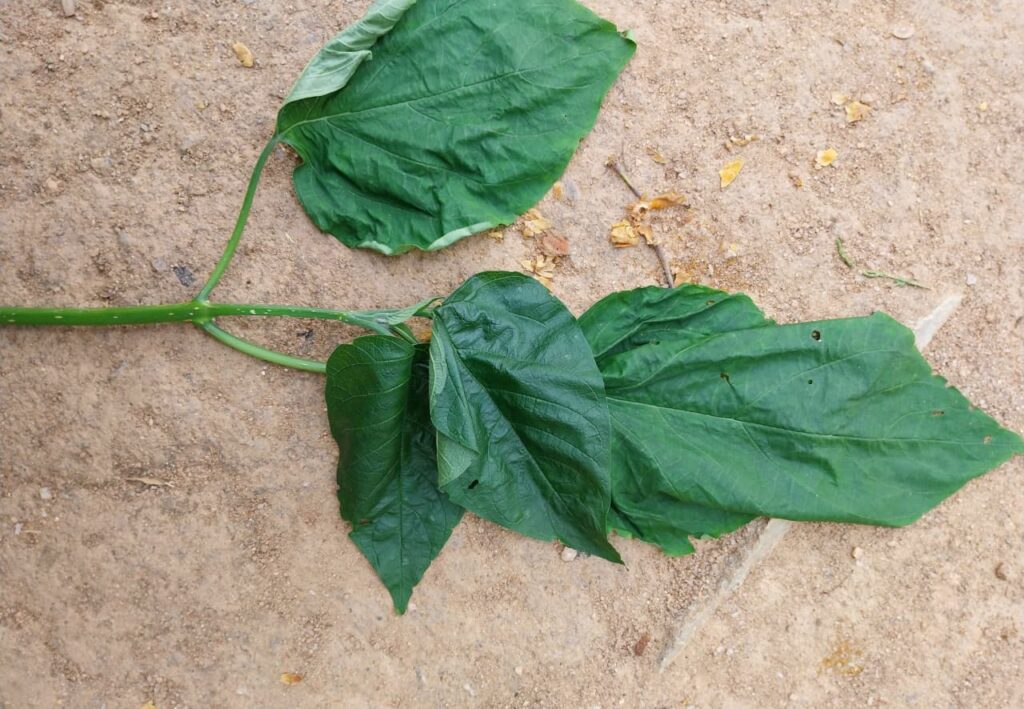
However, the study also notes a steady decline in their consumption. Changing food habits, shortening jhum cycles, reduced forest access and a growing preference for market-bought vegetables have pushed these greens out of regular diets. Younger generations, particularly in semi-urban areas, increasingly view traditional greens as outdated, while limited market availability further restricts access.
Researchers warn that this shift has serious public health implications. Meghalaya continues to report a high prevalence of anemia, especially among women and children—ironically in regions where iron-rich foods are readily available in the wild.
The study calls for integrating indigenous GLVs into nutrition awareness programmes, school mid-day meals, community kitchens and local markets, while also urgently documenting traditional knowledge before it is lost.
As policymakers search for sustainable and affordable nutrition interventions, the findings suggest that some of Meghalaya’s most effective solutions may already lie in its forests—and in the knowledge systems of its elders.
Also Read: Tripura: Five killed, 3 others injured after brick kiln chimney collapsed in Dhalai
Also Watch
Find latest news from every corner of Northeast India at hubnetwork.in, your online source for breaking news, video coverage.
Also, Follow us on-
Twitter-twitter.com/nemediahub
Youtube channel- www.youtube.com/@NortheastMediaHub2020
Instagram- www.instagram.com/ne_media_hub
Download our app from playstore – Northeast Media Hub