

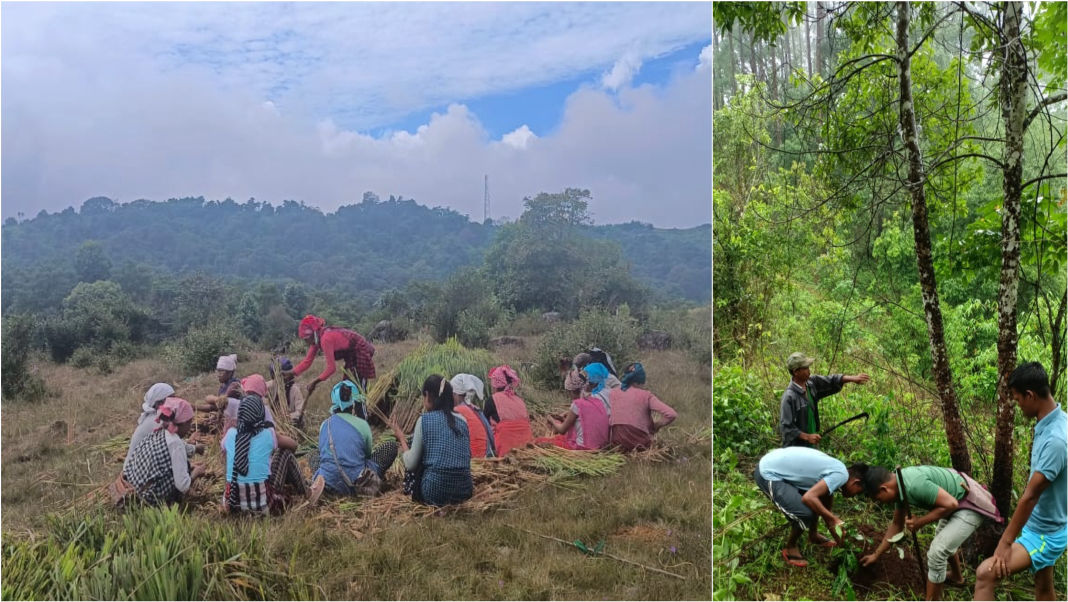

Shillong, May 29: Three villages in Meghalaya were honoured on the occasion of the International Day for Biological Diversity with the 2025 State Biodiversity Awards for their exceptional efforts in conservation and sustainable management of natural resources.
The awards, conferred by the Meghalaya Biodiversity Board, recognised the Biodiversity Management Committees (BMCs) of Kmawanrum, Mawtneng, and Phlangwanbroi for pioneering grassroots initiatives that protect ecosystems, support livelihoods, and empower local communities.
Located in the Mawsynram block, East Khasi Hills, Kmawanrum was awarded under the category Best Conservation and Sustainable Use of Bioresources. The village has taken bold steps to align daily life with ecological values—promoting organic farming, banning plastic use, and encouraging every household to plant at least two trees annually.

The Kmawanrum BMC has also initiated the protection of aquatic life in the Photdisai River, plans to declare it a fish sanctuary, and promotes the conservation of orchids and medicinal plants found in its sacred grove, Rymphet. Waste segregation practices, monthly cleaning drives, and the promotion of eco-friendly products such as bayberry pickles and handmade jewellery have reinforced a circular economy mindset in the village. The BMC, along with the women’s group, is exploring creative ways to utilise natural resources that are not used by crafting ornaments like earrings, necklaces etc from dried nuts and seeds found in the village forest.
Awarded Best Biodiversity Management Committee, Mawtneng in Bhoirymbong block has become a standout example of forest-based conservation. The BMC has protected key watershed areas, restored degraded land through tree plantations, and proposed its 54-hectare community forest ‘Law Adong’ as a Biodiversity Heritage Site.
Notably, Mawtneng’s conservation extends to wildlife. The committee has built artificial birdhouses and created tree-trunk cavities to promote beekeeping, both supporting pollinator populations. It has also planted tapioca to feed forest-dwelling animals and constructed simple shelters to protect wildlife from the elements. The village’s afforestation efforts are backed by strong community participation and aim to restore ecological balance.
In East Khasi Hills, Phlangwanbroi village was recognised for Best Conservation and Sustainable Use of Bioresource, notably for its role in protecting the endangered Western Hoolock Gibbon, India’s only ape species. The local Dorbar and traditional authority of Hima Malai Sohmat have enforced a hunting ban since 2018, leading to a revival of gibbon populations in the region.
The BMC has also submitted a joint proposal, along with neighbouring villages, to establish a Biodiversity Park at Phudshriang, a biodiversity-rich forest slope. The committee is actively promoting eco-tourism under the slogan “From Guns to Cameras,” encouraging local youth to become guides and conservation stewards.
Phlangwanbroi has also hosted exchange visits with Mizoram BMCs, celebrated Ayurveda Day with neighbouring committees, and conducts regular awareness campaigns during International Day for Biological Diversity and World Environment Day.
“These BMCs have shown how tradition, local knowledge, and community participation can drive conservation at the village level,” said a Meghalaya Biodiversity Board official. Their work reflects Meghalaya’s broader commitment to achieving biodiversity goals through inclusive, grassroots action.
Also Read: CoMSO, GSMC demand suspension of DEOs over MGNREGA job card scam in West Garo Hills
Also Watch
Find latest news from every corner of Northeast India at hubnetwork.in, your online source for breaking news, video coverage.
Also, Follow us on-
Twitter-twitter.com/nemediahub
Youtube channel- www.youtube.com/@NortheastMediaHub2020
Instagram- www.instagram.com/ne_media_hub
Download our app from playstore – Northeast Media Hub