


ROOPAK GOSWAMI
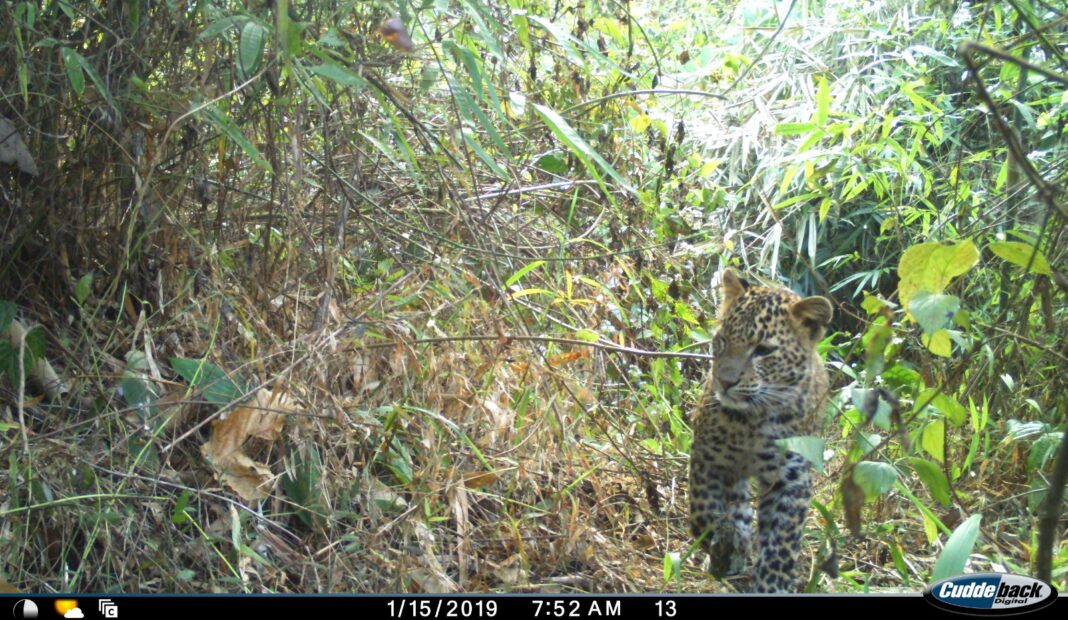
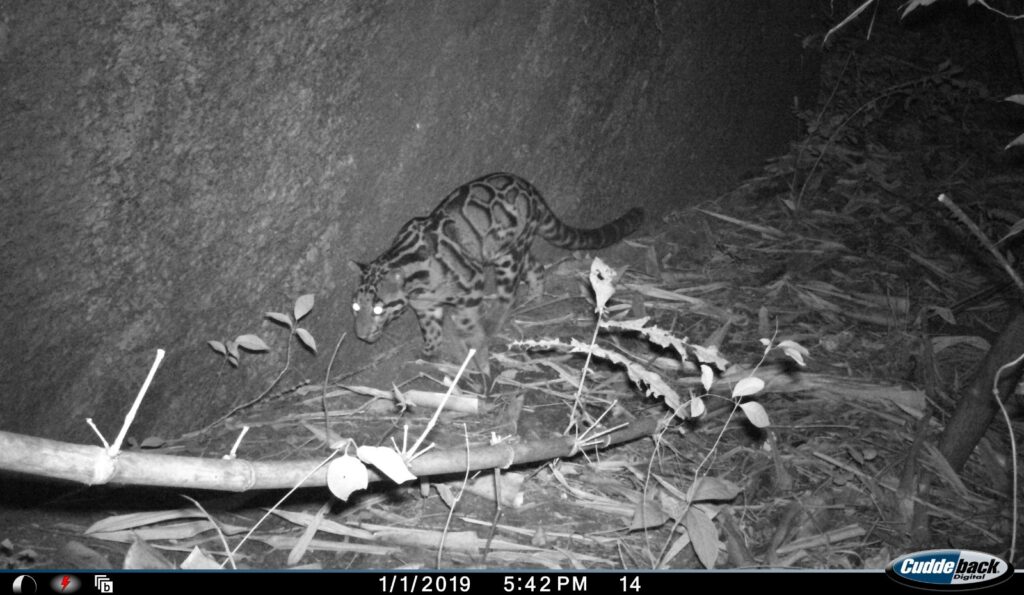
Shillong, May 7: Meghalaya’s community-managed forests are emerging as some of Northeast India’s most important refuges for elusive carnivores, with a new study documenting species such as the clouded leopard, marbled cat and Asiatic golden cat surviving outside formal protected areas.
The study, published in the journal Mammal Research, was carried out by researchers Sanyukta P. Kasbekar, Honnavalli N. Kumara, Santanu Mahato, S. Babu and P.V. Karunakaran across 32 community reserves in Garo, Khasi and Jaintia Hills between 2018 and 2021.
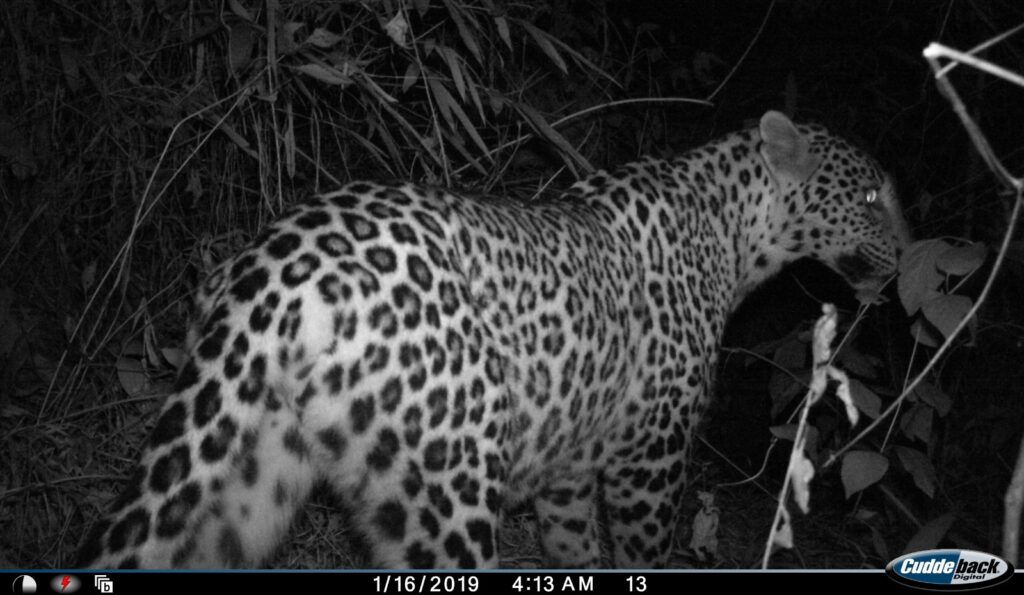
Using more than 6,400 camera-trap nights, the researchers recorded 18 carnivore species from Meghalaya’s community forests, including five species endemic to Northeast India and several animals listed as vulnerable under the IUCN Red List.
One of the most notable findings was the photographic record of the stripe-backed weasel in Garo Hills, which the study describes as the first confirmed camera-trap evidence of the species from Meghalaya.
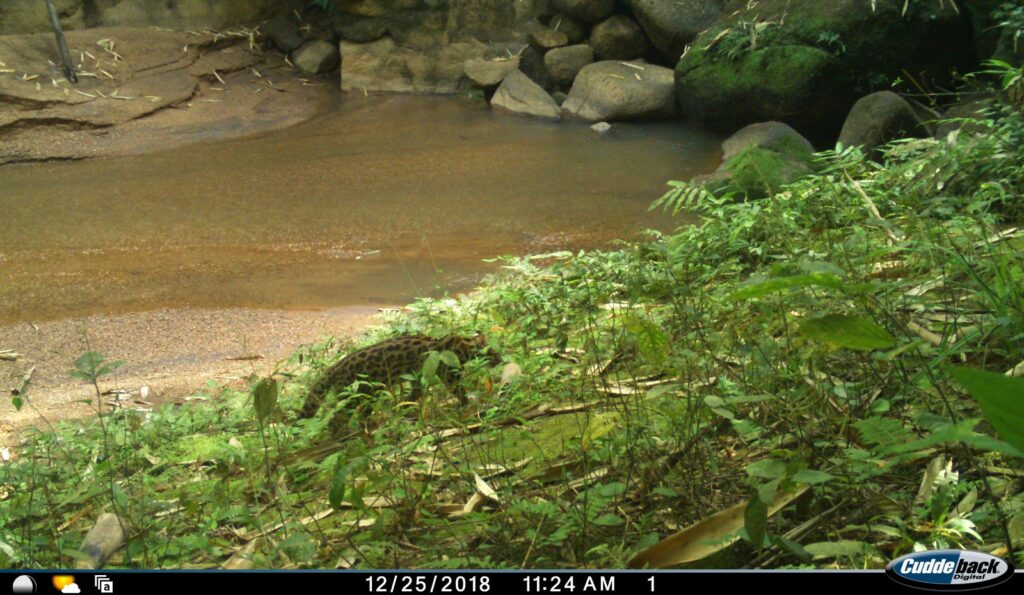
The researchers found that some of the richest carnivore diversity occurred in small reserves bordering Nokrek National Park. Daribokgre Community Reserve, spread across just 1.74 sq km, recorded 10 carnivore species — a remarkably high concentration for such a small forest patch.
Yellow-throated martens, large Indian civets and masked palm civets were among the most frequently recorded species. The study also detected clouded leopards from two community reserves, underlining the conservation importance of forests managed by local communities.
The findings are particularly significant for Meghalaya because nearly 90 per cent of the state’s forests are community-owned, while the official protected area network covers only about five per cent of the land area.
According to the study, forest structure played a major role in determining where carnivores survived. Species such as leopard cats, palm civets and yellow-throated martens were strongly associated with dense canopy cover and taller forests, while human activity reduced occupancy in many sites.
Camera traps also revealed behavioural shifts linked to human disturbance.
Crab-eating mongooses, which are generally active during the day, became increasingly nocturnal in areas with higher human movement. Leopard cats and masked palm civets also altered their activity timings in disturbed forests, suggesting wildlife is adapting its behaviour to avoid people.
The authors say the findings show that conserving carnivores in Meghalaya’s community reserves will depend heavily on maintaining dense forest canopies, reducing human disturbance and improving connectivity between fragmented forests.

The study recommends strengthening weaker community reserves through assisted forest regeneration, regulating hunting and limiting disturbance in sensitive habitats. It also stresses the importance of linking community reserves with larger protected areas so species can move safely across landscapes.
The researchers argue that village councils and clan-based institutions will play a central role in the future of wildlife conservation in Meghalaya. Empowering local communities with ecological knowledge and conservation incentives, they note, could help balance livelihoods with biodiversity protection in one of India’s richest yet most human-dominated forested landscapes.
Also Read: ‘Moment of pride, not politicisation’: Meghalaya CM on NPP fielding KAS president for LS bypoll
Also Watch
Find latest news from every corner of Northeast India at hubnetwork.in, your online source for breaking news, video coverage.
Also, Follow us on
Twitter-twitter.com/nemediahub
Youtube channel- www.youtube.com/@NortheastMediaHub2020
Instagram- www.instagram.com/ne_media_hub
Download our app from playstore – Northeast Media Hub