


Guwahati, Dec 23: A disease usually linked to floods and coastal regions has quietly surfaced in the Khasi Hills.
A new medical study has confirmed human cases of leptospirosis in Meghalaya, challenging the belief that the State’s cool, hilly terrain is largely immune to the infection.
The findings, published in the Indian Journal of Medical Research, document 10 confirmed cases treated in Shillong during 2023, marking the first clinical evidence of leptospirosis in a non-endemic, high-altitude region like Meghalaya. The study was conducted by researchers from the Department of Public Health, Indian Institute of Public Health Shillong.
“To our knowledge, this study for the first time confirms the biological presence of Leptospira spp. in Meghalaya. Human cases may have gone unreported due to a low index of suspicion among clinicians in hilly regions, which are historically considered non-conducive to leptospiral transmission,” the authors said.
They noted that while leptospirosis is classically associated with flooding and low-lying coastal environments, mountainous and non-coastal regions have received relatively little attention.
Leptospirosis is a zoonotic illness caused by Leptospira bacteria and spreads from animals to humans through contact with infected urine, contaminated soil, or water.
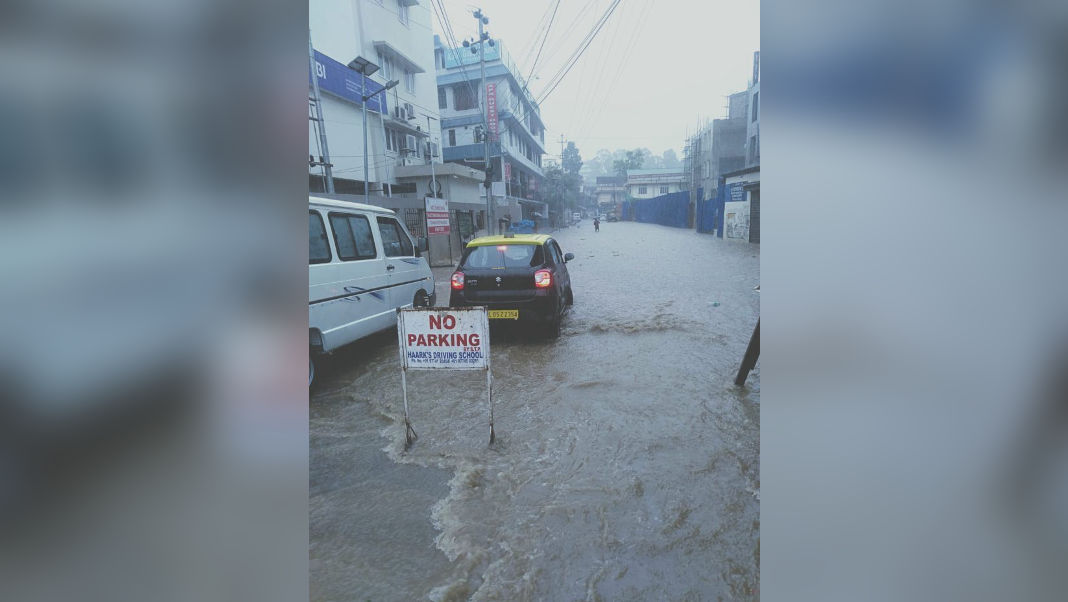
Meghalaya, despite receiving some of the highest rainfall in the world, is officially considered a low flood-risk State, making the findings particularly significant.
Doctors say local factors such as persistently wet soil, rodent presence, exposure to natural water bodies, and poor urban drainage may be allowing the disease to spread silently in the hills.
The patients — mostly young men with an average age of 27 — came from varied backgrounds, including daily wage workers, office employees and a farmer.
While some had mild symptoms such as fever and vomiting, four developed serious complications, including acute kidney failure, severe jaundice (Weil’s syndrome), and respiratory distress requiring ventilator support.
All patients survived after intensive treatment at a major tertiary-care centre in Shillong.
“When diagnosed early, leptospirosis can be managed with oral antibiotics in an uncomplicated and economical manner. This study serves as an alert to its presence in Meghalaya and a guide for clinicians working in the region,” the authors emphasised.
One of the main challenges with leptospirosis is that it mimics common monsoon illnesses such as dengue, malaria and viral fever. Classic signs, such as redness of the eyes, were seen in only one patient, making early diagnosis difficult.
Doctors involved in the study warn that in hill states like Meghalaya, leptospirosis is rarely suspected, leading to delays that can turn a treatable infection into a life-threatening condition. Early treatment with antibiotics such as doxycycline costs less than ₹50.
Once hospitalised, patients spent between ₹20,000 and ₹1.4 lakh, mostly from their own pockets. Families referred from rural areas also bore travel and stay expenses in Shillong.
The study points to several possible triggers, including rodent infestation in homes, swimming or working in natural water bodies, prolonged monsoon-related soil moisture, and rapid urbanisation without adequate drainage.
With changing rainfall patterns linked to climate change, doctors warn that leptospirosis could emerge as a hill-state disease, not just a coastal one.
Researchers associated with the study have called for greater clinical awareness among doctors, affordable local diagnostic facilities, and public awareness during and after the monsoon.
Also Watch
Find latest news from every corner of Northeast India at hubnetwork.in, your online source for breaking news, video coverage.
Also, Follow us on-
Twitter-twitter.com/nemediahub
Youtube channel- www.youtube.com/@NortheastMediaHub2020
Instagram- www.instagram.com/ne_media_hub
Download our app from playstore – Northeast Media Hub