



Guwahati, July 22: A new scientific study has highlighted the potent health benefits of honey and propolis derived from Tetragonula iridipennis, a stingless bee species found in Nagaland, offering promising opportunities for both healthcare and rural livelihoods in Northeast India.
Published in the International Journal of Entomology Research, the study by Pier Kepevitso and Dr.Rashmimala Kakoti from the University of Science and Technology Meghalaya reveals that both the honey and propolis of this native bee are rich in antioxidants—natural compounds known to combat oxidative stress and support cellular health. Researchers conducted extensive biochemical analyses on honey samples collected in both summer and winter, alongside propolis obtained from the bees’ hive structures in Nagaland.
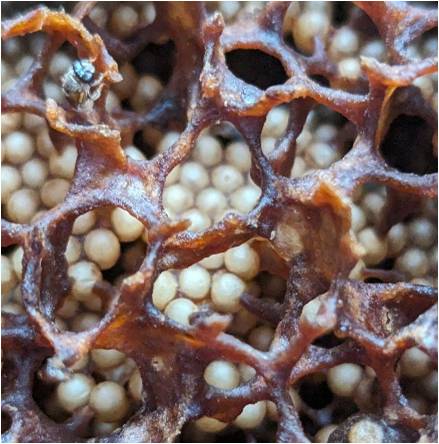
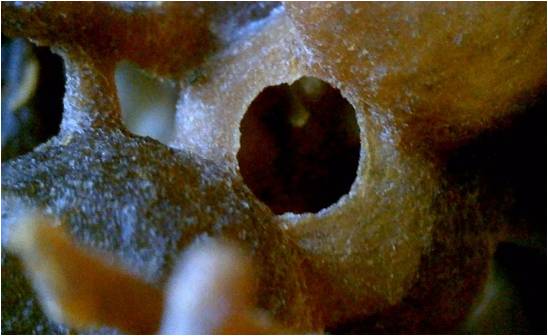
The stingless bee species is native to India and Sri Lanka. Propolis are the resinous exudate of plants that is collected by bees, mixed with beewax and their salivary secretions and the product is used in building their hive.
The results were striking: winter honey exhibited the highest phenolic content (128.97 mg GAE/kg) and the strongest antioxidant activity, outperforming even standard ascorbic acid (vitamin C) in certain assays. Meanwhile, propolis showed the highest flavonoid content (75.83 mgQE/kg) and demonstrated significant radical scavenging and antimicrobial potential.
“These antioxidant levels are not only scientifically significant but also underline the therapeutic and commercial value of stingless bee products from Nagaland,” the authors noted.
Stingless bees, traditionally kept by Naga communities for generations, produce smaller quantities of honey compared to the common Apis mellifera, but with a higher concentration of bioactive compounds. Despite this, meliponiculture (stingless bee-keeping) has remained largely underdeveloped in the region due to a lack of scientific validation—until now. The study found that the antioxidant activity varied with the season, correlating with changes in floral sources and climate. This variation underscores the importance of sustainable harvesting practices and region-specific knowledge in beekeeping.

Experts say the findings could serve as a foundation for promoting stingless bee products as functional foods, nutraceuticals, and even topical therapeutic agents for wound healing and infection prevention. “It’s time we recognise the high medicinal value of indigenous bee products and integrate meliponiculture into rural development and health strategies,” Dr. Kakoti said, adding it will help the local beekeepers to commercialise their products and get market value.
With rising global demand for antioxidant-rich natural products, the study opens doors for Nagaland’s stingless bee honey and propolis to enter niche health and wellness markets—while also empowering local communities through scientific beekeeping and value addition.
Also Read: Centre steps up support for Assam’s flood-hit and drought-struck farmers
Also Watch
Find latest news from every corner of Northeast India at hubnetwork.in, your online source for breaking news, video coverage.
Also, Follow us on-
Twitter-twitter.com/nemediahub
Youtube channel- www.youtube.com/@NortheastMediaHub2020
Instagram- www.instagram.com/ne_media_hub
Download our app from playstore – Northeast Media Hub