

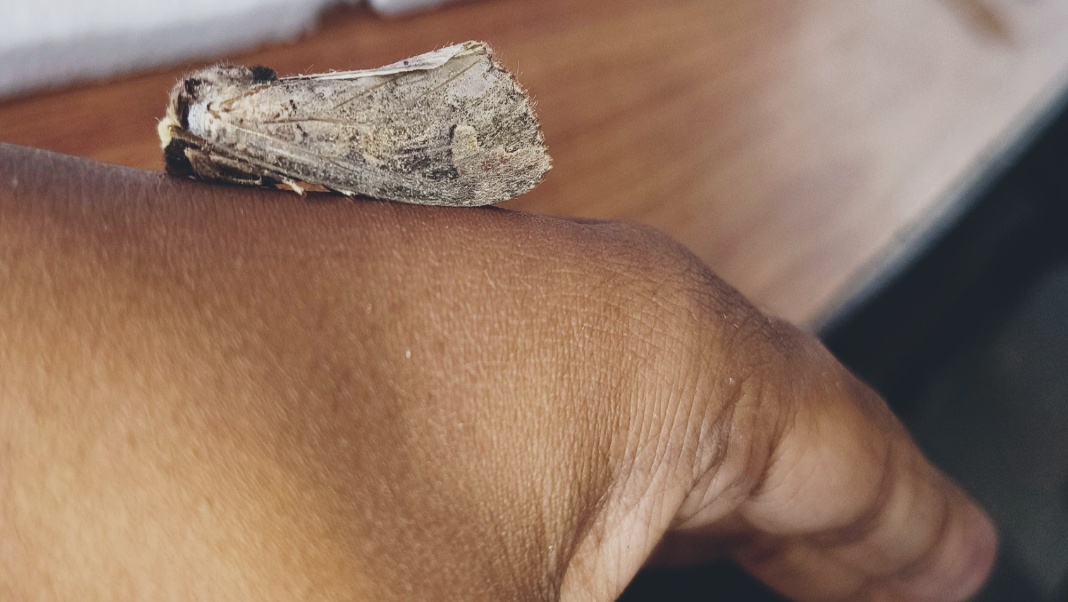

Study from Ri-Bhoi highlights state’s hidden insect diversity and importance of forest conservation
ROOPAK GOSWAMI
SHILLONG, July 9: Scientists have recorded a twig-mimicking moth in Meghalaya for the first time, a discovery that sheds new light on the state’s rich but largely unexplored insect diversity and underscores the need for greater biodiversity research.
The study, published in the Asian Journal of Conservation Biology, documents the first Meghalaya record of Phalera grotei, a moth renowned for its remarkable ability to camouflage itself as a broken twig to evade predators. The discovery was made in Ri-Bhoi district by researchers Golphina Ahmed, Jalil Ahmad, Prabal Sarkar, Anindita Bhattacharya and Salma Mazid.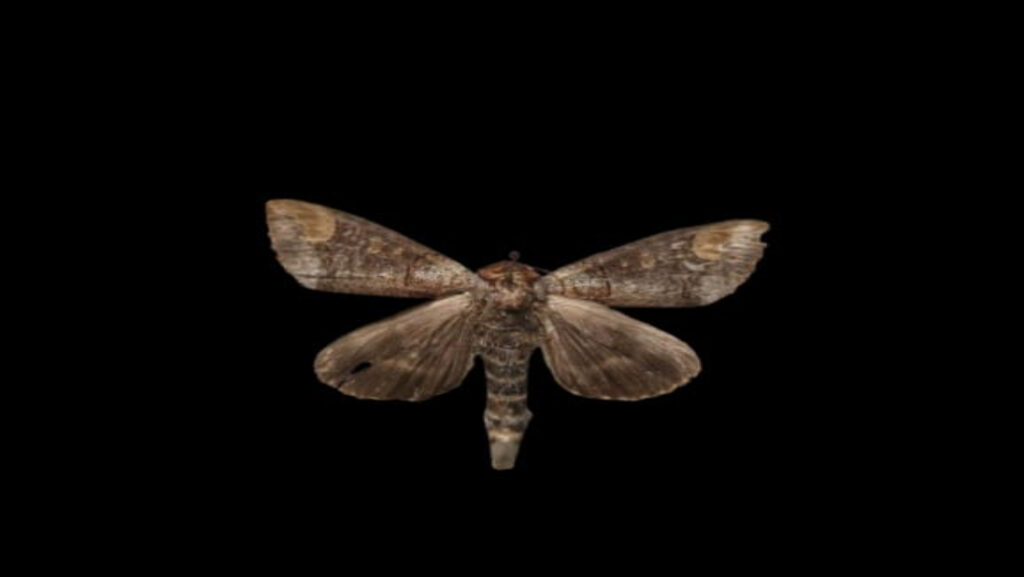
The specimen was collected from the 18th Mile area of Umling village, on the fringes of Nongkhyllem Wildlife Sanctuary, an area known for its rich tropical forests and diverse wildlife. Although the species has previously been reported from Assam, Nagaland, Arunachal Pradesh and Sikkim, this is its first confirmed record from Meghalaya, extending its known distribution within the eastern Himalayan biodiversity hotspot.

Lead author Golphina Ahmed said the discovery goes beyond simply adding another species to Meghalaya’s checklist.
“Twig moths play an important role in maintaining ecological balance and are valuable indicators of healthy forest ecosystems. The discovery of Phalera grotei from Meghalaya highlights the state’s remarkable yet underexplored biodiversity and emphasizes the need for continued research and conservation of its rich insect fauna,” she said.
The researchers also described the finding as an important scientific milestone.
“This new record fills a critical biogeographical gap and emphasizes the need for comprehensive Lepidoptera surveys in the region,” the authors noted in the study.
Co-author Anindita Bhattacharya said the finding demonstrates why continued exploration of Northeast India’s forests is essential.
“This discovery highlights the immense scientific value of systematic biodiversity documentation in Northeast India. Continued field surveys, supported by modern taxonomic approaches, are essential for revealing hidden species diversity and strengthening evidence-based conservation efforts,” she said.

The study also points out that Phalera grotei could serve as a bioindicator of forest health, as moths are highly sensitive to habitat fragmentation, pollution and changes in local climate. Their presence can therefore provide valuable insights into the condition of forest ecosystems.
Scientists say the discovery also highlights a major knowledge gap in Meghalaya’s insect diversity.
While previous surveys have documented around 514 butterfly species across the state, moths remain poorly studied, with only 52 species recorded from the University of Science and Technology Meghalaya (USTM) campus, suggesting many more species remain to be discovered.

Also read: Four Meghalaya districts move into higher PGI-D band; East Khasi Hills tops state
Also Watch
Find latest news from every corner of Northeast India at hubnetwork.in, your online source for breaking news, video coverage.
Also, Follow us on
Twitter-twitter.com/nemediahub
Youtube channel- www.youtube.com/@NortheastMediaHub2020
Instagram- www.instagram.com/ne_media_hub
Download our app from playstore – Northeast Media Hub