

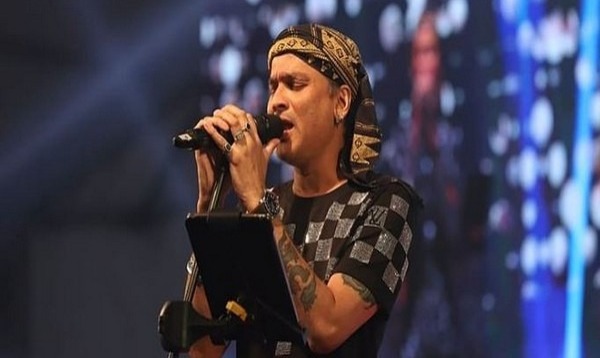

“Bihu bihu lagise…” the familiar feeling of Rongali Bihu has arrived once again across Assam, with its rhythms, colours, and celebrations returning to life.
And yet, alongside that familiar energy, there is a quiet, haunting silence in many places, something that people are sensing even as the festival unfolds.
For the first time in years, Zubeen Garg is not a part of this season, and that absence is being felt not loudly, but deeply.
This Rongali Bihu continues in its full cultural strength, but for many, it carries a sense of something missing that is difficult to put into words.
Urmi Bhattacharjee
Guwahati, April 14: This year’s Rongali Bihu is unfolding with a visible emotional shift, as Assam steps into its most vibrant festival without Zubeen Garg, a presence that over the years had become closely associated with the sound and spirit of Bihu for many across the state. What is usually the most joyful time of the year is now being observed with a blend of celebration and remembrance, with several organisers consciously choosing to tone down festivities.
“I would rather live like a king in my own soil and rule people’s hearts,” he had once said, and that line now carries a different weight as Assam gathers for a festival he helped shape in lived experience, even as its cultural roots run far deeper.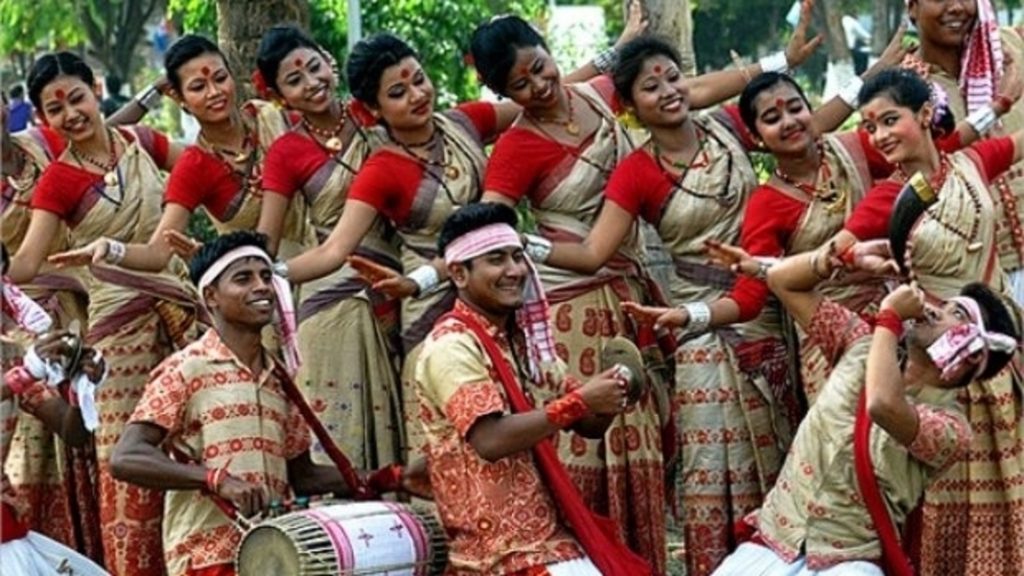
Rongali Bihu has always been a festival of movement and music, where celebrations travel across fields, towns, and neighbourhood stages, bringing people together in a rhythm that feels instinctive.
As Zubeen Garg himself had once said, “Bihu buli kothatu festival nohoi, eitu manuhor monor kotha,” a reminder that Bihu was never just an event, but something that lived within people.
For years, he stood at the centre of that experience for many, not just as a performer but as someone whose voice became part of how Bihu was heard and remembered.
He would often describe it simply, “Moi bihut gaan gau, kintu asal kothatu manuhor logot thake,” placing the emphasis not on performance, but on connection.
This year, that familiar centre feels shifted, and the change is visible across the state in ways both subtle and deliberate.
Several Bihu committees have chosen to scale down or cancel musical programmes as a mark of respect, with the Sepon Central Rongali Bihu Committee among those opting for a more symbolic observance instead of stage performances.
The shift is also reflected in how people are speaking about the festival, in conversations that carry a shared sense of absence.
Many say the stages feel emptier this time, others quietly ask who they will go to watch this Bihu, and some express it more directly, saying they do not know who they will dance with this year.
There are repeated sentiments that Bihu feels incomplete, not in its tradition, but in how it is being experienced.

Zubeen Garg’s connection to Bihu extended well beyond performance, finding place in the rhythm of the festival itself.
Songs like “Nahor,” “Biya Naam,” “Bihu Bihu Lagise,” “Rongali Bihu Aahise,” “Xora Pate Pate,” and “O Mur Apunar Dex” became part of how people experienced the season, carrying memories that returned year after year.
His concerts during Bihu were moments people waited for and travelled to be part of, experiences that stayed with them long after the performances ended.
That continuity is what makes his absence feel larger than the loss of an artist, touching something that people had come to associate closely with the festival.
There is also a deeper emotional layer to how this moment is being felt.

Zubeen Garg often spoke about living for people and valuing connection over distance, and those who encountered him recall a generosity that felt instinctive rather than measured.
That connection is now visible in the way people are responding, across age groups, professions, and places, with a sense of shared loss that feels personal rather than distant.
At the same time, questions surrounding his death continue to remain in public memory, not always voiced loudly but present in the way people revisit the sequence of events and try to understand more than what is formally recorded.
Alongside that, what stands out is how the feeling of the festival itself has shifted.
In earlier years, Rongali Bihu carried a sense of anticipation centred around performances and moments yet to unfold, while this year it carries a stronger sense of memory.
View this post on Instagram
Old performances are being replayed, songs are being revisited, and moments are being relived, as the festivalt moves forward while holding on to what is no longer there.
Across Assam, the mood reflects something that is difficult to define but easy to recognise.
Bihu continues in its full cultural strength, yet the emotional landscape around it feels altered, shaped by the absence of a voice that many had come to associate with the season itself.

As one of his own reflections now echoes differently, “Bihuto thakibo… kintu ei mur phool aru ahibone,” a line that lingers in the middle of celebration, holding together both continuity and loss.
Zubeen Garg chose to remain in his own soil and connect with people, and this Rongali Bihu reflects how strongly that connection continues to exist, influencing how the festival is felt, heard, and remembered, even in his absence.
Also Read: Nagaland University-led study decodes anti-cancer promise of Konyak herbal formulation
Also Watch
Find latest news from every corner of Northeast India at hubnetwork.in, your online source for breaking news, video coverage.
Also, Follow us on
Twitter-twitter.com/nemediahub
Youtube channel- www.youtube.com/@NortheastMediaHub2020
Instagram- www.instagram.com/ne_media_hub
Download our app from playstore – Northeast Media Hub