



Guwahati, June 19: In a major breakthrough for plant-based medicine, researchers from Assam have uncovered potent neuroprotective and anticancer properties in Curcuma caesia Roxb., commonly known as black turmeric—a medicinal rhizome native to Northeast India and long revered in traditional healing practices.
A collaborative study led by Prof. (Dr.) Hemanta Kumar Sharma of Dibrugarh University and Dr. Sudarshana Borah Khanikor of The Assam Royal Global University, along with collaborators from the University of Science and Technology(USTM) Meghalaya, marks the first scientific investigation into black turmeric’s therapeutic potential against neurological disorders like dementia and ovarian cancer.

Published across Scopus-indexed journals—3 Biotech (Springer Nature, Vol. 11, Issue 5, 2021), CNS & Neurological Drug Targets (Bentham Science, Vol. 21, Issue 14, 2022), and the Journal of Neonatal Surgery (Vol. 14, Issue 8s, 2025)—the research highlights the rhizome’s bioactive compounds, including Androstenediol, Zederone, and a novel Cyclohexenyl Heptanone derivative, as key agents in combating disease pathways.
“Our findings suggest that these compounds not only target amyloid beta plaques—a hallmark of Alzheimer’s—but also induce apoptosis in human ovarian cancer cells,” said Dr. Borah Khanikor. “This validates traditional knowledge through rigorous science and offers a culturally relevant alternative to expensive, often inaccessible therapies.”
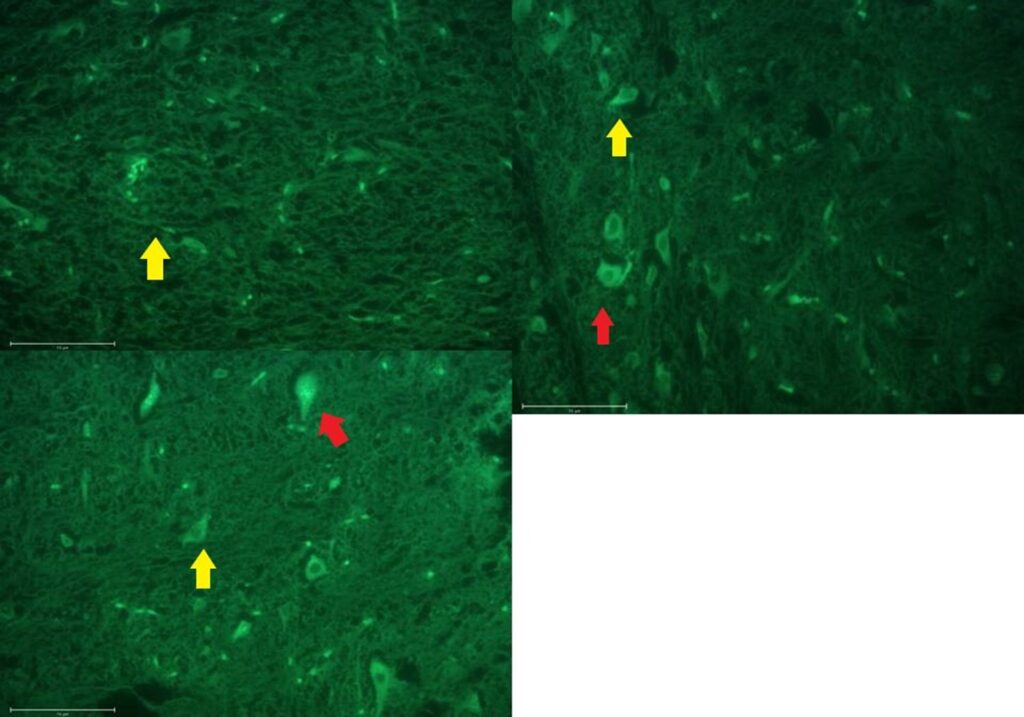
Molecular docking experiments revealed that Androstenediol binds strongly to an ovarian cancer-related protein (PDB ID: 2NS2), with a binding score of –7.1 kcal/mol. Cytotoxicity tests showed the methanol extract of the rhizome reduced cancer cell viability in a dose-dependent manner, with an IC50 value of 610 µg/ml. Flow cytometry confirmed the extract induced programmed cell death, not necrosis, with 23.09% early apoptosis and 3.5% late apoptosis.
In terms of neurological disorders, the study supports black turmeric’s efficacy in modulating gut-brain pathways, reducing oxidative stress, and inhibiting acetylcholinesterase—an enzyme linked to memory loss in Alzheimer’s and other dementias.
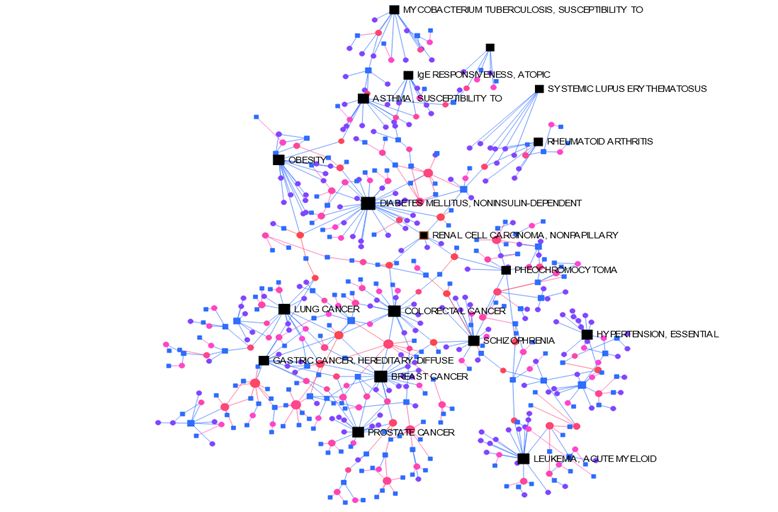
Collected from Assam’s Sivasagar district and Pasighat in Arunachal Pradesh, the rhizomes were authenticated by the Botanical Survey of India, Shillong. The research team has secured a patent for their innovation, laying the groundwork for future pre-clinical and clinical studies.
Often diagnosed at an advanced stage, ovarian cancer is among the deadliest cancers affecting women globally. In India, around 36,000 new cases are reported each year. Many women lack access to advanced treatments due to high costs and limited availability. Meanwhile, dementia—linked to Alzheimer’s, Parkinson’s, and cerebrovascular disease—remains a growing global health challenge with no definitive cure.

“In resource-constrained settings, native medicinal plants like black turmeric could serve as low-cost, effective alternatives for therapeutic development,” Dr. Borah Khanikor emphasized.
With its strong antioxidant, anti-inflammatory, and neuroprotective credentials, black turmeric is emerging from obscurity to become a serious candidate for modern drug development—a bridge between traditional wisdom and scientific validation.
Also Read: Who is Sanjay Verma? Raja Raghuvanshi murder mystery deepens with new name, missing phones & raids
Also Watch
Find latest news from every corner of Northeast India at hubnetwork.in, your online source for breaking news, video coverage.
Also, Follow us on-
Twitter-twitter.com/nemediahub
Youtube channel- www.youtube.com/@NortheastMediaHub2020
Instagram- www.instagram.com/ne_media_hub
Download our app from playstore – Northeast Media Hub