


Scientists say the world’s wettest region is emerging as a crucial hotspot for amphibian ecology and conservation research
ROOPAK GOSWAMI
SHILLONG, May 24:
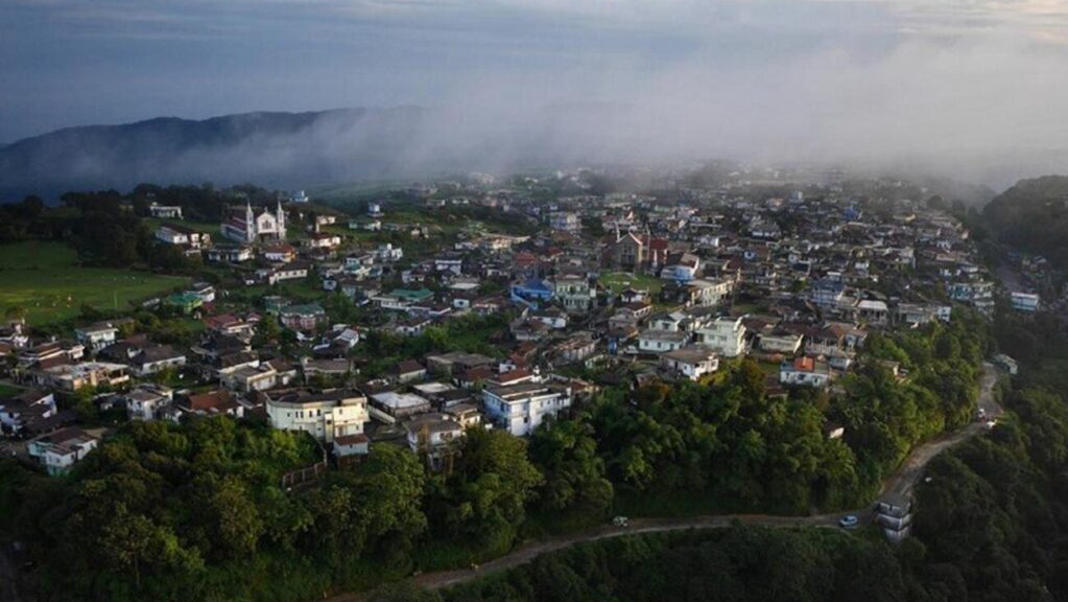
Known globally as one of the wettest places on Earth, Mawsynram in Meghalaya is now drawing scientific attention for something beyond its record-breaking rainfall — its rich and fragile biodiversity.
Nestled along the southern slopes of the Khasi Hills, Mawsynram receives nearly 11,871 mm of annual rainfall, creating a unique ecological landscape of dense forests, caves, streams, limestone formations, and seasonal rain-fed pools that support a remarkable range of wildlife.
Researchers say the region has become an important natural laboratory for studying amphibians, reptiles, cave fauna, and montane ecosystems. The constantly moist environment sustains diverse species, including hoolock gibbons, clouded leopards, endemic frogs, orchids, ferns, and numerous invertebrates.
Among the scientists leading research in the area are Dr. P. W. Shangpliang and Prof. R. N. K. Hooroo, whose studies have focused extensively on amphibian ecology and conservation in Meghalaya, particularly in the Mawsynram landscape.
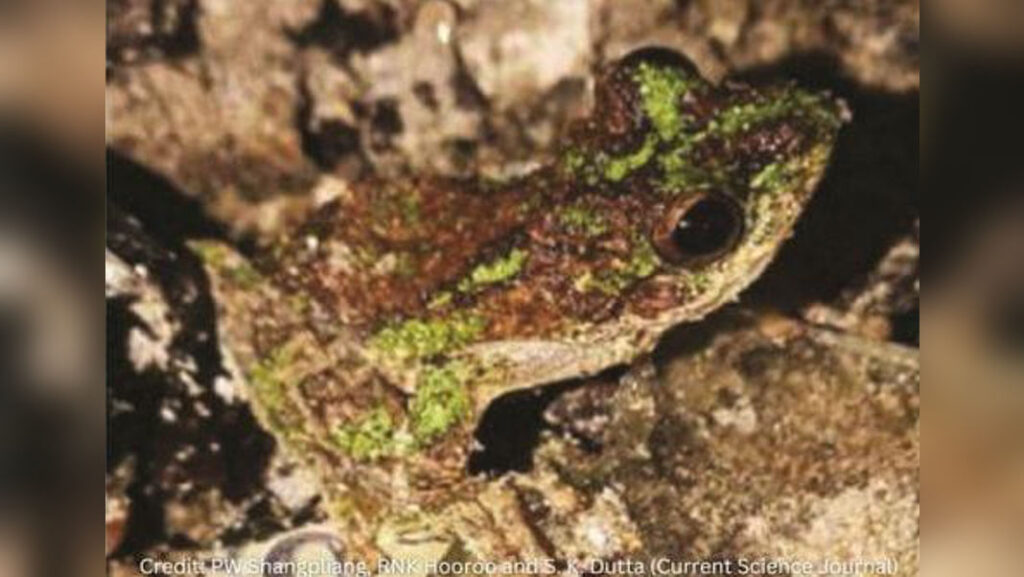
Their research has highlighted the critical role of temporary rain-fed pools and community forests as breeding habitats for amphibians. In one of their studies, the researchers documented eight frog species and examined how environmental factors such as pH, dissolved oxygen, water temperature, and carbon dioxide levels influence breeding site selection and reproductive success.
The findings are considered significant as amphibians are regarded globally as sensitive bioindicators of ecosystem health and climate change.
In another major study, the researchers carried out one of the first detailed investigations into the breeding behaviour of Hyla annectans in Mawsynram’s temporary pools. The study recorded breeding aggregation, egg-laying patterns, and habitat preferences of the species in high-rainfall ecosystems.
The research also underscored the ecological importance of native vegetation surrounding these pools, including species such as Castanopsis indica, Quercus glauca, and Myrica esculenta, which help maintain suitable amphibian habitats.
Beyond amphibian ecology, the scientists have also documented the conservation value of Meghalaya’s sacred groves and community-reserved forests. Their work highlights how traditional Khasi conservation practices continue to protect critical habitats amid rising developmental pressures.
Recent discoveries of amphibian diversity around the Mawsynram region have further reinforced the area’s ecological significance, with researchers suggesting that several parts of the landscape remain biologically unexplored.
“Proud of my hometown, Mawsynram—where nature still hides countless wonders. Beyond amphibians, its rich plants and wildlife await discovery, calling scientists to explore, understand, and protect this extraordinary biodiversity for generations,” Shangpliang said.
Scientists believe the findings strengthen the case for increased conservation attention toward the Khasi Hills, especially as climate change and habitat disturbance threaten fragile high-rainfall ecosystems.
Today, Mawsynram is increasingly being viewed not only as a symbol of extreme rainfall but also as an emerging centre for biodiversity research and conservation in Northeast India.
Also Read: “Boxing Has Taught Me to Fight All Odds”: Lovlina Qualifies for Asian Games, CWG 2026
Also Watch
Find latest news from every corner of Northeast India at hubnetwork.in, your online source for breaking news, video coverage.
Also, Follow us on
Twitter-twitter.com/nemediahub
Youtube channel- www.youtube.com/@NortheastMediaHub2020
Instagram- www.instagram.com/ne_media_hub
Download our app from playstore – Northeast Media Hub