



Tura, April 26: The death of an 11-year-old girl suspected to have contracted rabies has triggered a magisterial enquiry in Meghalaya’s West Garo Hills, even as a fresh suspected case in Jengjal has sharpened concerns over gaps in healthcare response, vaccine availability, and public awareness.
Deputy Commissioner of West Garo Hills confirmed that a formal probe will examine the circumstances leading to the child’s death in Tura—an incident that has already sparked questions over alleged denial of treatment and systemic preparedness to handle rabies cases.
At Jengjal Sub-Divisional Hospital, doctors are currently treating another suspected rabies patient, reportedly a child who developed symptoms nearly a month after a dog bite. Speaking to the media, Dr. Paul Francis said the case is being managed as probable rabies, though tests are underway to rule out conditions such as encephalitis and other neurological infections.
Medical experts warn that rabies remains among the deadliest infectious diseases, with virtually no cure once symptoms manifest. “It is often a diagnosis of exclusion, based on symptoms and history of animal bite. Once clinical signs appear, treatment is only supportive,” a senior doctor said.
Patients in advanced stages frequently experience severe neurological distress, including hydrophobia—fear of water caused by painful throat spasms. With no dedicated isolation wards in many smaller facilities, hospitals are forced to manage such patients in segregated, low-stimulation environments to prevent worsening of symptoms.
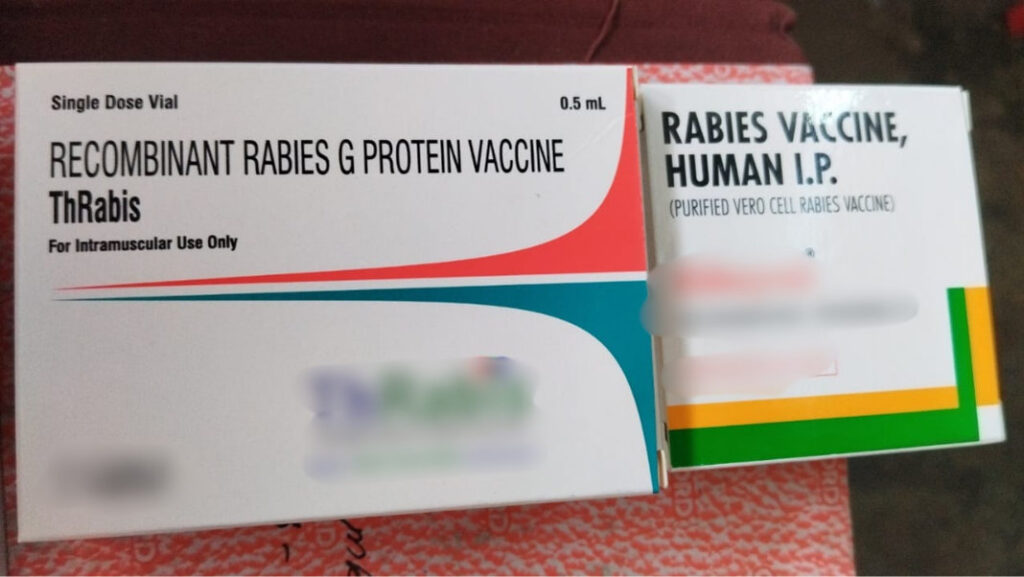
The incident has also exposed uneven availability of anti-rabies vaccines (ARV) across the region. Health professionals point to inconsistent government supply, forcing reliance on private pharmacies where vaccines are often expensive. At the same time, indiscriminate use of vaccines in minor exposure cases is believed to be straining already limited stocks.
Despite rabies being entirely preventable through timely post-exposure prophylaxis (PEP), delays in seeking care remain common—particularly in rural areas where awareness is low and dog bites often go untreated or unreported.
The situation is further complicated by concerns of underreporting and a possible rise in cases. Doctors have also flagged the risk of wild rabies circulation, noting that beyond domestic dogs, animals such as bats and mongooses may act as reservoirs—making surveillance more difficult and potentially allowing silent transmission.
According to the State Action Plan for Dog-Mediated Rabies Elimination by 2030, rabies continues to pose a “significant public health concern” in Meghalaya, driven in part by a large and largely unregulated dog population. The state is estimated to have over 2.56 lakh dogs, including a substantial number of strays—highlighting the urgent need for mass vaccination and population control.
The plan, aligned with the broader ‘One Health’ approach, underscores coordination between human and animal health systems. However, the latest incident has raised a critical question: are frontline healthcare systems adequately equipped—and willing—to handle such high-risk cases?
Attention is now focused on whether clearer protocols, stronger infrastructure, and better-trained personnel can prevent such deaths in the future.
Also Read: UNIQLO India, Avenues Meghalaya train 160+ Northeast youth in job readiness initiative
Also Watch
Find latest news from every corner of Northeast India at hubnetwork.in, your online source for breaking news, video coverage.
Also, Follow us on
Twitter-twitter.com/nemediahub
Youtube channel- www.youtube.com/@NortheastMediaHub2020
Instagram- www.instagram.com/ne_media_hub
Download our app from playstore – Northeast Media Hub