



Guwahati, Oct 9: A new study by the Zoological Survey of India (ZSI) has thrown fresh light on Meghalaya’s fast-flowing hillstream ecosystems—revealing not just their astonishing biodiversity, but also the mounting threats they face.
The three-year survey, spanning 53 streams and rivers across Khasi, Jaintia, Garo Hills, and Ri-Bhoi, has documented 36 species of hillstream fishes under 17 genera, 7 families, and 2 orders. The study was published in Records of Zoological Survey of India journal.
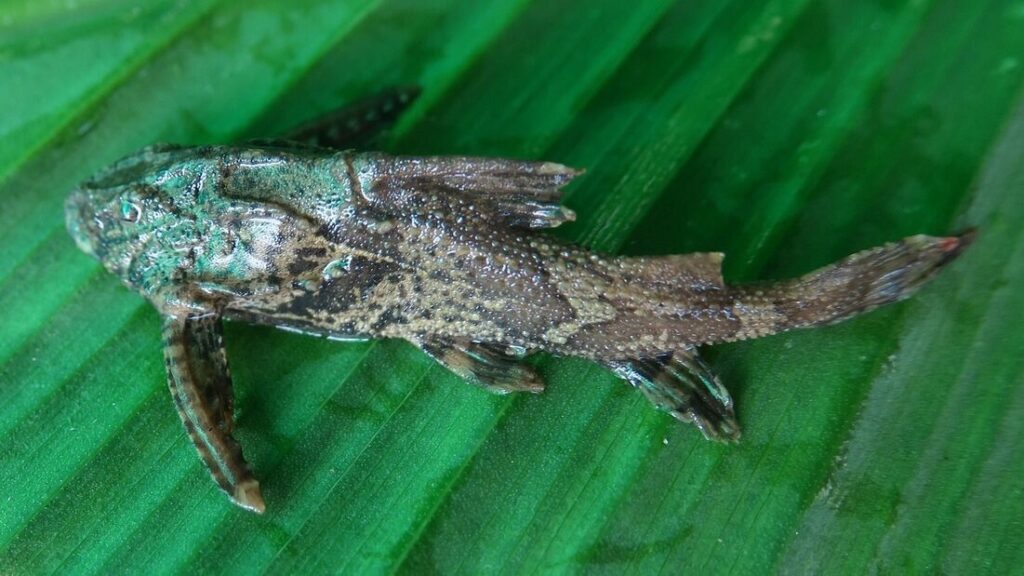
Hillstream fishes are specialised fauna adapted to fast flowing water found in streams and rivers in hilly regions. There are two categories of hillstream fishes: the temporary and permanent inhabitants. The temporary inhabitants travel against the current by muscular effort, without any special modifications, whereas the permanent inhabitants exhibit extreme adaptations.
The study was undertaken to survey and document specifically the fish species adapted to fast-flowing water found in streams and rivers in the hilly region of the state. The hillstream fishes were surveyed in habitats with clear, fast-flowing water, consisting of rock, gravel, pebbles, cobbles, and fine sand as substrates.

Among them, seven are found nowhere else in the world—making Meghalaya a global hotspot of freshwater diversity.
“The abundance of hillstream fishes is a sign of a healthy ecosystem. Their decline signals something gravely wrong with our rivers,” said Dr. Dimos Khynriam, lead author of the study.
Hillstream fishes are masters of adaptation. Some, like Garra, develop suction pads that let them cling to rocks against raging torrents. Others, like Glyptothorax, evolve special grooves and ridges to anchor themselves to riverbeds. These unique modifications allow them to thrive in some of the fastest-flowing waters on Earth.
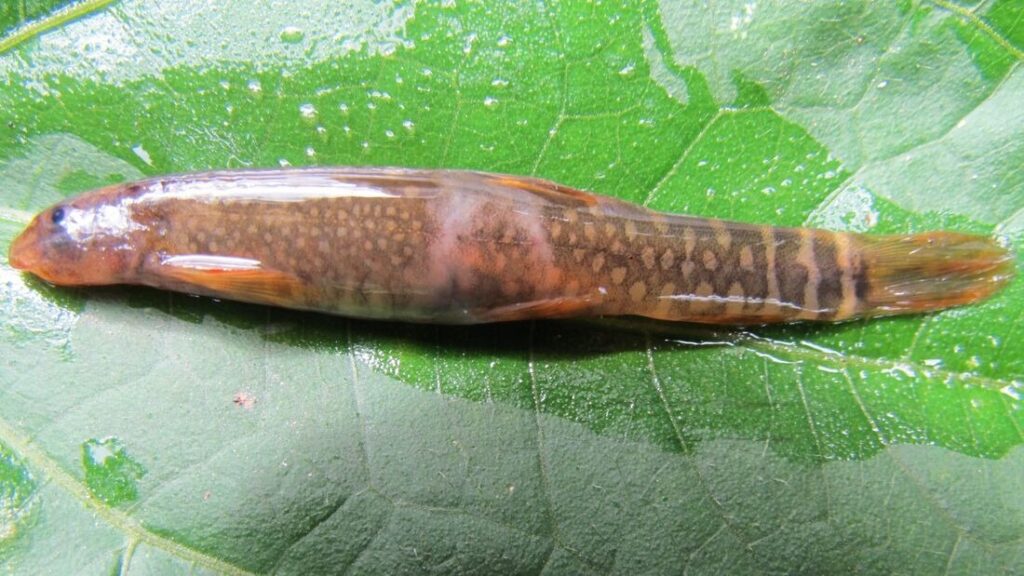
The study highlights a wide altitude range—from 32 metres to nearly 1,600 metres—where species such as Psilorhynchus, Aborichthys, Schistura, and Botia carve out specialized habitats.
The survey has flagged a worrying trend: six species are now threatened, including:
Schistura papulifera – Critically Endangered cave loach, found only in Meghalaya.
Schistura sijuensis – Endangered, discovered in Siju cave.
Botia rostrata and Aborichthys garoensis – Vulnerable species unique to the region.
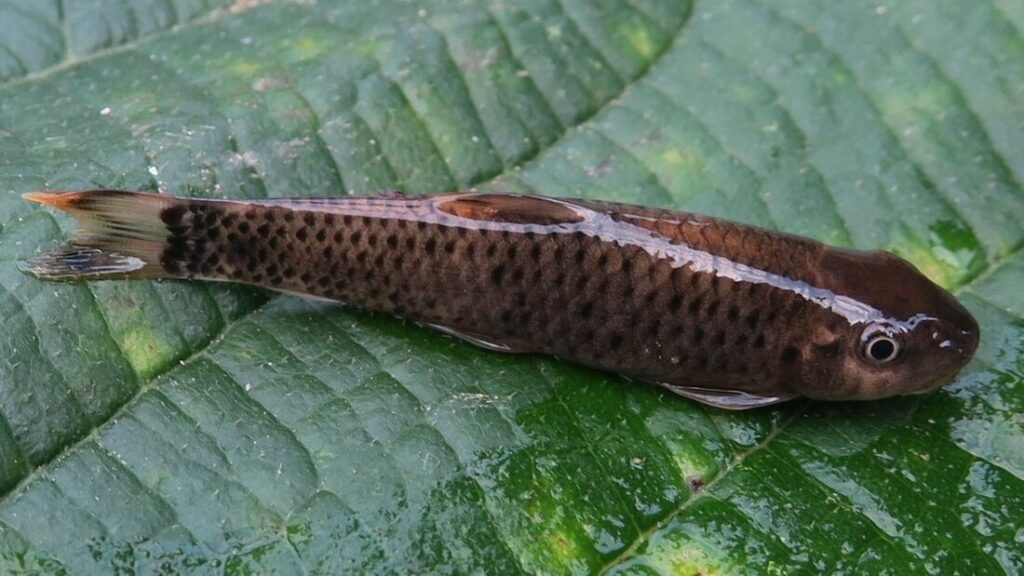
In all, 16 species have their type localities in Meghalaya, underscoring its global importance to ichthyology.
But this hidden wealth is under pressure. Pollution, sand mining, and riverbank destruction threaten these habitats. The report warns that without urgent conservation, Meghalaya’s rare hillstream fishes could be lost—taking with them millions of years of evolutionary history.
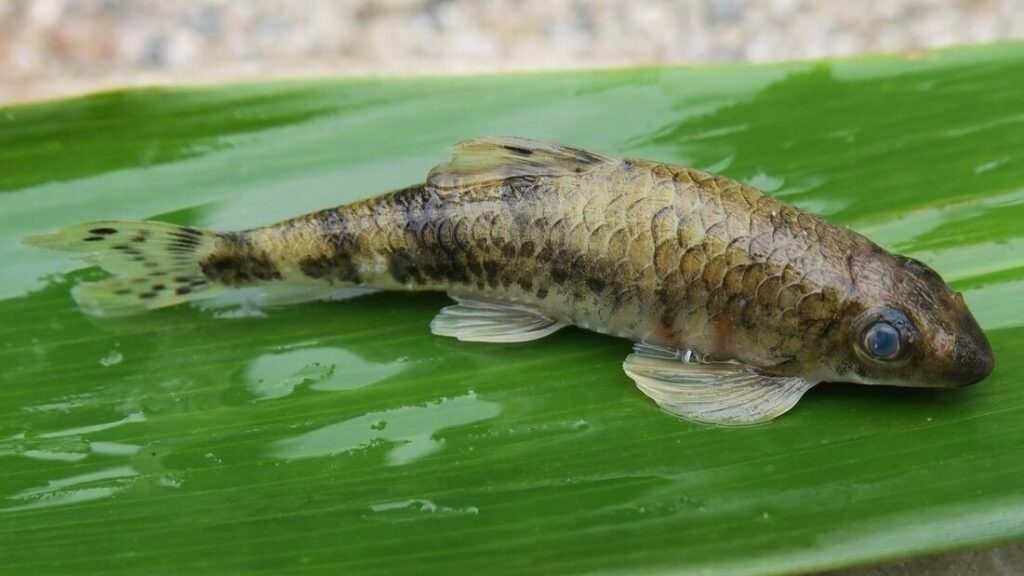
“These fishes are not just biological curiosities; they are indicators of the health of our rivers. Protecting them means protecting our own water security,” Khynriam added.
Also Read: Another Child reported missing from Nongrah
Also Watch:
Find latest news from every corner of Northeast India at hubnetwork.in, your online source for breaking news, video coverage.
Also, Follow us on-
Twitter-twitter.com/nemediahub
Youtube channel- www.youtube.com/@NortheastMediaHub2020
Instagram- www.instagram.com/ne_media_hub
Download our app from playstore – Northeast Media Hub