


Urmi Bhattacharjee
Guwahati, July 6: Assam’s cleanest village has emerged as a remarkable example of cleanliness, community discipline and sustainable living that tourism researchers believe deserves a prominent place on India’s rural tourism map.
When travellers speak of clean villages in the Northeast, one name almost always comes up first—Mawlynnong in Meghalaya, celebrated across the world as “Asia’s cleanest village.”
Few, however, realise that just across the state border, Assam has a village that has built an equally inspiring model of community-led cleanliness and civic discipline.
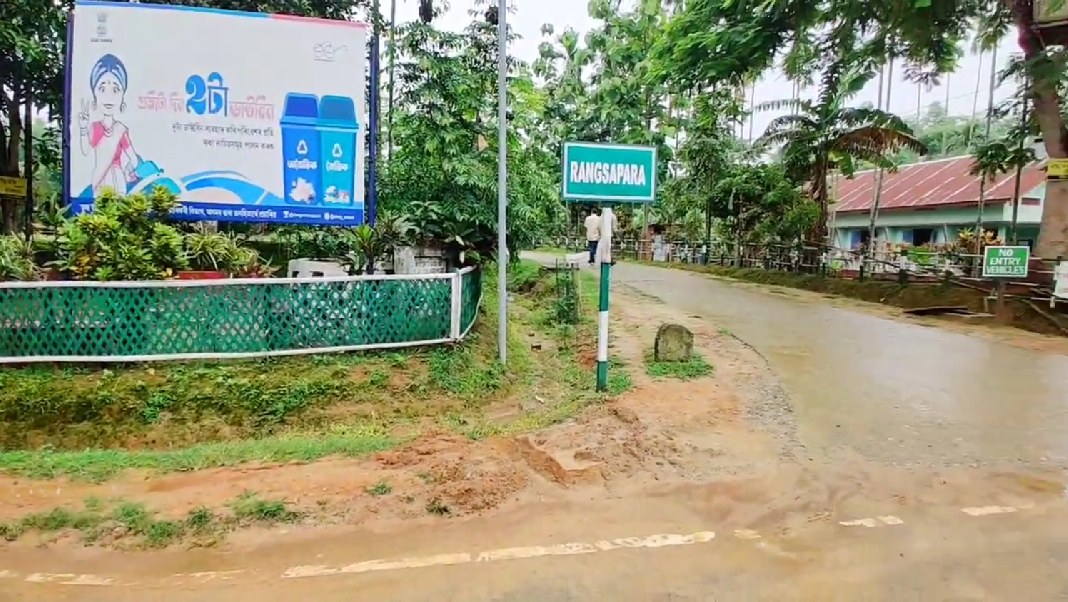
Located in Goalpara district, Rangsapara has earned recognition as Assam’s cleanest village—not through large-scale tourism campaigns or publicity, but through years of collective effort, community participation and the belief that cleanliness is part of everyday life rather than an occasional campaign.
The village has now become the subject of academic research, with tourism experts suggesting it has all the ingredients to emerge as one of Assam’s strongest examples of community-based rural tourism.
A recent study by Dr. Prabahan Puzari, Assistant Professor, and Dr. Syed Sajidul Islam, Associate Professor, of the Royal School of Travel and Tourism Management at The Assam Royal Global University identifies Rangsapara as one of three villages capable of reshaping the rural tourism landscape in Assam.
Presented at the SMART-MET 2026 International Conference, the research argues that destinations such as Rangsapara can generate employment, encourage entrepreneurship and preserve indigenous culture while contributing to sustainable economic development.
Rather than studying established destinations like Kaziranga or Majuli, the researchers deliberately selected villages with distinctive identities that have received relatively little attention.
“Our intention was to identify places that already have strong foundations but haven’t received the recognition they deserve,” the researchers said.
“Tourists today are searching for authentic experiences, and villages like Rangsapara offer something that modern destinations often cannot—a genuine way of life.”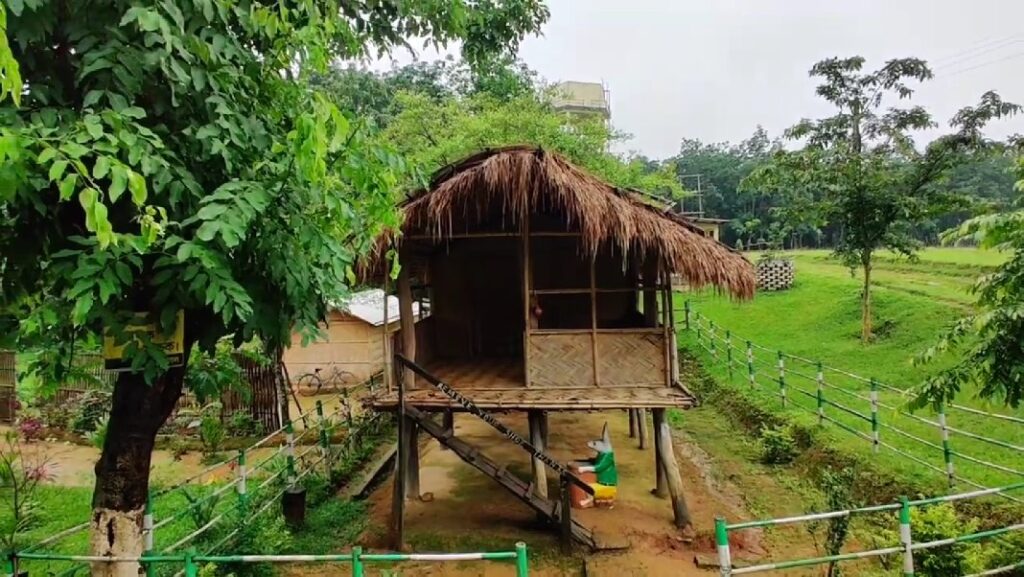
The character of the village becomes evident almost immediately. Clean streets, well-maintained public spaces and disciplined waste management reflect years of community participation.
Residents follow strict social norms relating to sanitation, drinking water, plastic use and public hygiene. The village has also maintained firm restrictions on alcohol and drug abuse, creating a culture of collective responsibility that visitors quickly notice.
Unlike places where cleanliness is maintained primarily for visitors, in Rangsapara it is simply woven into daily life.
The researchers believe this community spirit is one of the village’s biggest strengths.
Their survey of 150 tourists and 60 local stakeholders revealed strong confidence in the future of rural tourism. Nearly 74 per cent of local respondents rated the tourism potential of villages like Rangsapara as high or very high, while more than 63 per cent of visitors said they would gladly return and recommend the destinations to others.
The study also found that traveller preferences are changing. Increasingly, visitors are looking beyond well-known landmarks in search of local cuisine, village life, traditional crafts, organic produce, peaceful surroundings and meaningful interactions with local communities. Social media and word-of-mouth recommendations are now playing a greater role than conventional tourism campaigns in introducing travellers to such destinations.
The research also highlights the challenges that remain.
Road connectivity, accommodation, visitor facilities and organised promotion require improvement, while more than half of the stakeholders surveyed felt government support is still inadequate to realise the full tourism potential of villages like Rangsapara.
Despite these limitations, visitor satisfaction remains encouraging.
Nearly 77 per cent of tourists rated their overall experience as good or excellent, while 80 per cent appreciated the warmth and hospitality of the local community—qualities the researchers describe as one of Assam’s greatest strengths in an increasingly experience-oriented tourism market.
“The potential for rural tourism is enormous,” said Dr. Prabahan Puzari.
“Rural tourism is not just about attracting visitors. It creates entrepreneurship, generates employment, preserves traditional culture and allows local communities to become direct beneficiaries of economic development.”
His colleague, Dr. Syed Sajidul Islam, believes Assam has an opportunity to broaden the way it presents itself as a tourism destination.
“Visitors today are looking for authenticity. Villages offer culture, cuisine, crafts, agriculture and community life that cannot be recreated elsewhere. Rural tourism allows people to experience the real Assam while ensuring that economic benefits remain within local communities,” he said.
The researchers have urged the Assam Government to identify and promote more such villages, introduce guided rural tourism circuits, strengthen eco-friendly infrastructure, encourage homestays and involve village institutions more closely in tourism planning.
They have also recommended documenting the history and cultural significance of lesser-known destinations with the help of historians and anthropologists before promoting them, while developing distinctive tourism identities and branding that genuinely reflect the character of each village.
For the researchers, Rangsapara illustrates how rural tourism can grow without compromising the values that define a community. They believe similar villages exist across Assam and that, with stronger infrastructure, better promotion and greater local participation, many of them could contribute significantly to the state’s tourism economy while preserving their cultural identity and way of life.