


ROOPAK GOSWAMI
Scientists warn forest loss in Meghalaya’s Ri-Bhoi could break the four-year life cycle of Chremistica ribhoi
Shillong, Jan 3: For four years, it lives unseen beneath the soil, feeding on bamboo roots. Then, for a few weeks, it emerges in vast numbers, filling parts of Ri-Bhoi district with a piercing chorus locals call the sound of the Ñiangworldcup.
Scientists now warn that this rare natural cycle is under threat due to rapid habitat loss.
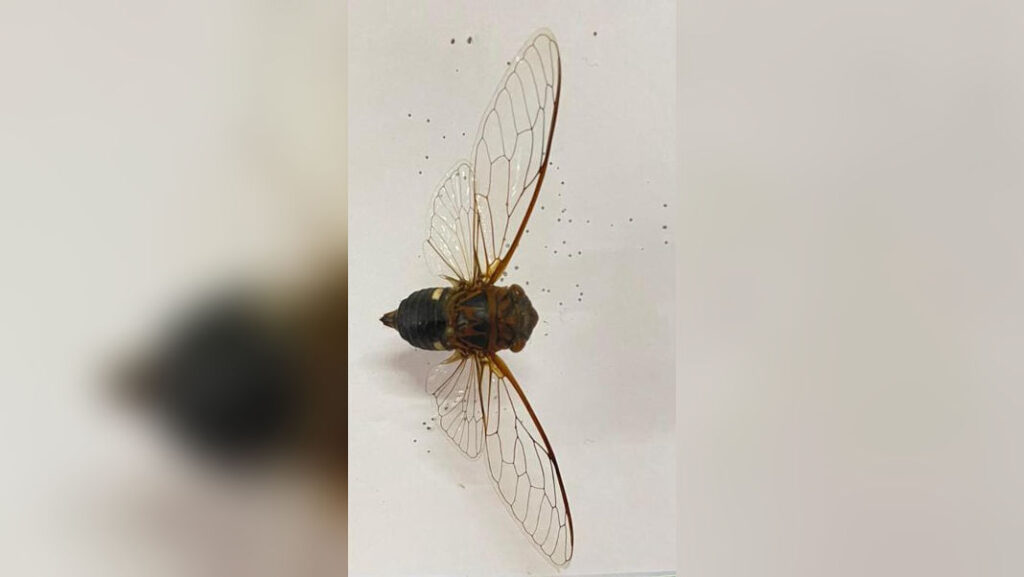
Chremistica ribhoi, India’s only known periodical cicada, is found exclusively in a narrow belt of Ri-Bhoi district in Meghalaya.
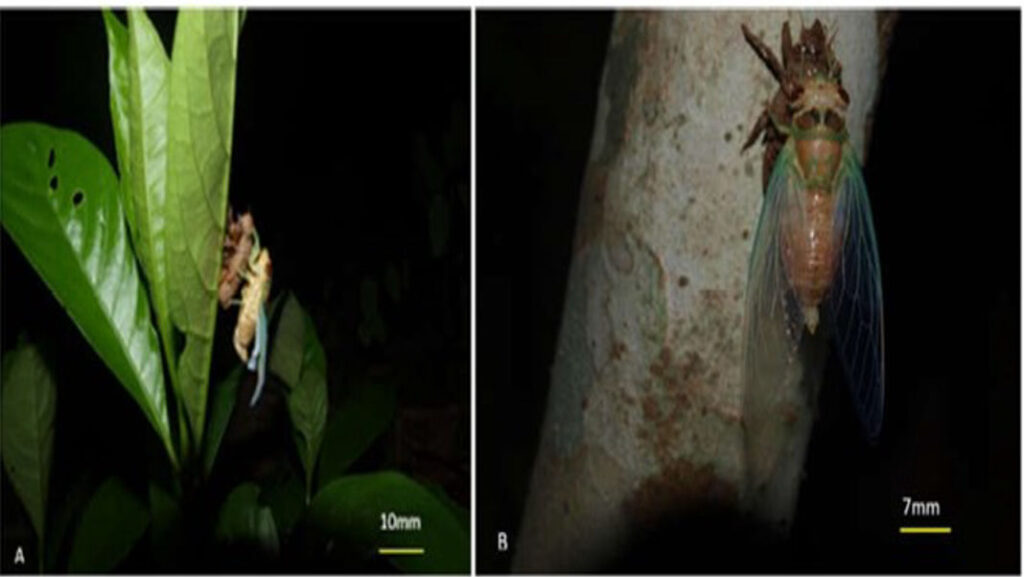
According to a study published in Pranikee – Journal of the Zoological Society of Orissa, the species depends on intact bamboo groves and undisturbed subtropical forests to complete its four-year life cycle.
This mass emergence of cicada from Ri-Bhoi district of Meghalaya was first reported by S R Hajong of North Eastern Hill University in 2013. Subsequently, Hajong and Yaakop (2013) described this cicada as a new species under the genus Chremistica.
This cicada is known by the local ethnic Bhoi community, and is commonly referred to as Ñiangtaser. There also exists a folklore, which is popular among the Bhoi community explaining as to how this cicada appeared.
Unlike annual cicadas, C. ribhoi spends almost its entire life underground as a nymph, feeding on bamboo rootlets before emerging en masse to mate and die within a month. Researchers from North-Eastern Hill University documented two distinct broods — Saiden and Jirang — which emerge in alternating four-year cycles, two years apart. This timing, the study notes, depends on stable soil conditions, adequate moisture, and continuous forest cover.
The Saiden Brood (Brood I) — named after Saiden village — last emerged in 2022. Its next mass emergence is due in 2026, followed by 2030.
Villages likely to witness this phenomenon include Saiden, Iewsier, Lailad, Lumkdait, Nongluwai, Mawdem, Tasku, Umsong, Umsohbar and Warmawsaw, many of them near bamboo-rich forest patches and the Nongkhyllem landscape.
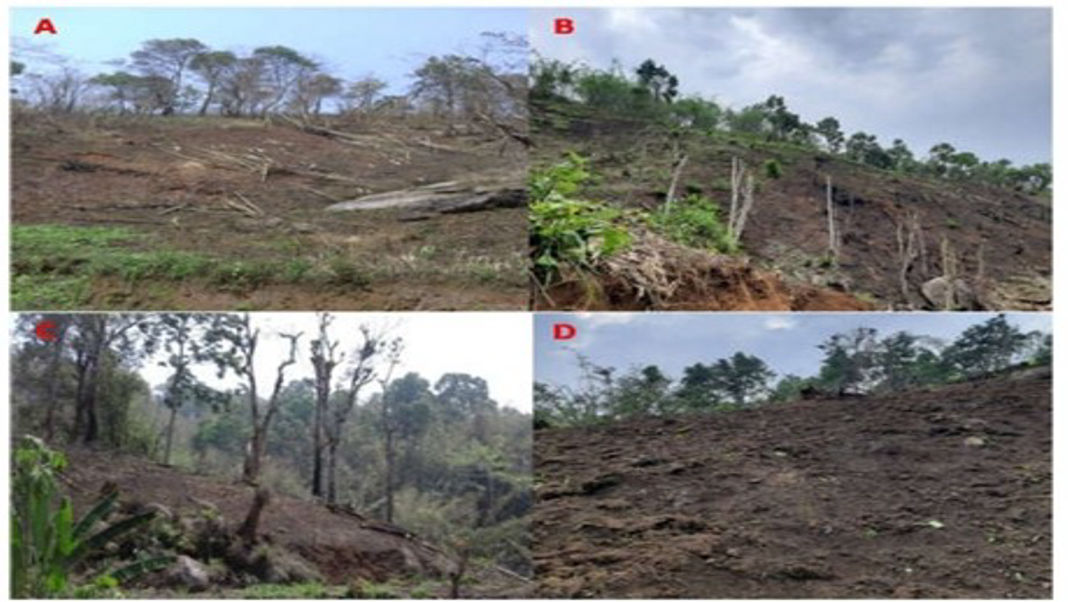
Field observations and local accounts suggest this cycle is already breaking down. Villagers in areas such as Iewsier and Saiden told researchers that locations once known for mass emergences have fallen silent. Forest patches have been cleared for cultivation and settlement, disrupting underground nymph development.
Another unique phenomenon of C. ribhoi that the locals often narrate is the suicidal tendencies of the adults which plunge into turbulent or fast-flowing river Umtrew. This event is seen towards the end of their mating process. The phenomena of this unusual behaviour of C. ribhoi was observed by one of the authors (SRH) and recorded during the 2006 mass emergence at Lailad in the river Umtrew. Several adult individuals were seen emerging from the nearby forest and made short circles around the roaring and fast-flowing river before plunging into the water which caused their death.
“Even if many adults are eaten by predators, the population survives as long as the habitat remains intact,” the study notes. “Once the forest is gone, the cicadas vanish.”
The pressure has increased in recent years as the mass emergence has drawn growing public attention.
The cicadas are traditionally consumed by the Bhoi Khasi community and can fetch between ₹400 and ₹800 per kilogram during emergence years. While the insect is a culturally important and protein-rich food source, researchers warn that unregulated harvesting, combined with habitat loss, could accelerate population decline.
Most healthy emergences now occur near relatively undisturbed forests such as the Nongkhyllem Wildlife Sanctuary, which scientists identify as a potential refuge for the species. The authors have proposed declaring Chremistica ribhoi the state insect of Meghalaya and recognising Nongkhyllem as a dedicated conservation site for the cicada.
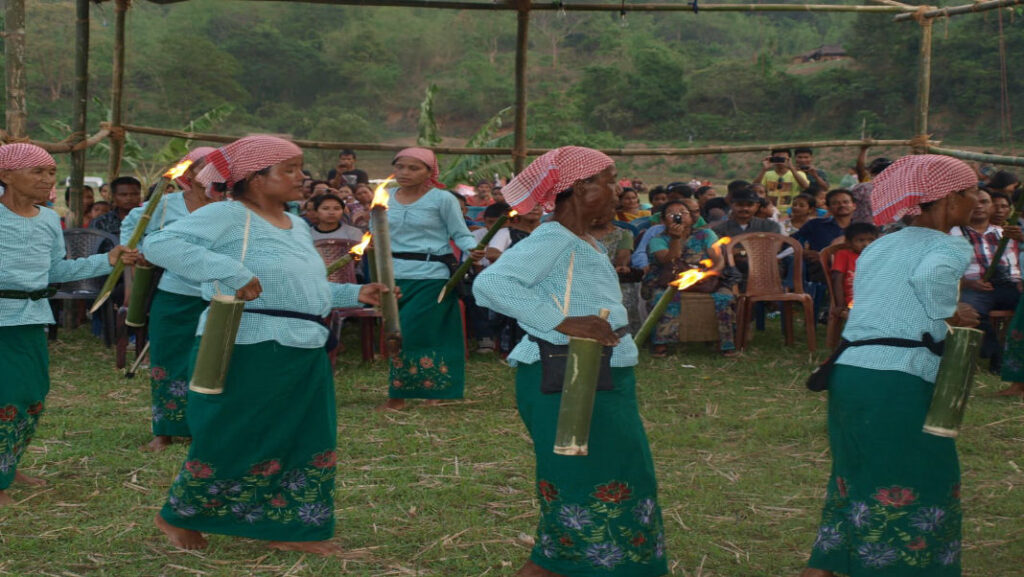
Community-led initiatives are also attempting to shift focus from exploitation to conservation. The Ñiangtaser Festival, held every four years in Saiden, blends food, folklore and forest awareness.
Organisers say the event aims to underline the link between forest protection and the cicada’s survival.
Scientists warn that without immediate habitat protection, India could lose its only periodical cicada — and with it, a rare natural phenomenon that links ecology, culture and time in Meghalaya’s forests.
Also Read: Meghalaya secures strong national presence at Viksit Bharat Young Leaders Dialogue 2026
Also Watch
Find latest news from every corner of Northeast India at hubnetwork.in, your online source for breaking news, video coverage.
Also, Follow us on-
Twitter-twitter.com/nemediahub
Youtube channel- www.youtube.com/@NortheastMediaHub2020
Instagram- www.instagram.com/ne_media_hub
Download our app from playstore – Northeast Media Hub