


ROOPAK GOSWAMI
Guwahati, Jan 21: Meghalaya’s freshwater habitats and Arunachal Pradesh’s forest ecosystems have together revealed a remarkable scientific first — the discovery of rare microscopic organisms never before recorded in India, highlighting the Northeast’s biodiversity far beyond its well-known wildlife.
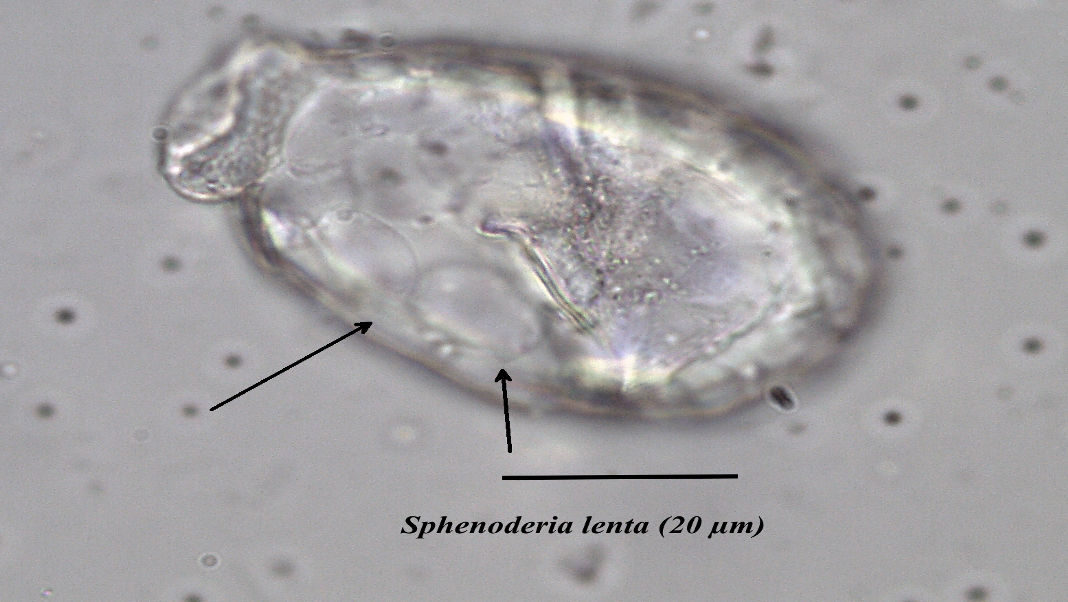
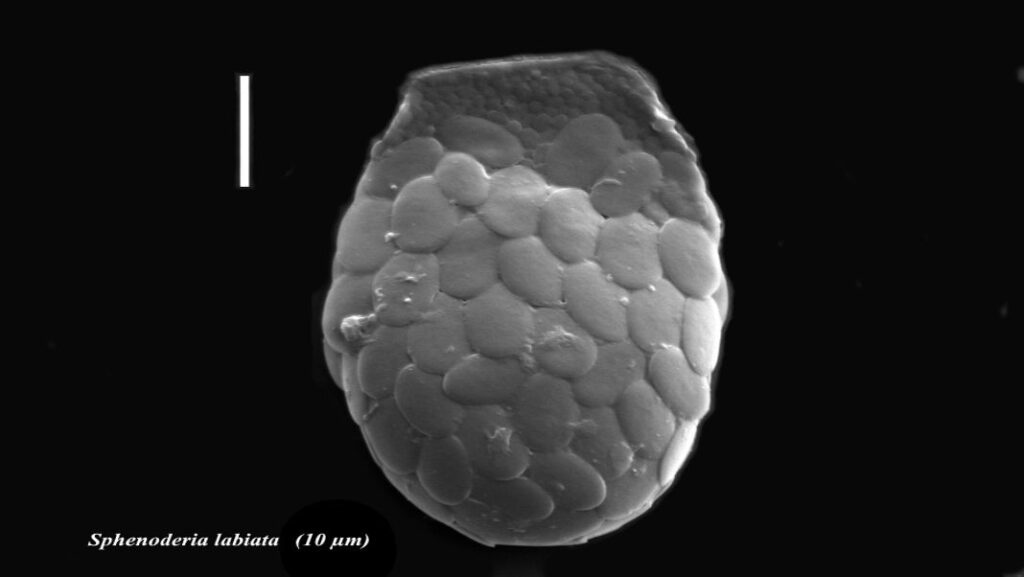
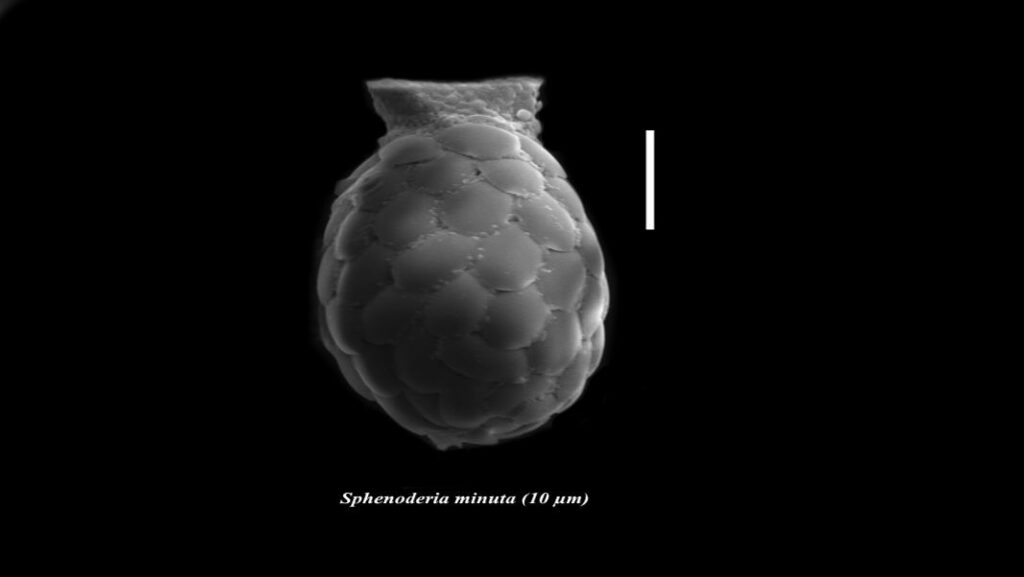
Scientists from the Zoological Survey of India have documented the presence of the testate amoeba genus Sphenoderia in India for the first time, with species recorded from freshwater sediments in Meghalaya and moss-covered forest habitats in Arunachal Pradesh.
It was found from Nan Shnong lake in Meghalaya and Talle Valley Wildlife Sanctuary in Arunachal Pradesh. Nan Shnong Lake (often referred to locally as Nan Shnong Nongthymmai / Lum Thangding) is a small lake located near Laitlyngkot village in East Khasi Hills district. It is around 30 km from Shillong city, 1 hour drive from Shillong-to-Dawki road.
The study, published in the international journal Zootaxa, reports Sphenoderia minuta and Sphenoderia labiata from aquatic habitats in Meghalaya, while Sphenoderia lenta was found in tree moss samples collected from a conserved forest biotope in Arunachal Pradesh. Together, the findings underline the ecological richness of Northeast India at the microscopic scale.
“These findings show the rich diversity of not only large organisms, but also unicellular organisms like protists,” said Purushothaman Jasmine, lead author of the study. “Such life forms are fundamental to ecosystem functioning, yet they remain largely invisible in conservation discussions.”
Testate amoebae are single-celled organisms enclosed in delicate siliceous shells. Despite their tiny size, they play a key role in nutrient cycling and food webs in soil and freshwater ecosystems, and are globally recognised as sensitive bioindicators of environmental change.
Jasmine warned that current conservation priorities often overlook these organisms and the habitats they depend on.

“Most research is focused on charismatic species — apex predators like elephants and tigers,” she said. “There is also an assumption that soil and freshwater systems will continue to survive, even when anthropogenic pressures have crossed their carrying capacity. This attitude underestimates the survival of microhabitats.”
The discovery is particularly significant as both Meghalaya and Arunachal Pradesh lie within the Indo-Burma biodiversity hotspot, a region known for high species richness but also increasing pressure from land-use change, pollution and climate stress.
The presence of Sphenoderia species in both freshwater and forest microhabitats suggests a complex and fragile ecological balance.
Researchers say microorganisms are often the first to respond to environmental disturbance, making them early warning indicators of ecosystem degradation.

“When we ignore microscopic life, we lose the first signals of ecological stress,” Jasmine said.
The study calls for greater scientific attention to microbial biodiversity in Northeast India, including molecular research, to better understand how such organisms respond to environmental change.
In revealing life measured in microns, the researchers have delivered a broader message: protecting the biodiversity of Meghalaya and Arunachal Pradesh also means safeguarding the unseen foundations of their ecosystems.
Also Read: Meghalaya’s 10% growth rate a milestone, but more needed, says CM
Also Watch
Find latest news from every corner of Northeast India at hubnetwork.in, your online source for breaking news, video coverage.
Also, Follow us on
Twitter-twitter.com/nemediahub
Youtube channel- www.youtube.com/@NortheastMediaHub2020
Instagram- www.instagram.com/ne_media_hub
Download our app from playstore – Northeast Media Hub