

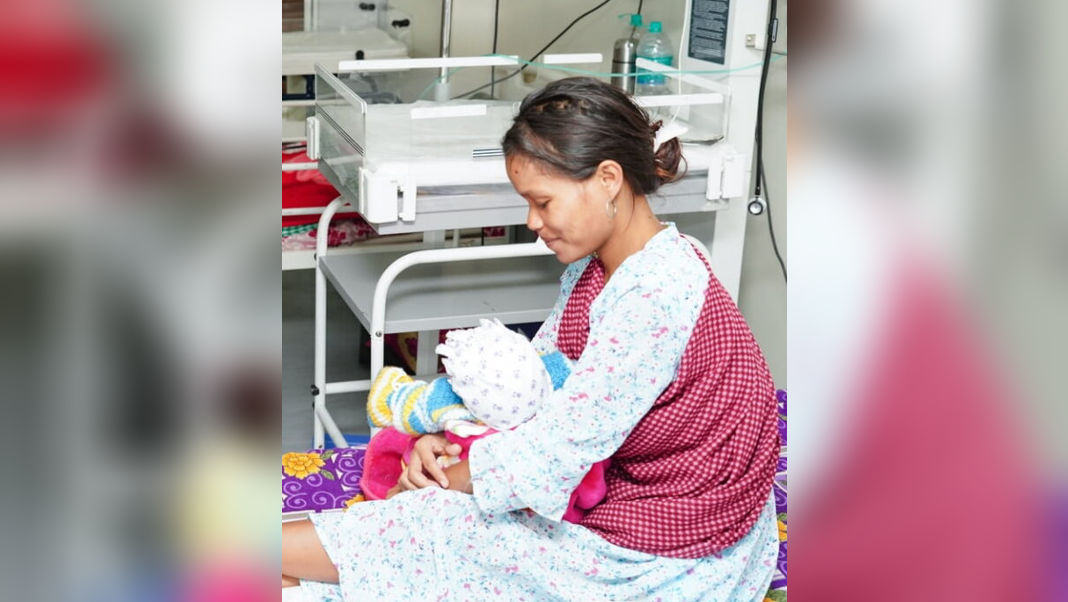

Shillong, June 7: Meghalaya has recorded substantial improvements in key health indicators, cutting maternal deaths by 57 per cent and infant deaths by 40 per cent over the past five years.
However, despite these gains, the state continues to face major challenges in maternal healthcare, birth spacing, child nutrition and tobacco use, according to a new report released by the State Health Systems Resource Centre (SHSRC).
The report, Meghalaya’s Health Trends: Progress & Priorities, shows maternal deaths declined from 244 in 2020-21 to 106 in 2025-26, while infant deaths fell from 3,064 to 1,833 during the same period.
The improvements have been accompanied by a steady increase in institutional deliveries, which rose from 51.4 per cent in NFHS-4 (2015-16) to 65.6 per cent in NFHS-6 (2023-24). The report attributes part of this progress to interventions such as the Chief Minister’s Safe Motherhood Scheme (CM-SMS), launched in 2022 to provide transport support and incentives for pregnant women to deliver in health facilities.
Institutional deliveries have continued to rise since the programme’s introduction, reaching 79 per cent in 2025-26, according to Health Management Information System (HMIS) data.
The report also points to improvements in several social determinants of health. Access to improved drinking water increased from 67.9 per cent of households in NFHS-4 to 84.3 per cent in NFHS-6. Women’s ownership of bank accounts rose from 54.4 per cent to 81.5 per cent during the same period.
Health insurance coverage emerged as another success story. The proportion of households covered by health insurance increased from 34.6 per cent in NFHS-4 to 74.9 per cent in NFHS-6, placing Meghalaya above the national average and ranking it tenth among Indian states and Union Territories.
One of the report’s most striking findings is the sharp decline in reported spousal violence. The proportion of ever-married women reporting spousal violence dropped from 28.7 per cent in NFHS-4 to 5.9 per cent in NFHS-6, representing an 80 per cent reduction and improving the state’s national ranking from 21st to sixth.
The report also highlights progress in reproductive and child health indicators. Teenage pregnancy fell from 8.6 per cent to 4.6 per cent, while the total fertility rate declined from 2.9 to 2.2.
Child nutrition indicators have also improved.

Stunting among children under five declined from 46.5 per cent in NFHS-5 to 36.8 per cent in NFHS-6, while the proportion of underweight children fell to 25.3 per cent, lower than the national average.
Despite these gains, the report identifies several areas requiring urgent attention.
Meghalaya ranks last among all Indian states and Union Territories in unmet need for birth spacing, with 18.4 per cent of married women reporting unmet needs.
The report notes that addressing this gap could significantly improve maternal and child health outcomes.
Maternal healthcare utilisation also remains a concern. Only 57.9 per cent of mothers received antenatal care during the first trimester in NFHS-6, while just 53.2 per cent completed the recommended four antenatal care visits.
Although postnatal care coverage within 48 hours of delivery increased by 73 per cent compared to NFHS-4 levels, Meghalaya continues to rank last nationally on this indicator.
The report also flags persistent challenges in infant and young child feeding practices. While Meghalaya ranks third nationally in early initiation of breastfeeding, less than half of infants are exclusively breastfed during the first six months of life.
Equally concerning, only 18.9 per cent of children aged six to 23 months receive an adequate diet, a finding the report describes as a critical public health issue given the state’s continuing burden of child stunting.
The report further warns of an emerging rise in non-communicable diseases (NCDs). Elevated blood pressure among women has increased steadily across successive survey rounds, while tobacco use remains among the highest in the country.
Meghalaya ranks second nationally for tobacco use among men, with 57.8 per cent reporting use of tobacco in any form. Among women, tobacco use increased from 28.3 per cent in NFHS-5 to 34.6 per cent in NFHS-6, giving the state the third-highest prevalence in the country.
To address these challenges, the report proposes a range of interventions, including community-based programmes to promote birth spacing, expansion of the Chief Minister’s Mission 1000 Days nutrition initiative, support for institutional deliveries through community childcare arrangements, and a shift towards family-based, person-centred healthcare for tackling non-communicable diseases.
The findings suggest that while Meghalaya has made notable progress in reducing maternal and infant mortality and improving several health indicators, sustaining these gains will depend on addressing persistent gaps in maternal care, child nutrition and lifestyle-related health risks.
Also Read: Manas unveils Assam’s first grass nursery as reserve battles 60% grassland loss
Also Watch
Find latest news from every corner of Northeast India at hubnetwork.in, your online source for breaking news, video coverage.
Also, Follow us on
Twitter-twitter.com/nemediahub
Youtube channel- www.youtube.com/@NortheastMediaHub2020
Instagram- www.instagram.com/ne_media_hub
Download our app from playstore – Northeast Media Hub