

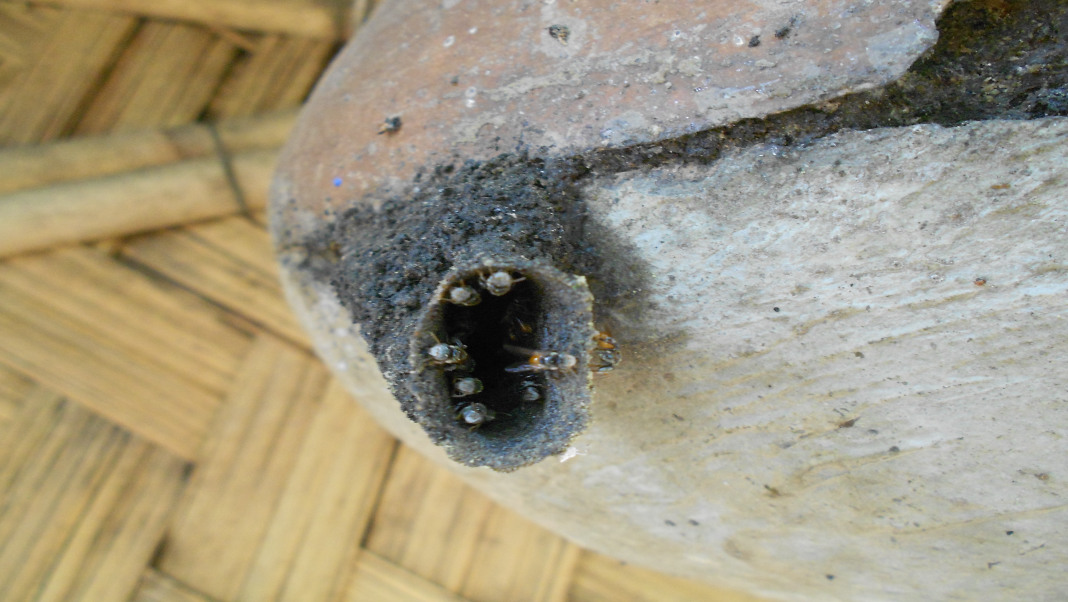

Tura, Jan 9: A traditional forest practice of the Garo community may soon find its place on premium store shelves across India — and beyond.
A scientific evaluation conducted by ICAR–Krishi Vigyan Kendra (KVK), West Garo Hills has confirmed that Mengkari, the distinctive honey produced by stingless bees locally reared by Garo families, meets and in several cases exceeds national and international quality standards.
The study was done Dr. Tarun Kumar Das, Dr Sanjay Chetry, Dr Monica Suresh Singh and Dr N. Arunkumar Singh
ICAR – Krishi Vigyan Kendra, West Garo Hills, Meghalaya.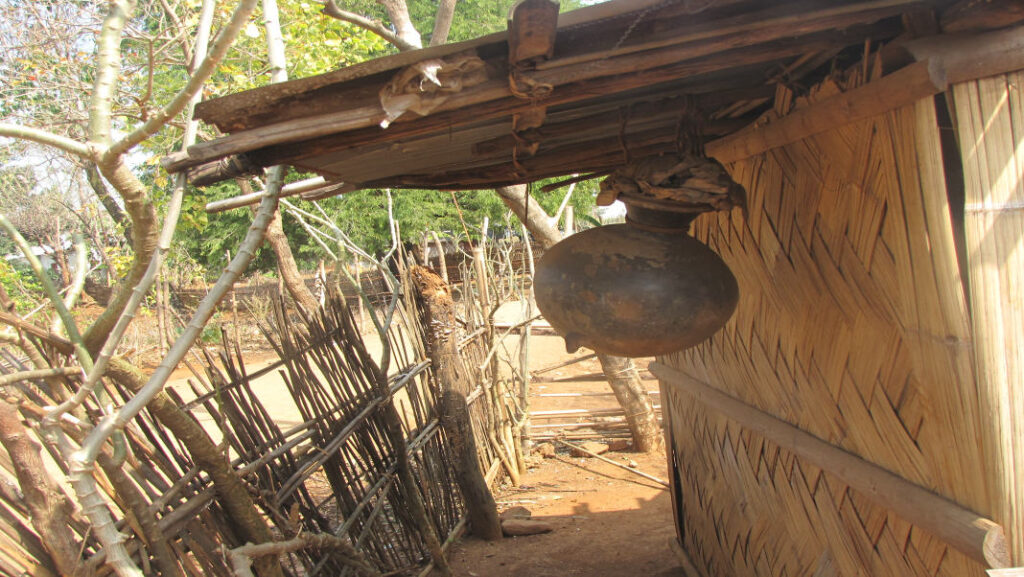
Often harvested from earthen pots and wooden boxes kept near homes, Mengkari honey has long been valued locally for its tangy flavour and medicinal uses. Now, laboratory analysis suggests this “forest gold” is not just culturally important, but commercially promising.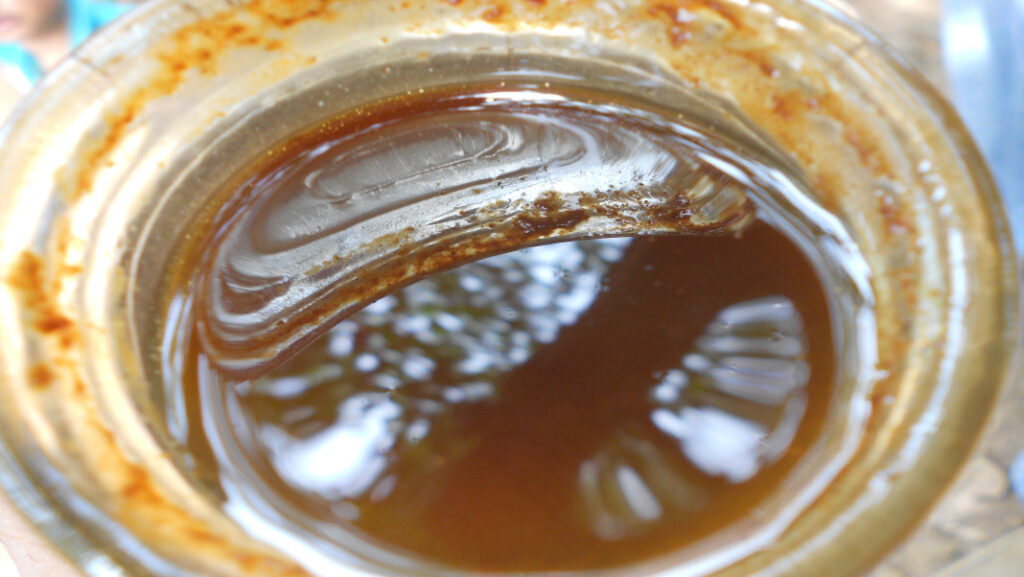 The study analysed 20 honey samples collected from different locations across West Garo Hills, examining key quality parameters such as moisture content, acidity, pH, total soluble solids (TSS), ash content, electrical conductivity and hydroxymethyl furfural (HMF).
Results showed moisture levels between 18.8 and 19.3 per cent, lower than the Codex Alimentarius limit of 21 per cent and significantly below the typical range reported for Indian honeys. Lower moisture enhances shelf life and reduces fermentation risk — a critical factor for marketability.
The honey also recorded a pleasant acidic pH of around 4.4, naturally inhibiting microbial growth, while TSS levels touched nearly 77 per cent, well above the international minimum of 65 per cent, indicating high natural sugar concentration and energy value.
Equally significant was the very low ash content (0.003–0.005 per cent), pointing to exceptional purity, and HMF values far below the permissible limit, reflecting gentle, traditional harvesting and minimal heat exposure.
When compared with stingless bee honeys from Africa, South America and other Indian states, Mengkari honey from West Garo Hills stood out for its balance of low moisture, safe HMF levels and clean composition. While some global honeys show higher mineral (ash) content, the Meghalaya samples demonstrated scope for further optimisation through improved harvest timing — without compromising safety or quality.
Researchers note that this combination positions Mengkari honey as a niche, high-value product, distinct from mass-market varieties.
Stingless bees — gentle, non-stinging and well-suited for homestead rearing — play a crucial role beyond honey production.
By pollinating fruit trees, vegetables and forest species, Mengkari colonies support food security and farm productivity in Garo villages.
Because colonies require little space and pose no risk of stings, stingless beekeeping fits well with small landholdings and diversified livelihoods, especially as communities shift from jhum cultivation to settled horticulture.
Currently, most Mengkari honey is consumed at home or sold informally in unlabelled bottles at local markets.
The study indicates that with minor technical upgrades, including improved harvesting protocols and collective bottling, the honey could easily qualify for FSSAI certification and premium retail channels.
Researchers suggest branding possibilities such as “Mengkari Honey of Meghalaya” or “Stingless Bee Honey from the Garo Hills”, combining geographical identity with indigenous knowledge. Linking the product to eco-tourism, wellness experiences and women-led enterprises could further enhance its value.
Experts recommend a coordinated push involving structured training and capacity building by KVKs and technical agencies, standardised hive designs and colony multiplication techniques, village-level collection, bottling and quality-testing units
and certification, traceability and market linkages, including online platforms.
The findings confirm what Garo families have known for generations: Mengkari honey is special.
What it needs now is policy support, investment and visibility to take this indigenous product from forest homesteads to national and international markets.
Also Read: Meghalaya strengthens police force with 76 new Sub-Inspectors
Also Watch
Find latest news from every corner of Northeast India at hubnetwork.in, your online source for breaking news, video coverage.
Also, Follow us on-
Twitter-twitter.com/nemediahub
Youtube channel- www.youtube.com/@NortheastMediaHub2020
Instagram- www.instagram.com/ne_media_hub
Download our app from playstore – Northeast Media Hub