



Guwahati, July 3: A new species of fruit-bearing tree with medicinal and ethnobotanical significance has been discovered in the Assam’s Baksa district, close to the Manas National Park and Tiger Reserve. Named Garcinia kusumae, the species is a member of the Clusiaceae family and adds to the growing list of biodiversity treasures found in Northeast India.
The discovery, published this week in the journal Feddes Repertorium, was made by Jatindra Sarma, a retired forest officer and now Chairperson of State Expert Appraisal Committee, and Hussain A. Barbhuiya, a scientist with the Bhabha Atomic Research Centre. The tree was first documented in the Bamunbari area along the Kaldia River, at an elevation of about 67 metres.

Garcinia kusumae stands out for its vivid pinkish-orange fruits with blackish resinous exudates and globose shape, a trait not seen in other Indian Garcinia species. It bears creamy-yellow flowers in tight fascicles and produces a sticky yellow resin from its bark. Morphologically, the tree shares some similarities with Garcinia assamica, G. cowa, and G. indica, but differs significantly in flower structure, fruit characteristics, and exudate type.
The tree was first documented in the Bamunbari area along the Kaldia River, at an elevation of about 67 metres.
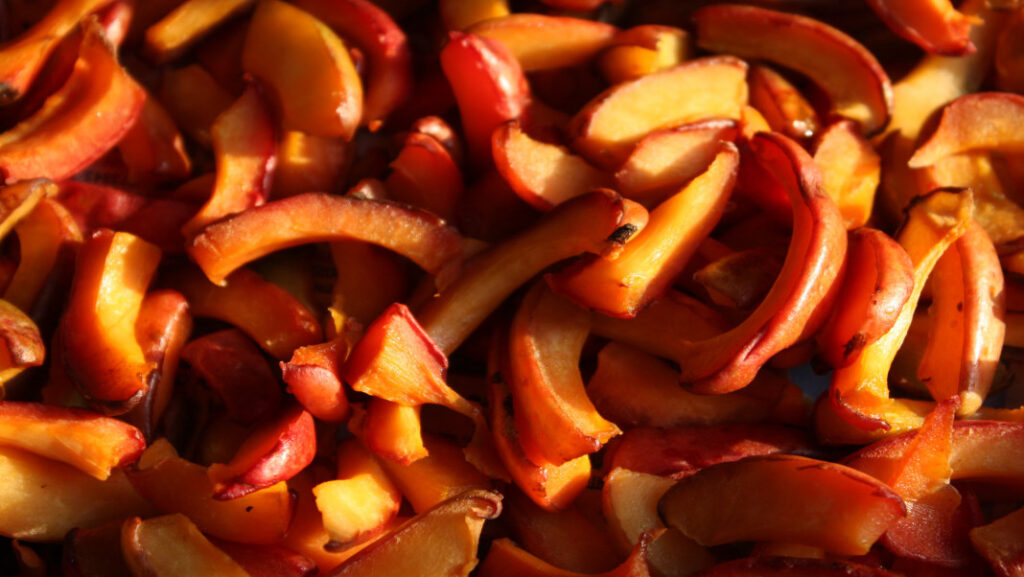
“The species was unknown to science, but not to the locals,” said Sarma. “In Assamese, it’ called Thoikora. The sun-dried pulp is commonly used to make a refreshing drink with salt and sugar—believed to help against heat stroke. It’s also added to fish curry and used in folk remedies for diabetes and dysentery.”
The fruit’s arils are slightly sour and sweet, often eaten raw with salt, chillies, and mustard oil—showcasing the species’ culinary appeal. According to the researchers, these traditional uses may point to pharmacological properties worth investigating further.

The species has been provisionally assessed as “Data Deficient” under IUCN criteria, as its full range and population size are yet to be studied. So far, G. kusumae is known only from a few scattered individuals near Bamunbari and Nityananda, about 26 km south of Manas National Park. Its habitat includes riparian forests with bamboo, Dalbergia, Ehretia, and other native trees.
The authors named the species in memory of Sarma’s late mother, Kusum Devi, in recognition of her sacrifices and inspiration during his early education and career. “This naming is a deeply personal tribute,” Sarma noted.

Garcinia, a pantropical genus of around 414 species, is known for economically important fruits like kokum and mangosteen. India hosts 33 species and seven varieties, of which Assam alone accounts for 12 species and three varieties.
The researchers have called for expanded botanical surveys in the area and protection of its microhabitats to prevent the possible loss of yet-undiscovered species.
Also Watch
Find latest news from every corner of Northeast India at hubnetwork.in, your online source for breaking news, video coverage.
Also, Follow us on-
Twitter-twitter.com/nemediahub
Youtube channel- www.youtube.com/@NortheastMediaHub2020
Instagram- www.instagram.com/ne_media_hub
Download our app from playstore – Northeast Media Hub