


68% of pregnant women anaemic; SHSRC flags gaps in care delivery
ROOPAK GOSWAMI
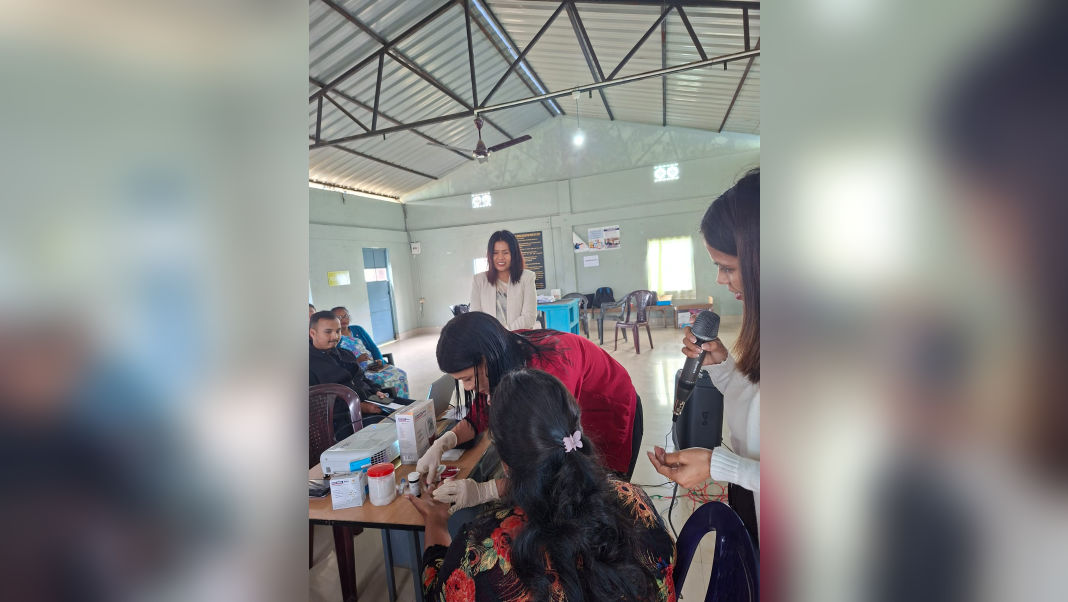
Shillong, Apr 21: The State Health Systems Resource Center (SHSRC), Meghalaya is promoting a systems-based approach—Screen–Refer–Talk–Treat (SRTT)—to address the high burden of maternal anaemia in the state, shifting focus from fragmented interventions to end-to-end care.
The move comes against a stark backdrop: 68% of pregnant women in Meghalaya are anaemic, with prevalence touching 94% in some districts, highlighting what officials describe as a systemic gap in healthcare delivery.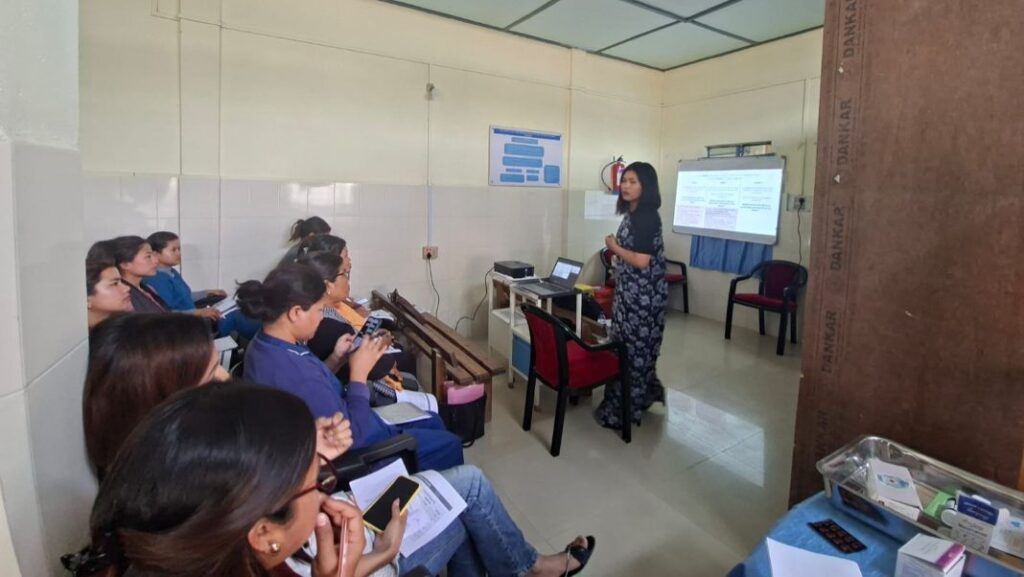
Under the SRTT framework, the state aims to ensure that every pregnant woman is tracked from initial haemoglobin (Hb) screening to completion of treatment, closing long-standing gaps in the continuum of care. The approach integrates early detection, timely referral, counselling, treatment, and follow-up into a single, accountable system.
Health data underscores the urgency. In FY 2024–25, 28% of maternal deaths were among anaemic women, while 20% were attributed to postpartum haemorrhage, a condition where anaemia is a major risk factor. Additionally, 20% of infant deaths were linked to prematurity and low birth weight, both strongly associated with maternal anaemia.
Despite existing protocols, implementation gaps persist. Screening does not cover all women, Hb levels are not always acted upon, referral systems remain inconsistent, and treatment adherence is weak. Data, though collected, is seldom used for real-time intervention.
SHSRC notes that these gaps have resulted in a “broken continuum” of care, where interventions exist but fail to translate into outcomes.
The SRTT model seeks to address this by strengthening frontline capacity, ensuring the availability of iron supplements and IV iron, and using data proactively to track and manage each case until anaemia is corrected.
With a majority of pregnant women affected, officials stress that the issue is no longer about identifying interventions, but about building a system capable of delivering them effectively.
Also Read: MSL 5: Lajong, Rangdajied cruise as Umlakro edge tight win
Also Watch
Find latest news from every corner of Northeast India at hubnetwork.in, your online source for breaking news, video coverage.
Also, Follow us on
Twitter-twitter.com/nemediahub
Youtube channel- www.youtube.com/@NortheastMediaHub2020
Instagram- www.instagram.com/ne_media_hub
Download our app from playstore – Northeast Media Hub