



Guwahati, Oct 3: Deep inside Krem Dam cave near Mawsynram, scientists have stumbled upon microbial life with potentially life-saving secrets.
A new study reveals the cave harbours a surprising diversity of actinobacteria—microorganisms renowned for producing antibiotics and other bioactive compounds.
Meghalaya, with its labyrinth of caves, has long fascinated geologists. But its underground worlds remain largely uncharted territory for microbiologists. Caves are isolated ecosystems where scarcity forces microbes to adapt in unusual ways—sometimes creating compounds that modern science has never seen before.
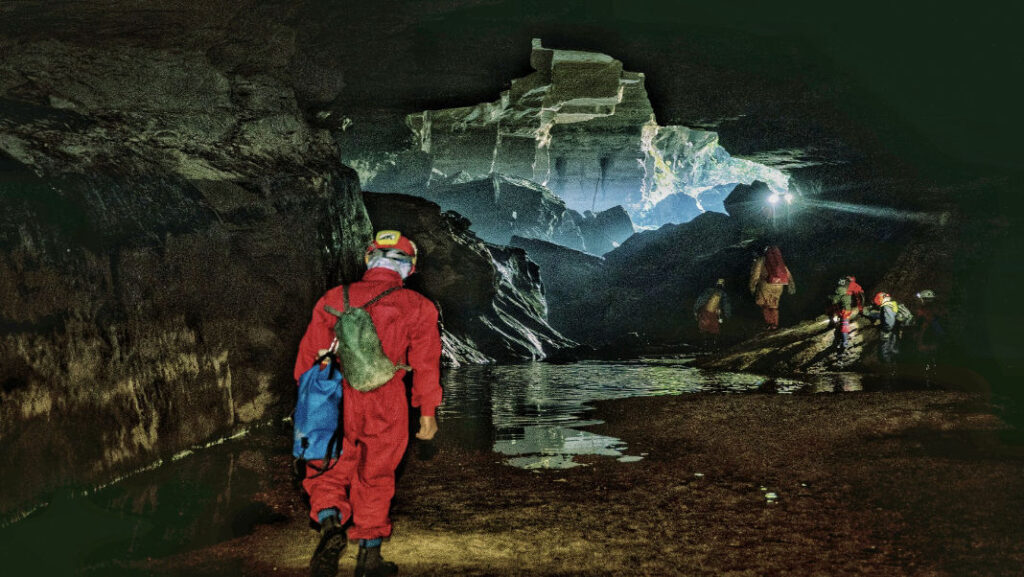
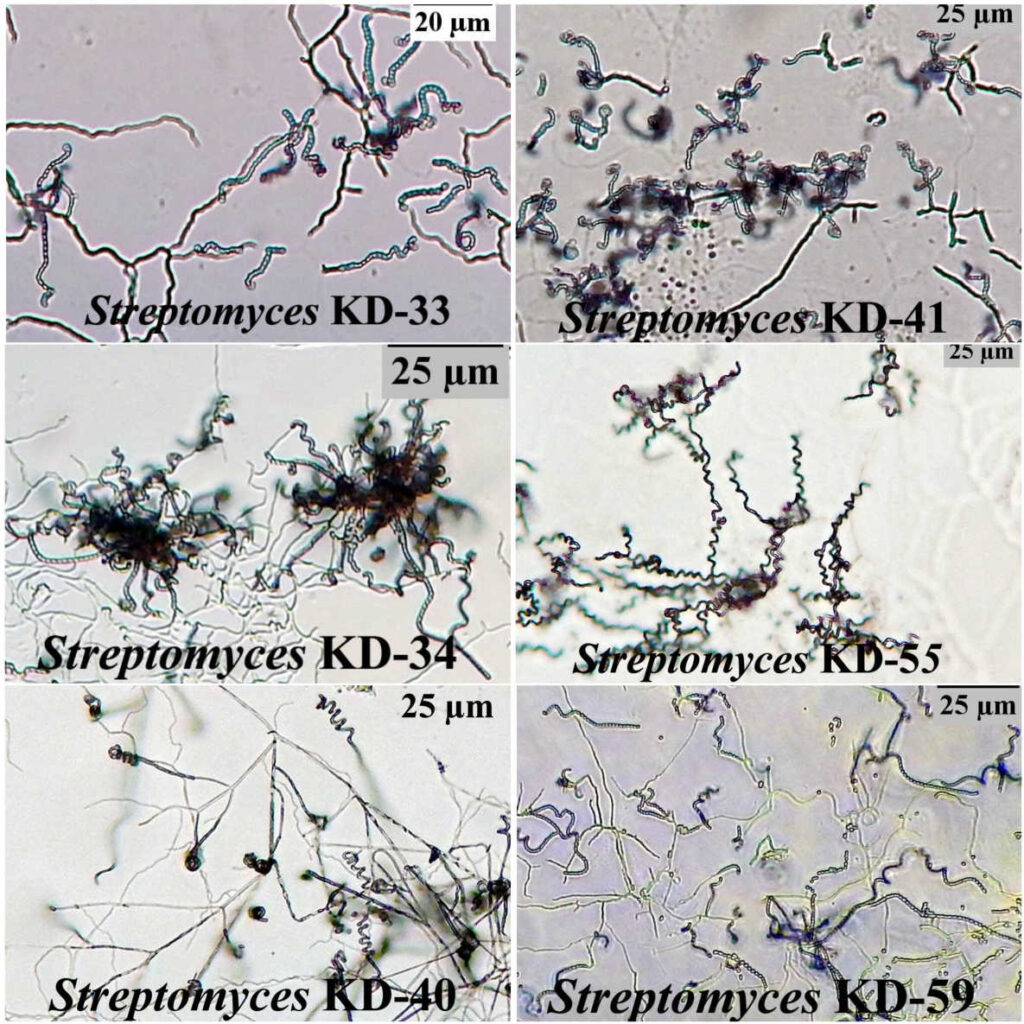
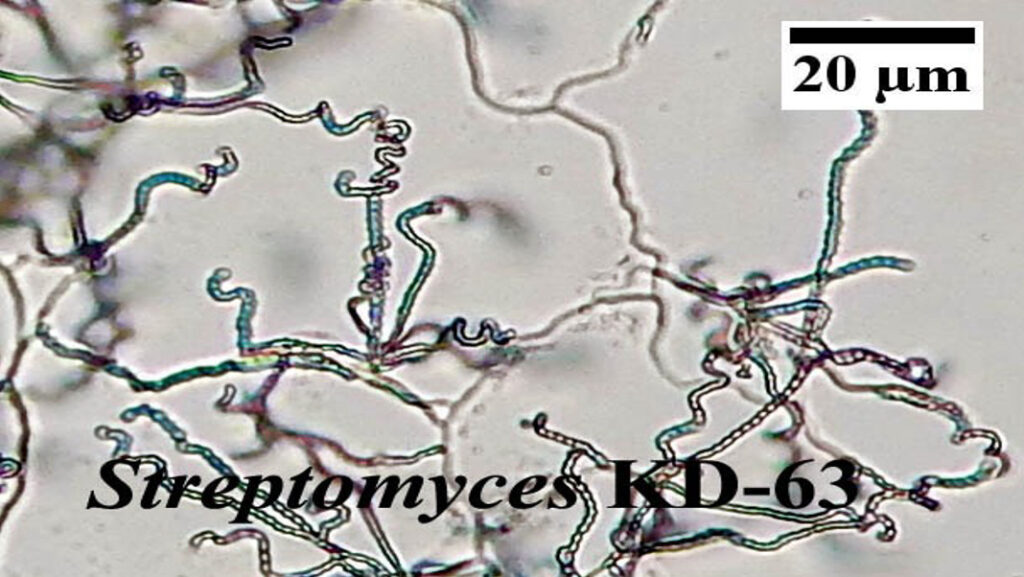
In their survey, researchers from Meghalaya and abroad isolated 48 strains of actinobacteria from Krem Dam sediments, most belonging to the Streptomyces genus. Many displayed antimicrobial activity against disease-causing bacteria and fungi, while others promoted plant growth—hinting at potential uses in both medicine and sustainable agriculture.
“Caves are emerging as evolutionary hotspots for microbes with solutions to some of our toughest challenges—from drug resistance to sustainable farming,” said the research team.
Genetic analysis showed nearly 80% of the strains carried biosynthetic gene clusters—the genetic blueprints microbes use to produce natural compounds such as antibiotics.
Predictions pointed to the potential for molecules like erythromycin, L-DOPA, and even fluorinated antibiotics—all valued for their applications in infection control, neurology, and cancer care.
In lab tests, several strains inhibited Staphylococcus aureus and Bacillus subtilis, while others suppressed fungal pathogens such as Candida. Remarkably, some microbes became more potent when grown in pairs, suggesting hidden metabolic pathways activated through microbial interaction.
“The cave’s microbial life is not just surviving—it is thriving by producing compounds with the power to save lives and protect crops,” the study noted.
Beyond drug discovery, two isolates—KD-21 and KD-29—significantly boosted tomato seedling growth under controlled conditions. These strains produced plant-friendly compounds such as indole-3-acetic acid (IAA), solubilised phosphate, and fixed nitrogen—traits that could make them natural biofertilizers.
“From antibiotics to biofertilizers, discoveries in Krem Dam show how nature’s hidden corners can drive healthcare innovation and eco-friendly farming,” said Associate Professor Debulman Syiemiong of St. Edmund’s College, Shillong, the corresponding author of the study.
“Our research shows that Krem Dam harbours unique bacteria that could help fight drug-resistant infections,” he added. “Some strains also act like natural fertilizers and crop defenders, opening the way for greener farming methods in ecologically sensitive regions like Northeast India.”
The study, published in Letters in Applied Microbiology, stresses that more work—particularly metabolomic profiling and large-scale trials—is needed to fully test the compounds.
But the early signs are promising.
As the world struggles with antibiotic resistance and the demand for sustainable farming solutions, Meghalaya’s caves may prove to be an unlikely yet powerful ally.
Also read: CID adds murder charges in Zubeen Garg case
Also Watch
Find latest news from every corner of Northeast India at hubnetwork.in, your online source for breaking news, video coverage.
Also, Follow us on-
Twitter-twitter.com/nemediahub
Youtube channel- www.youtube.com/@NortheastMediaHub2020
Instagram- www.instagram.com/ne_media_hub
Download our app from playstore – Northeast Media Hub