


ROOPAK GOSWAMI
SHILLONG, JULY 4: Meghalaya’s reputation as one of India’s biodiversity hotspots has received another boost, with scientists reporting five significant fungal discoveries from the state in the latest Botanical Discoveries of India-2025, including a new genus, two species new to science and two fungi recorded in India for the first time.
The findings underscore the largely unexplored fungal wealth of Meghalaya’s forests, particularly its bamboo and pine ecosystems. Botanical Discoveries of India is brought out by Botanical Survey of India.
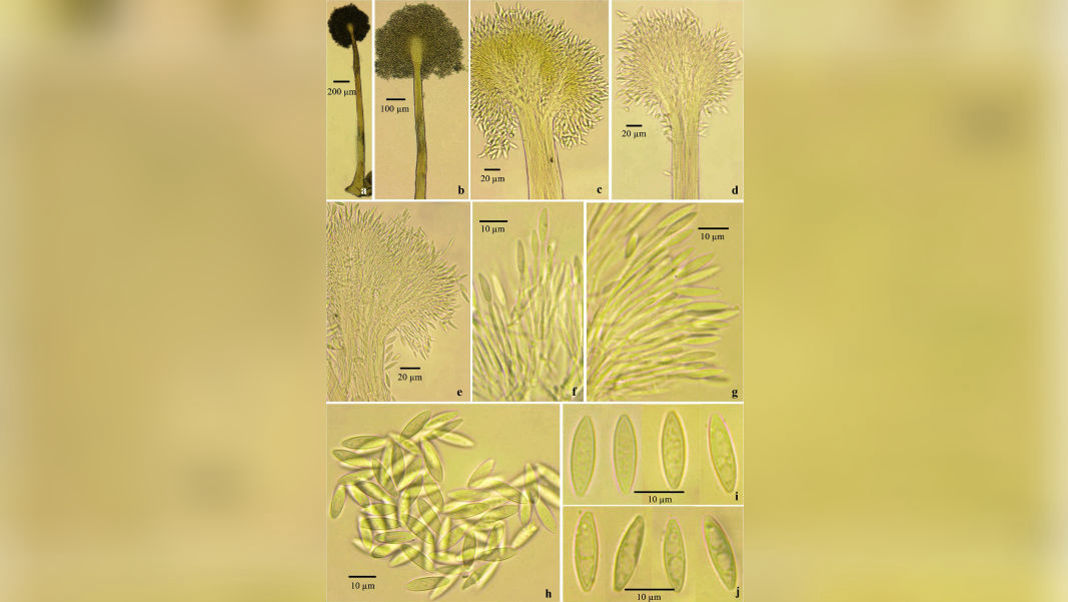
Among the most significant discoveries is Parasynnemellisia khasiana, a species that led to the establishment of an entirely new fungal genus, Parasynnemellisia, under the family Phaeosphaeriaceae. The fungus was discovered on decaying culms of the bamboo species Chimonocalamus griffithianus in Mawsynram during a field survey in July 2017.
Researchers say the discovery highlights the ecological importance of Meghalaya’s bamboo forests, which harbour specialised fungal communities that remain poorly documented. The state’s high rainfall, humidity and extensive bamboo cover create ideal conditions for such fungi to thrive, suggesting that many more species may still await discovery.
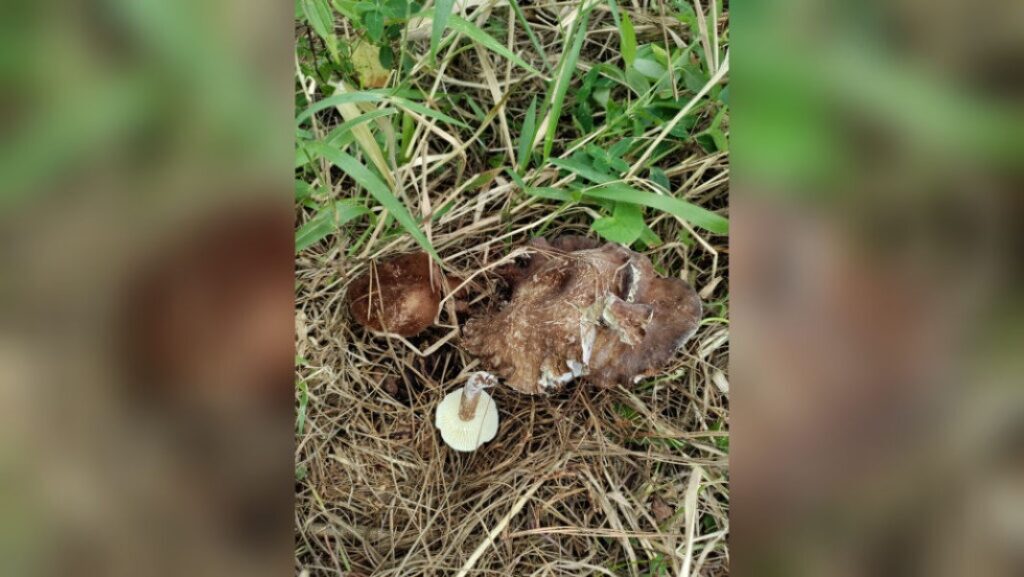
Another species new to science is Lactifluus khasianus, discovered from Kseh Pomaaro in East Khasi Hills district at an altitude of 1,646 metres. The mushroom, belonging to the Russulaceae family, is locally known as “Tit iongnah” and has been named after the Khasi Hills, where it was found.
Scientists note that the East Khasi Hills, part of the globally significant Indo-Burma biodiversity hotspot, are emerging as a treasure trove of fungal diversity. More than 34 species of Lactifluus have now been documented from India, with Meghalaya contributing substantially to this growing list.
Researchers also described Russula pseudovirescens, another new species discovered under Pinus kesiya forests at Umshing Mawkynroh in East Khasi Hills district. The species was named for its resemblance to Russula virescens.
In addition, Meghalaya has yielded two fungi that have now been recorded from India for the first time.

The mushroom Lactarius hatsudake, previously known only from Japan, was collected from Nonglum in Ri-Bhoi district and Upper Shillong in East Khasi Hills. Another species, Multifurca pseudofurcata, was documented from the Rhododendron Trek area near Shillong under Pinus kesiya forests.
The discoveries come as India continues to reveal its rich fungal diversity. According to the latest data, the country has around 16,079 known fungal species, accounting for nearly 28.5 per cent of the nation’s total plant diversity. During 2025, scientists described three new fungal genera and 57 new species from across the country.
Fungi play a vital role in forest ecosystems by decomposing dead organic matter and recycling nutrients. They are also important sources of food, fermentation products and medicines, including antibiotics.
Scientists believe the latest discoveries from Meghalaya are only the tip of the iceberg and reinforce the need for further exploration and conservation of the state’s unique and little-known fungal diversity
Also Read: NEHU Tura staff suspend agitation
Also Watch
Find latest news from every corner of Northeast India at hubnetwork.in, your online source for breaking news, video coverage.
Also, Follow us on
Twitter-twitter.com/nemediahub
Youtube channel- www.youtube.com/@NortheastMediaHub2020
Instagram- www.instagram.com/ne_media_hub
Download our app from playstore – Northeast Media Hub