

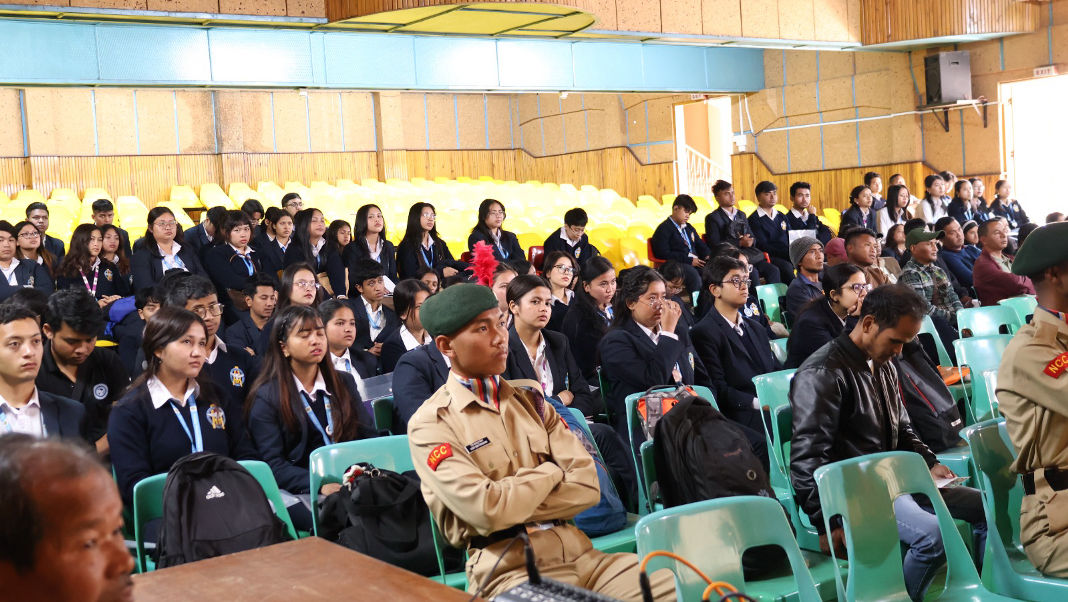

Shillong, March 20: In a push to bring young voices into the heart of governance, the Meghalaya government has launched the Young People’s Action Group (YPAG)—a platform aimed at positioning youth as active partners in policymaking rather than passive stakeholders.
The initiative, rolled out in collaboration with UNICEF India and the Centre for Policy on March 19, seeks to build youth capacity in research, advocacy, and leadership, while enabling their direct engagement in shaping policies across sectors such as climate resilience, health, education, and community development.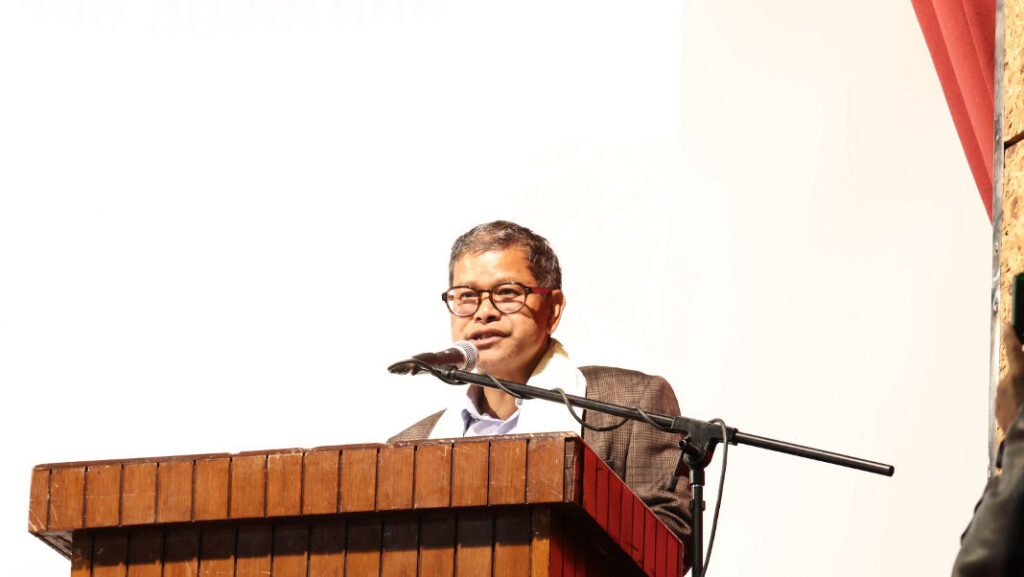
Launching the programme, Education Minister Lahkmen Rymbui underlined the urgency of integrating youth into the state’s development agenda, particularly in the face of climate challenges.
“Climate change and development must be addressed together. Young people have a critical role in identifying solutions and driving sustainable development,” he said, adding that initiatives like YPAG aim to make youth more resilient and economically productive.
Aligned with the Meghalaya Youth Policy 2021, YPAG is designed as a structured mechanism to move beyond consultation and enable young people to co-create solutions—especially focusing on rural, ttribalal and vulnerable communities.
UNICEF’s Chief of Field Office for the Northeast, Dr Madhulika Jonathan, described the initiative as a shift in approach. “Solutions are most effective when shaped by lived experiences. YPAG moves from listening to young people to working alongside them,” she said.
The programme is being supported under the World Bank-backed MPOWER (Meghalaya Multisectoral Programme for Adolescent Wellbeing, Empowerment and Resilience) initiative, which focuses on improving adolescent wellbeing and future readiness through a multi-sectoral strategy.
MPOWER Team Lead Grazeldiz Lyngdoh said YPAG would help operationalise the state’s youth policy by embedding youth participation within governance systems. “It enables young people to generate real-time insights and contribute meaningfully to policy and programme design,” she noted.
The launch event also featured a panel discussion on youth-led climate action, bringing together policymakers, researchers and students.
Key concerns raised included deforestation, erratic rainfall and rising climate vulnerabilities, particularly affecting women, children and marginalised communities.
Panellists stressed the need for stronger community-driven responses and institutional mechanisms to ensure youth voices are reflected in decision-making.
Going forward, YPAG will conduct consultations, surveys and field-based research to generate youth-led insights that feed into state planning processes.
Officials said the model could evolve into a scalable framework for participatory governance across sectors.