

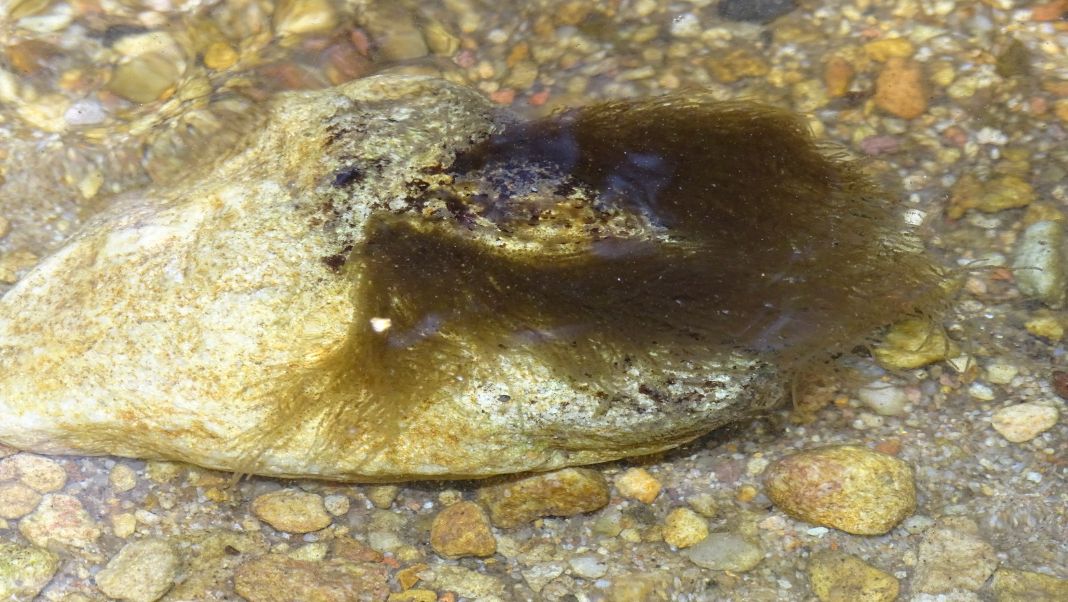

Scientists say the first-ever record of the freshwater red algae genus Sheathia in Meghalaya underscores the state’s rich but fragile aquatic biodiversity
ROOPAK GOSWAMI
SHILLONG, July 10: A pristine stream tucked away near Crinoline Waterfalls in East Khasi Hills has yielded a remarkable discovery—a new species of freshwater red algae found nowhere else in the world. But even before the scientific community could celebrate, researchers have warned that the species is already on the brink of extinction.
Named Sheathia meghalayensis after the state where it was discovered, the new species has been described by U. Elaya Perumal of the Central National Herbarium, Botanical Survey of India (Howrah), and M. Palanisamy of the Botanical Survey of India’s Southern Regional Centre, Coimbatore, in the latest issue of Current Science.
The discovery adds another unique species to Meghalaya’s growing list of endemic flora and fauna, reinforcing the state’s reputation as one of India’s richest biodiversity hotspots.
The discovery came during a 2024 field survey across Meghalaya aimed at documenting freshwater red algae—a little-known group of organisms that had remained largely unexplored in the state. The survey recorded five species, but one specimen collected from the stream near Crinoline Waterfalls in Shillong turned out to be entirely new to science.
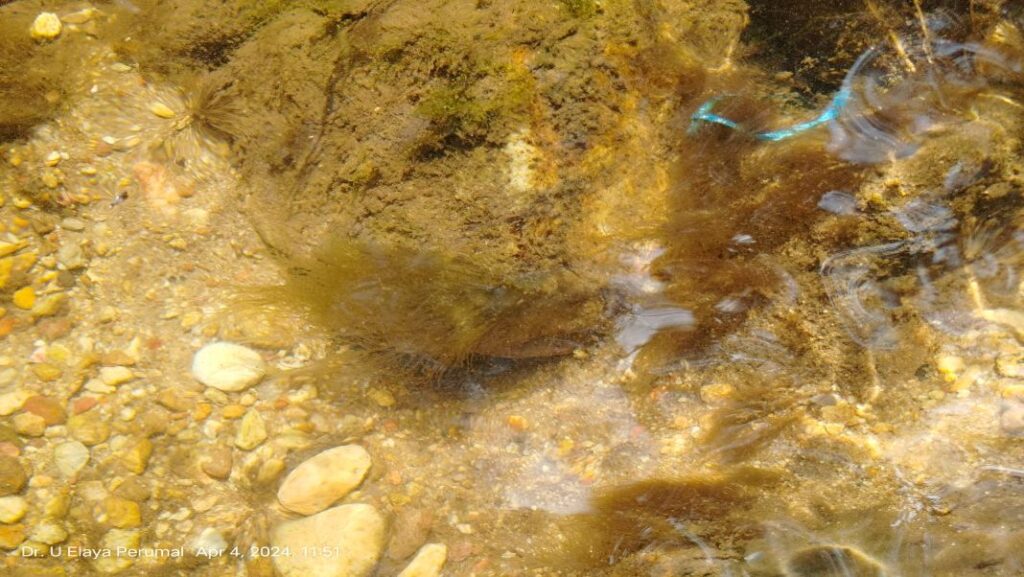
Researchers found the algae growing on submerged rocks in a cool, crystal-clear stream nearly 1,600 metres above sea level. Such algae thrive only in clean, oxygen-rich freshwater, making them important indicators of healthy river ecosystems.
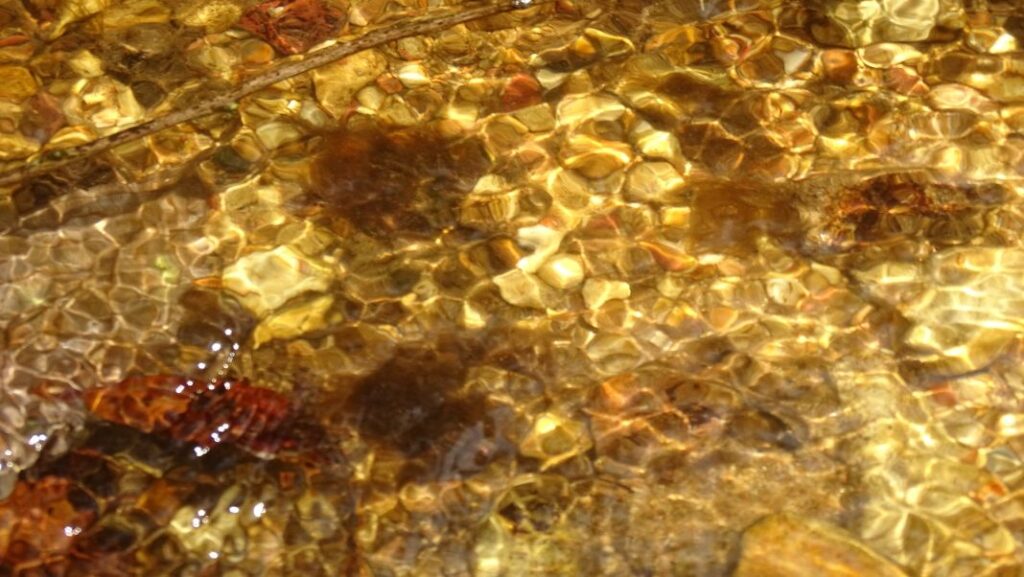
But the excitement surrounding the discovery is tempered by deep concern. Highlighting both the significance and the extreme vulnerability of the find, Perumal explained that freshwater red algae are among the most sensitive organisms in aquatic ecosystems.
”Freshwater red algae are highly sensitive organisms that act as critical bioindicators of pristine, undisturbed aquatic ecosystems. Previously, only two species of Sheathia (Sheathia indonepalensis and Sheathia assamica) had been discovered from the Northeast, both in Assam, making our recent discovery the first formal report of this entire genus from Meghalaya,” he said.

”The discovery of Sheathia meghalayensis in the Malki region’s stream system underscores the rich, yet fragile, hidden aquatic biodiversity of the state. Documenting these microendemic species is the first critical step toward protecting the unique waterbodies of Northeast India before they are permanently impacted by environmental changes or anthropogenic activities,” he added.
The researchers have proposed that Sheathia meghalayensis be classified as Critically Endangered, noting that it is known from only a single location in Meghalaya, occupies an estimated area of just four square kilometres and has fewer than 100 mature individuals. The study identifies unregulated tourism, upstream domestic activities and local habitat disturbances as the major threats to its survival.
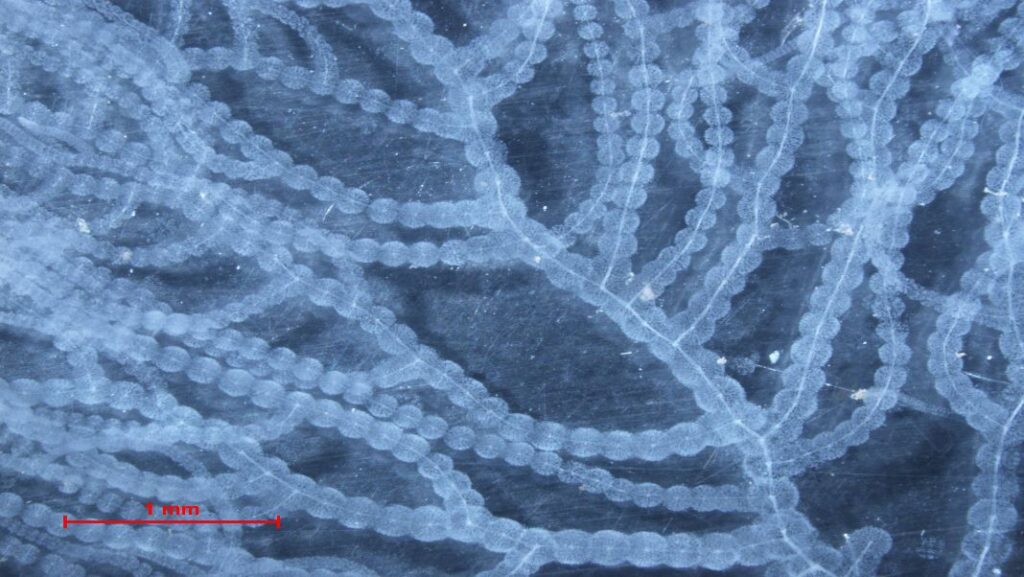
The finding is also significant because Meghalaya had very few documented records of freshwater red algae before this survey. Scientists say the discovery suggests that many more undiscovered species could still be hidden in the state’s mountain streams and rivers, waiting to be documented.
Beyond its ecological significance, the new species could also hold promise for medicine and industry.
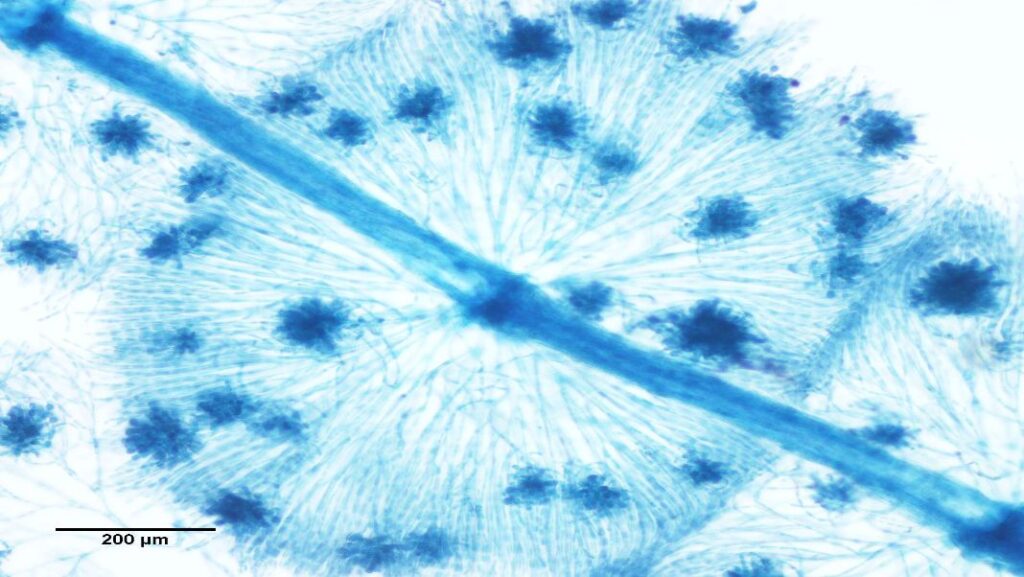
According to the researchers, freshwater red algae are known to produce bioactive compounds with antiviral, antioxidant, anti-inflammatory and anti-tumour properties. Members of this group are also valued for compounds used in pharmaceuticals, nutrition and biotechnology, raising the possibility that Sheathia meghalayensis could have future economic and scientific value if studied further.
The researchers have urged immediate conservation measures, including protecting the stream habitat, carrying out more surveys across Meghalaya to locate additional populations and establishing cultivation and germplasm repositories to safeguard the species.
The discovery serves as another reminder of Meghalaya’s extraordinary natural wealth. In recent years, the state has witnessed the discovery of several new plants, amphibians, reptiles and insects. Scientists say Sheathia meghalayensis is yet another example of how the state’s forests, caves and freshwater ecosystems continue to reveal species unknown to science, while also underscoring the need to protect these fragile habitats before they are lost.
Also read: HSPDP to remain neutral in Shillong byelection, will not support UDP candidate
Also Watch
Find latest news from every corner of Northeast India at hubnetwork.in, your online source for breaking news, video coverage.
Also, Follow us on
Twitter-twitter.com/nemediahub
Youtube channel- www.youtube.com/@NortheastMediaHub2020
Instagram- www.instagram.com/ne_media_hub
Download our app from playstore – Northeast Media Hub