



ROOPAK GOSWAMI
Shillong, Jan 15: In a significant botanical discovery, scientists have recorded Bulbophyllum stocksii—a rare orchid species earlier believed to be restricted to the Western Ghats—in Meghalaya, marking its first confirmed record from Northeast India.
The finding underscores Meghalaya’s growing importance as a biodiversity hotspot and adds a new chapter to the region’s rich orchid heritage.
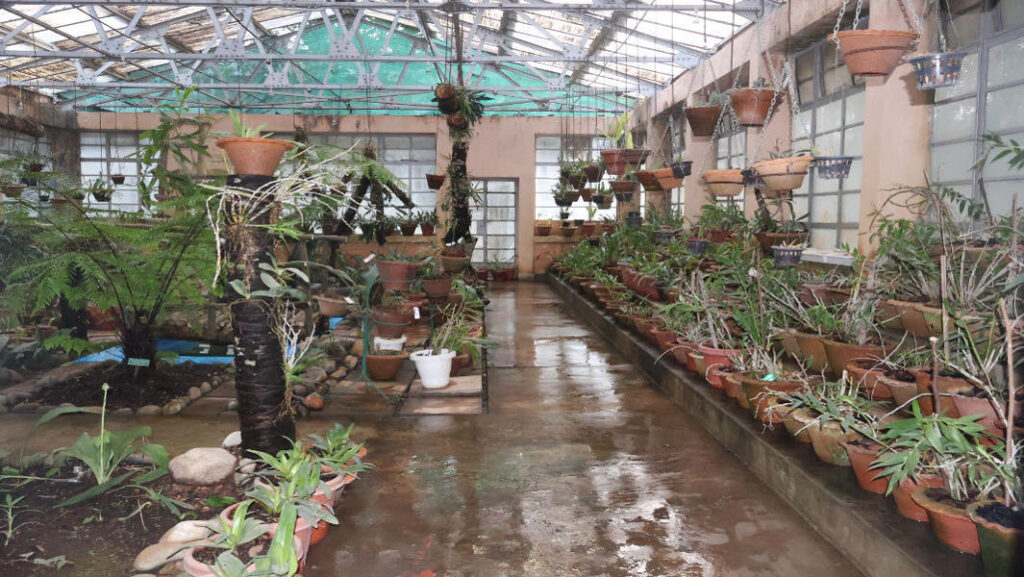
The breakthrough came when scientists stumbled upon an unusual orchid during phenological studies at the National Orchidarium in Shillong, under the Botanical Survey of India’s Eastern Regional Centre. The specimen, originally collected from the Garo Hills of Meghalaya, drew attention for its distinctive floral traits.
A research team comprising Y. Mahesh, R. Kottaimuthu, and N. Odyuo later confirmed its identity through detailed morphological analysis and comparison with existing scientific literature. Their findings have been published in the peer-reviewed journal Plant Archives.
India’s orchid diversity is largely concentrated in the Northeast and the Western Ghats, a pattern shaped by varied terrain, favourable climate, and a wide range of altitudes that together create ideal conditions for orchid growth. Northeastern India—part of the Himalaya and Indo-Burma biodiversity hotspots—is home to around 876 orchid species across 151 genera, accounting for nearly 70 per cent of the country’s orchid wealth.
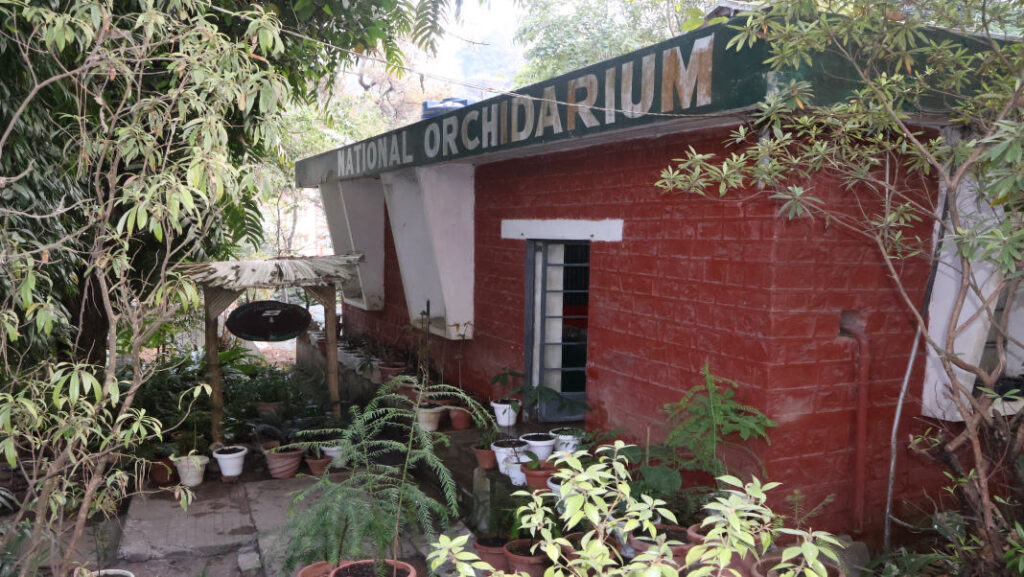
Established in 1959, the National Orchidarium of BSI’s Eastern Regional Centre in Shillong was created to consolidate and conserve the orchid wealth of Northeast India for present and future research. Today, it houses around 400 orchid species, making it one of the region’s most important living repositories.
What makes the new record particularly striking is that Bulbophyllum stocksii has long been regarded as a strict endemic of the Western Ghats, with confirmed occurrences limited to Kerala, Karnataka, Maharashtra, and Tamil Nadu. Earlier reports suggesting its presence in the Northeast were later dismissed as cases of misidentification.
The Meghalaya specimen, therefore, provides the first authentic evidence of the species’ occurrence in Northeast India, lending it considerable phytogeographical significance.
A small epiphytic orchid, Bulbophyllum stocksii is characterised by dark olive-green pseudobulbs and a triangular flower marked by purple and chrome-yellow hues. It typically flowers between January and February. The specimen from Meghalaya was collected at an elevation of about 1,484 metres in the East Khasi Hills region.
Researchers say the discovery reinforces the need for continued botanical exploration and conservation in Meghalaya.
As habitat loss and climate pressures intensify, such findings also highlight the urgency of protecting forest ecosystems that continue to yield hidden biological treasures.
“This new record not only expands the known distribution of Bulbophyllum stocksii but also reaffirms Northeast India’s role as a reservoir of undocumented plant diversity,” the authors note in the study.
Also Read: Complaint filed against Pasyih Toll Plaza tax collection
Also Watch
Find latest news from every corner of Northeast India at hubnetwork.in, your online source for breaking news, video coverage.
Also, Follow us on-
Twitter-twitter.com/nemediahub
Youtube channel- www.youtube.com/@NortheastMediaHub2020
Instagram- www.instagram.com/ne_media_hub
Download our app from playstore – Northeast Media Hub