


Shillong, July 18: In a first-of-its-kind scientific study, researchers from the University of Science and Technology, Meghalaya, have decoded the biochemical and therapeutic properties of Opo, the traditional rice wine brewed by the Nyishi tribe of Arunachal Pradesh.
Rice wine is a traditional alcoholic beverage of the Nyishi tribe of Arunachal Pradesh, prepared using ‘Opo,’ a traditional starter culture passed down through generations.
The study published in Indian Journal of Traditional Knowledge investigates the biochemical significance of different rice wine varieties, focusing on their mineral content, bioactive components, and physicochemical properties. Rice wine, also known as “Opo” in Nyishi, is a traditional alcoholic beverage made from fermenting rice.
It is considered sacred by the Nyishi people and is a significant part of their culture. The art of producing rice wine has been passed down through generations, preserving its unique flavor and brewing techniques.
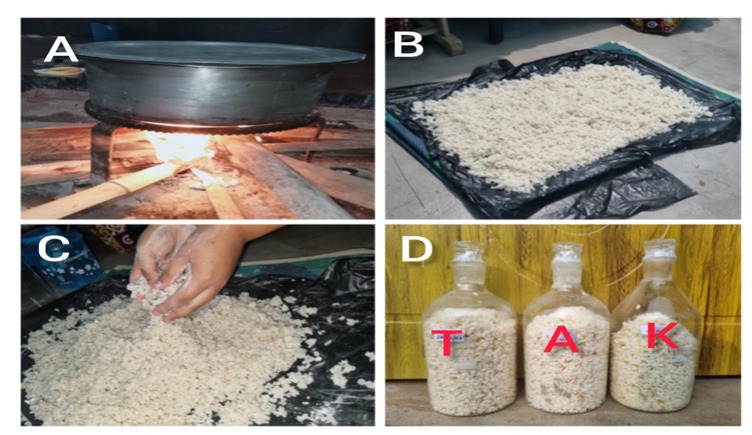
The study, rooted in Arunachal tribal culture, aims to raise scientific awareness by quantifying bioactive compounds in traditionally made rice wine. Led by Sony Kumari, Tarh Ama, Pranab Jyoti Koch, and Rahel Debbarma, the research investigates how different indigenous starter cultures—Tisar, Kecha, and Adak—influence the alcohol content and antioxidant potential of Opo. While Tisar starter culture produced the strongest wine with 4.59% alcohol, Kecha-fermented wine topped the chart for total phenolic and flavonoid content.
Surprisingly, it was Tisar wine that showed the most potent antioxidant activity, suggesting the presence of other powerful bioactive compounds beyond the usual suspects. Using Gas Chromatography-Mass Spectrometry (GC-MS), the team identified key bioactive components including methyl α-D-glucopyranoside, glycerin, hexadecanoic acid methyl ester, and propanal derivatives—compounds known for their antioxidant and therapeutic properties. However, the study also issues a cautionary note: overconsumption could lead to lipotoxicity or metabolic imbalances, underscoring the need for moderation even with traditional brews.
“Opo isn’t just a cultural drink—it’s a biochemical treasure,” said lead researcher Sony Kumari. “This study opens doors to further exploration of tribal fermentation science and its relevance to modern nutraceutical research.”
Researchers associated with the study say even if the practice is waning and encountering challenges, there is scope for scientific advancement and commercialization of these traditional drinks. Future research can focus on the standardization of fermentation techniques, enhancement of probiotic potential, and evaluation of the health benefits of Opo.
The researchers advocate exploring ways to commercialize and promote these traditional beverages while preserving indigenous knowledge can open new economic opportunities for local communities.
Also Read: MoS Gurjar lauds East Khasi Hills for effective implementation of Central schemes
Also Watch
Find latest news from every corner of Northeast India at hubnetwork.in, your online source for breaking news, video coverage.
Also, Follow us on-
Twitter-twitter.com/nemediahub
Youtube channel- www.youtube.com/@NortheastMediaHub2020
Instagram- www.instagram.com/ne_media_hub
Download our app from playstore – Northeast Media Hub