


New study identifies the city’s parks, campuses and graveyards as vital carbon sinks and biodiversity refuges in the fight against climate change.
ROOPAK GOSWAMI
SHILLONG, July 26: The next time you walk around Ward’s Lake or tee off at Shillong Golf Course, you may be standing in one of Meghalaya’s most effective weapons against climate change.
A new study has found that Shillong’s parks, college campuses and even graveyards are quietly storing thousands of tonnes of carbon while providing refuge to more than 140 tree species, including several that are threatened in the wild.
Published in the Arboricultural Journal, the study highlights how the city’s urban green spaces are doing far more than beautifying Shillong. They are acting as carbon sinks, biodiversity hotspots and natural buffers against the impacts of rapid urbanisation and climate change.
Researchers documented 142 tree species belonging to 43 families across eight urban green spaces, including Ward’s Lake, Lady Hydari Park, Shillong Golf Course, the Mini Hydel Project, St Edmund’s College, Seng Khasi College, Lawmali Graveyard and Mawlai Graveyard. Ward’s Lake emerged as the richest site, with 85 plant species, making it one of the city’s most diverse urban forests.
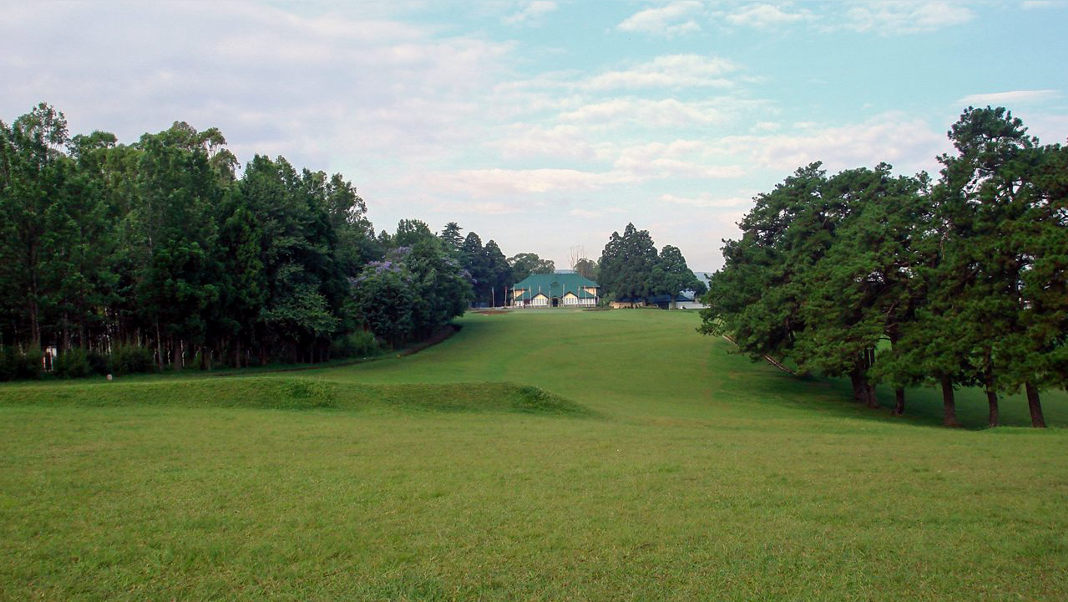
Among the biggest surprises was the ecological importance of Shillong Golf Course. While known as one of the country’s oldest golf courses, it also turned out to be Shillong’s largest urban carbon sink. The study estimates it stores 276.11 tonnes of carbon per hectare, equivalent to over 1,013 tonnes of carbon dioxide, the highest among all the sites surveyed. Ward’s Lake, St Edmund’s College and Lawmali Graveyard also recorded substantial carbon stocks.
The researchers found that the familiar Khasi pine (Pinus kesiya) dominates much of Shillong’s urban landscape and contributes the largest share of carbon storage. Another iconic species, the wild Himalayan cherry (Prunus cerasoides), known for painting the city pink during autumn, was identified as one of the most ecologically important trees across several sites.
The study also points to the unexpected conservation value of Shillong’s urban spaces. Several endangered, vulnerable and near-threatened plant species were recorded, particularly in Ward’s Lake and St Edmund’s College, suggesting that these green pockets are serving as safe havens for species under pressure elsewhere.
Even the city’s historic graveyards have an important ecological role. Lawmali and Mawlai graveyards were found to preserve mature native trees while storing significant amounts of carbon, underscoring how overlooked urban spaces can contribute to biodiversity conservation and climate resilience. Beyond absorbing carbon, Shillong’s urban forests support a range of ecosystem services.
The study found many tree species provide timber, fruits and medicinal resources, while also improving air quality, cooling neighbourhoods, reducing the urban heat island effect and providing habitat for birds and other wildlife. The findings come at a time when Meghalaya has lost more than 84 sq km of forest cover between 2021 and 2023, making the conservation of urban green spaces increasingly important.
The authors argue that parks, institutional campuses and other green pockets should be treated as essential urban infrastructure rather than merely recreational spaces. Expanding and protecting these areas, they say, will be critical for making Shillong more resilient to climate change.
The study, “Urban Green Spaces as Hubs for Biodiversity Conservation, Ecosystem Services, and Carbon Storage: Evidence from Shillong, India,” was authored by Tariang Andreana, Prof. Uttam Kumar Sahoo of Mizoram University, and Faisal Ismail Musa of the University of Blue Nile, Sudan, who is also a PhD scholar at Mizoram University.
Also Read: Youth-led peace march in Tura calls for education reform, accountability
Also Watch
Find latest news from every corner of Northeast India at hubnetwork.in, your online source for breaking news, video coverage.
Also, Follow us on
Twitter-twitter.com/nemediahub
Youtube channel- www.youtube.com/@NortheastMediaHub2020
Instagram- www.instagram.com/ne_media_hub
Download our app from playstore – Northeast Media Hub