


ROOPAK GOSWAMI
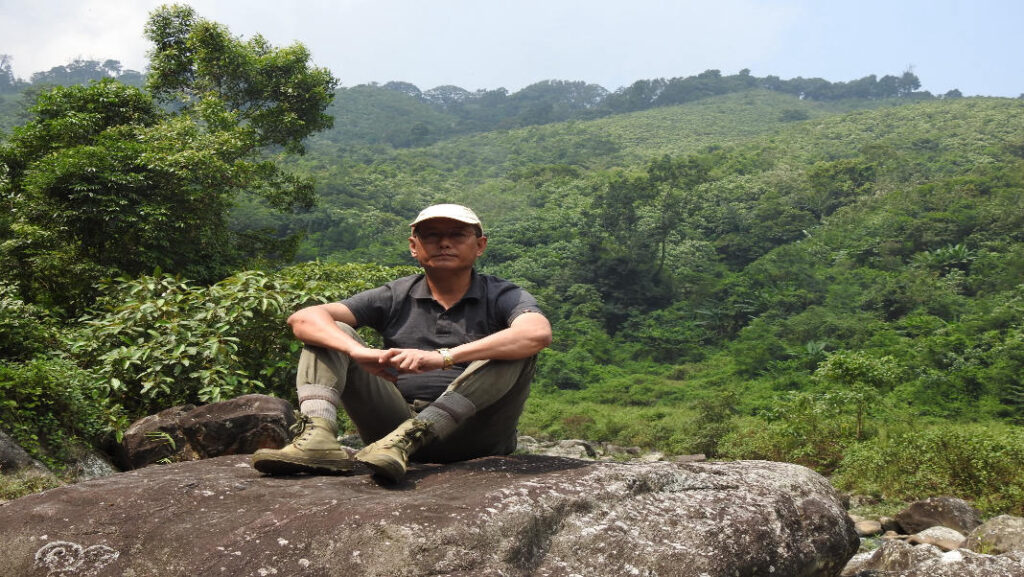
Shillong, Feb 17: In a remarkable botanical breakthrough for Meghalaya, a rare orchid unseen in the state for 127 years has bloomed again — thanks to the patient fieldwork of Dr N. Odyuo of the Botanical Survey of India (BSI), Eastern Regional Centre, Shillong.
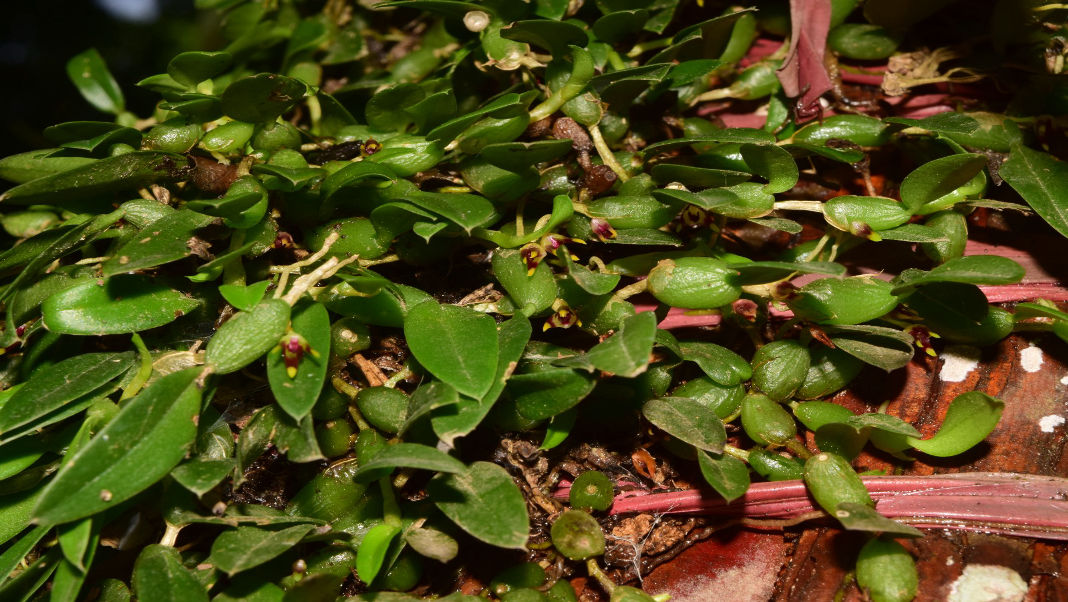
The orchid, Bulbophyllum depressum, was first collected in 1897 from the Jaintia Hills by British botanist R. Pantling. Since then, despite decades of botanical surveys across Meghalaya’s hill ranges, the species had never been recorded again. Its existence in the state survived only in herbarium sheets and scientific literature.
That changed when Dr Odyuo collected a few vegetative specimens during a field exploration in Mawkyrwat, South West Khasi Hills, in 2018. The plants were carefully brought to the BSI Woodland Campus Garden in Shillong for cultivation. Years later, when the orchids finally flowered in 2024 and 2025, detailed examination confirmed what few expected — the long-lost Bulbophyllum depressum was still alive in Meghalaya.
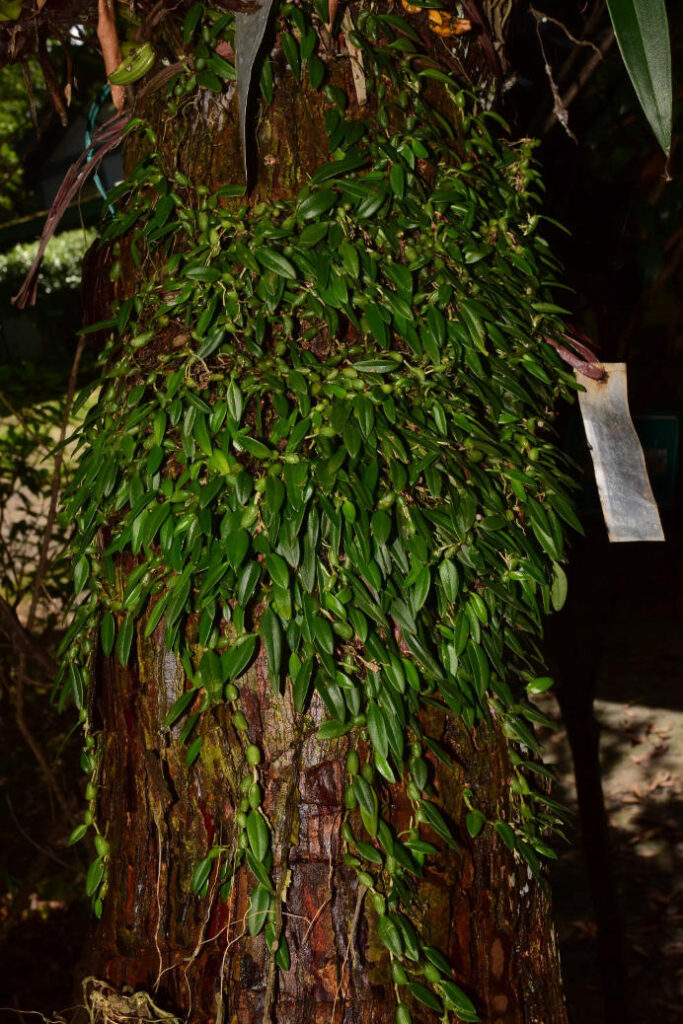
The rediscovery, now documented in a scientific publication, marks the first confirmed record of the species in Meghalaya since the 19th century.
For Dr Odyuo, who has been serving at BSI Shillong since 2002 and is currently Head of Office and Scientist ‘E’, the rediscovery reflects decades of dedication to plant exploration and taxonomy. Often working quietly behind the scenes, he has conducted numerous plant surveys across Northeast India, collecting and conserving hundreds of species.
Under his stewardship, the Woodland Campus Garden and National Orchidarium at BSI Shillong have grown into one of Northeast India’s most important conservation centres. The garden now houses over 250 orchid species, along with many rare, endangered and threatened (RET) plants.
Several new plant discoveries — including Aspidistra pangtiensis, Peliosanthes nagalandensis, Peliosanthes tobuensis, Rohdea extrorsandra, Zingiber dimapurense, and Zingiber perenense — are based largely on his field collections and are conserved at the ERC garden.
The rediscovery of Bulbophyllum depressum carries more than scientific significance. Listed under CITES Appendix II, the orchid has a restricted distribution in India and had not been recollected in Meghalaya despite repeated surveys over the decades
Its reappearance underscores the ecological richness of Meghalaya’s forests — and the importance of sustained botanical exploration.
At a time when habitat pressures are mounting, the story of this orchid’s return is also a reminder: Meghalaya’s hills still hold secrets waiting to bloom — if someone is patient enough to look for them.
Also Read: Assembly Speaker bars debate on mine blast, citing sub judice rule
Also Watch
Find latest news from every corner of Northeast India at hubnetwork.in, your online source for breaking news, video coverage.
Also, Follow us on
Twitter-twitter.com/nemediahub
Youtube channel- www.youtube.com/@NortheastMediaHub2020
Instagram- www.instagram.com/ne_media_hub
Download our app from playstore – Northeast Media Hub

, Eastern Regional Centre, Shillong.)