

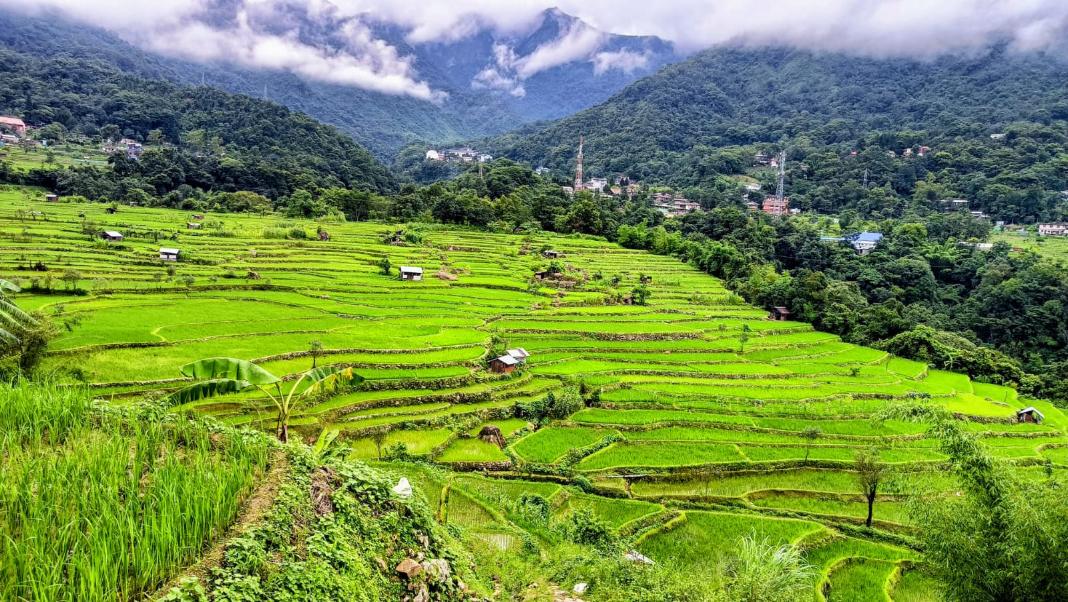

Guwahati, June 15: A new study by Nagaland University has highlighted how indigenous knowledge systems continue to sustain the centuries-old terrace farming practices of the Angami Naga community, offering important lessons for climate-resilient agriculture, food security, and sustainable development.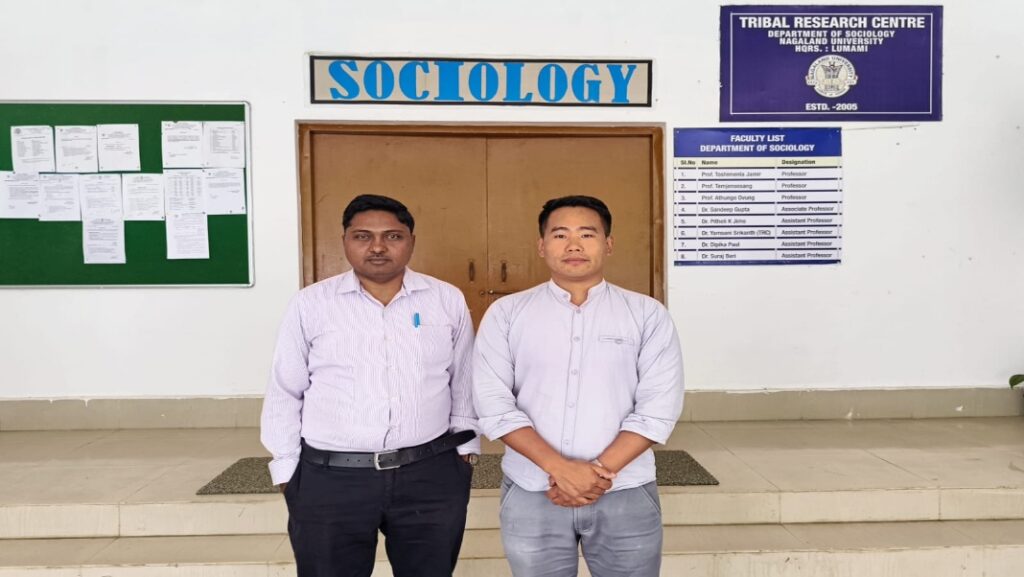
The research, conducted by scholar Ketekhoto Neihu under the supervision of Srikanth Yamsani, found that Angami farmers rely on a sophisticated blend of ecological knowledge, community cooperation, and cultural traditions to manage soil, water, and agricultural productivity in Nagaland’s hill landscapes.
Published in the journal Studies of Tribes and Tribals, the study moves beyond the technical aspects of terrace cultivation to examine the social, cultural, and ecological systems that have enabled the practice to endure for generations.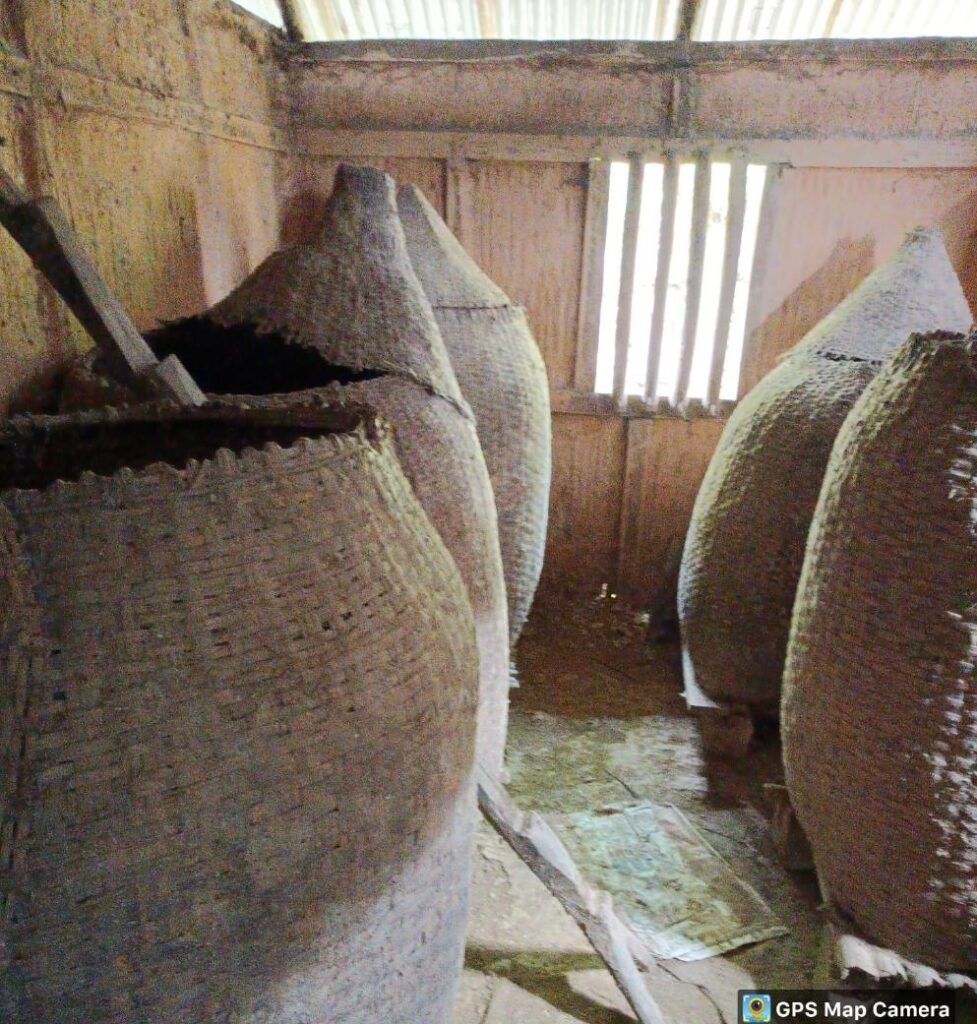
The findings reveal that Angami farmers continue to make agricultural decisions based on natural indicators such as flowering patterns of plants, bird behaviour, and insect activity. These traditional ecological cues guide planting, transplanting, and harvesting cycles, demonstrating a deep understanding of local environmental conditions.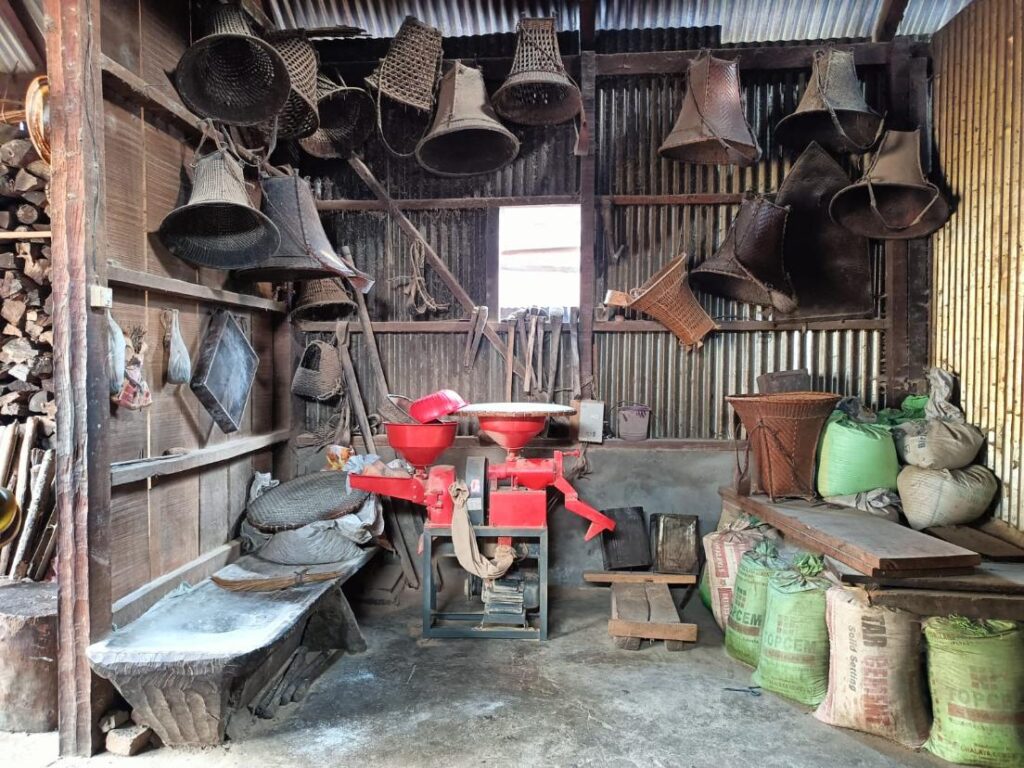
Researchers noted that terrace farms are constructed using traditional techniques that minimise soil erosion and optimise water use. The continued reliance on organic inputs instead of chemical fertilisers also reflects long-standing efforts to maintain environmental and human health.
According to the study, agriculture among the Angami Nagas is deeply embedded in cultural and social life rather than being solely an economic activity. The researchers argue that this integration has strengthened community resilience and contributed to the long-term sustainability of the farming system.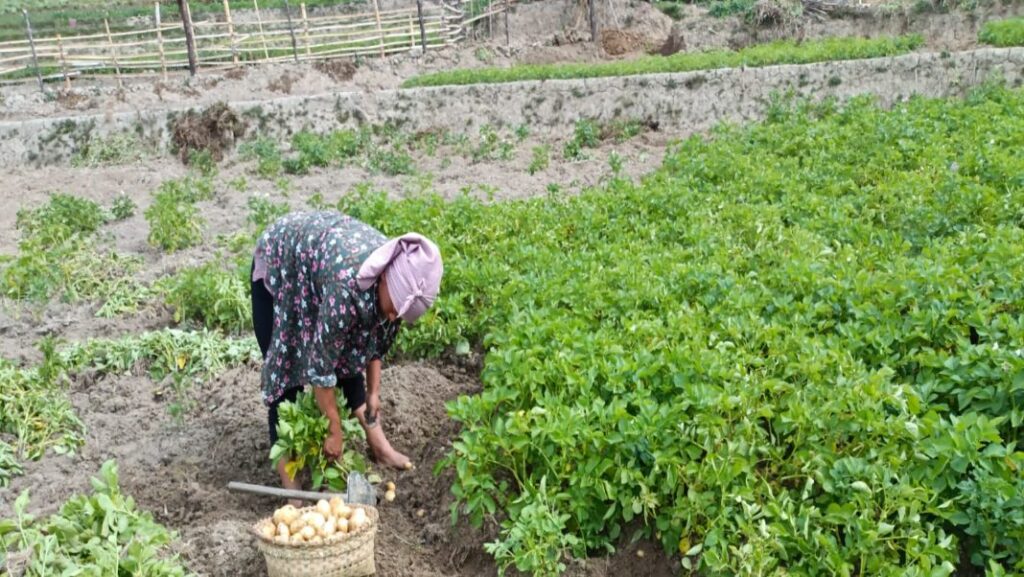
Vice-Chancellor Jagadish Kumar Patnaik said the research demonstrates how traditional wisdom continues to support agricultural productivity and ecological balance. He noted that the sustainability of Angami terrace cultivation rests on the harmonious integration of ecological practices, social cooperation, and cultural values.
Patnaik said the findings are particularly relevant at a time when governments and researchers worldwide are searching for sustainable and climate-resilient agricultural models. He added that the study underscores the importance of documenting and preserving indigenous knowledge systems.
Lead researcher Yamsani said the study also highlights emerging challenges, including changing rainfall patterns and increasing climate variability. However, he stressed that indigenous knowledge systems possess significant adaptive capacity and can play an important role in responding to environmental change.

The researchers believe the findings could inform policies aimed at strengthening food security and sustainable agriculture while ensuring that development interventions do not undermine culturally sensitive farming traditions.
The study adds to growing evidence that indigenous agricultural knowledge remains a living and dynamic system, offering practical solutions for balancing productivity, environmental stewardship, and community well-being in a changing climate.
Also Read: CBI arrests NF Railway engineer for taking Rs 20,000 bribe in Assam
Also Watch
Find latest news from every corner of Northeast India at hubnetwork.in, your online source for breaking news, video coverage.
Also, Follow us on
Twitter-twitter.com/nemediahub
Youtube channel- www.youtube.com/@NortheastMediaHub2020
Instagram- www.instagram.com/ne_media_hub
Download our app from playstore – Northeast Media Hub