

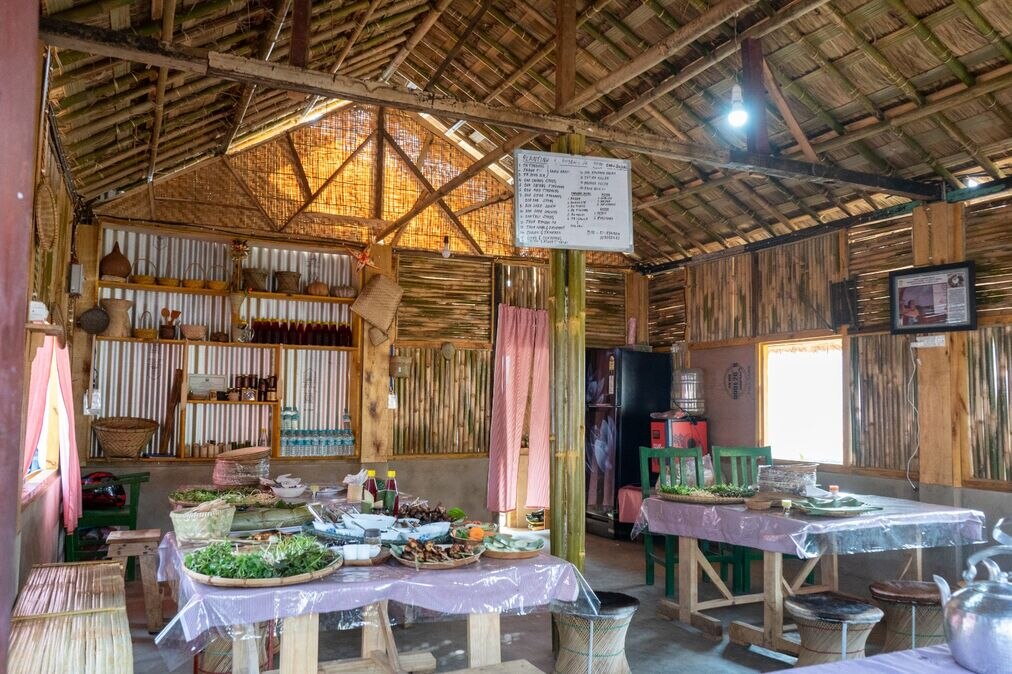

Shillong, May 27: In the lush hills of Meghalaya, a quiet culinary revolution is taking root. Rural restaurants, known as Mei-Ramew Cafés, are celebrating indigenous cuisine while breathing life back into endangered crops and traditional food practices.
Mei-Ramew, meaning “Mother Earth” in Khasi, is more than a name—it’s a philosophy. These cafés, supported by the North East Society for Agroecology Support (NESFAS), are part of a growing movement to promote agrobiodiversity and sustainable food systems. By using native ingredients in creative, contemporary ways, they are helping communities reconnect with their land, culture, and food heritage.
A Growing Demand
As awareness spreads, there’s a rising demand for Mei-Ramew Cafés across Meghalaya. Recognizing this momentum, NESFAS has recently facilitated the formation of Primary Agroecology Cooperative Societies in 19 villages, particularly to foster nature-based, sustainable livelihoods among marginalized communities.
These cooperatives are made up of local farmers—many of whom were already part of the Agroecology Learning Circles, grassroots groups dedicated to preserving indigenous farming systems. With NESFAS’s support, they’ve now registered as formal cooperatives, enabling them to scale up efforts and ensure the long-term sustainability of their work.
Several of these cooperatives, particularly in the Sohra and Garo Hills regions, have begun replicating the Mei-Ramew Café model, bringing indigenous food to more villages while creating new livelihood opportunities rooted in local knowledge and biodiversity.
From Kitchen to Community
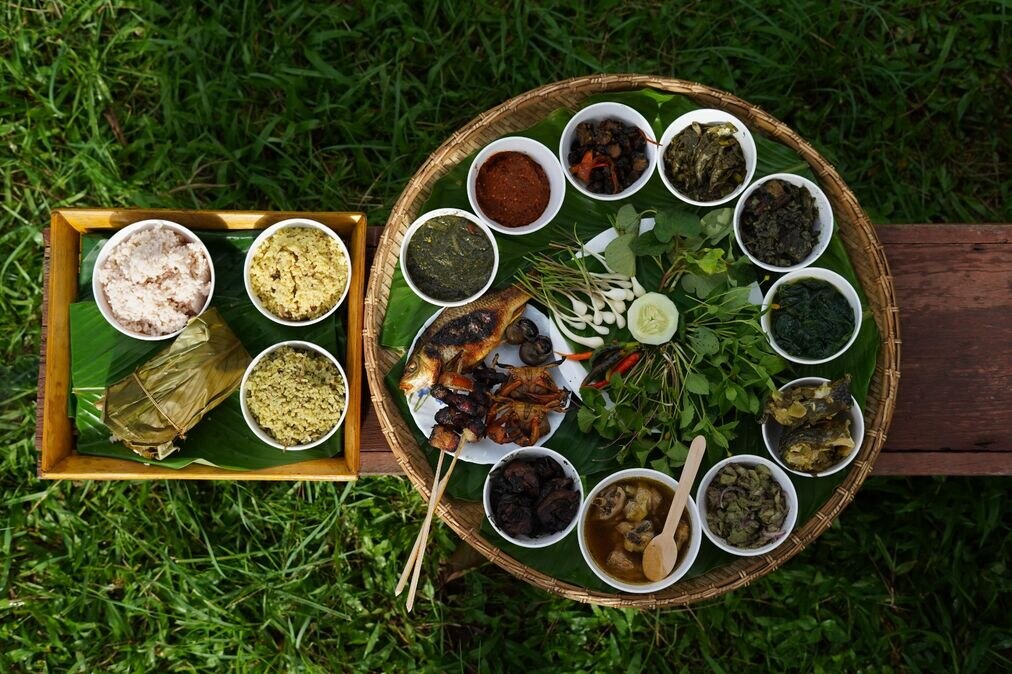
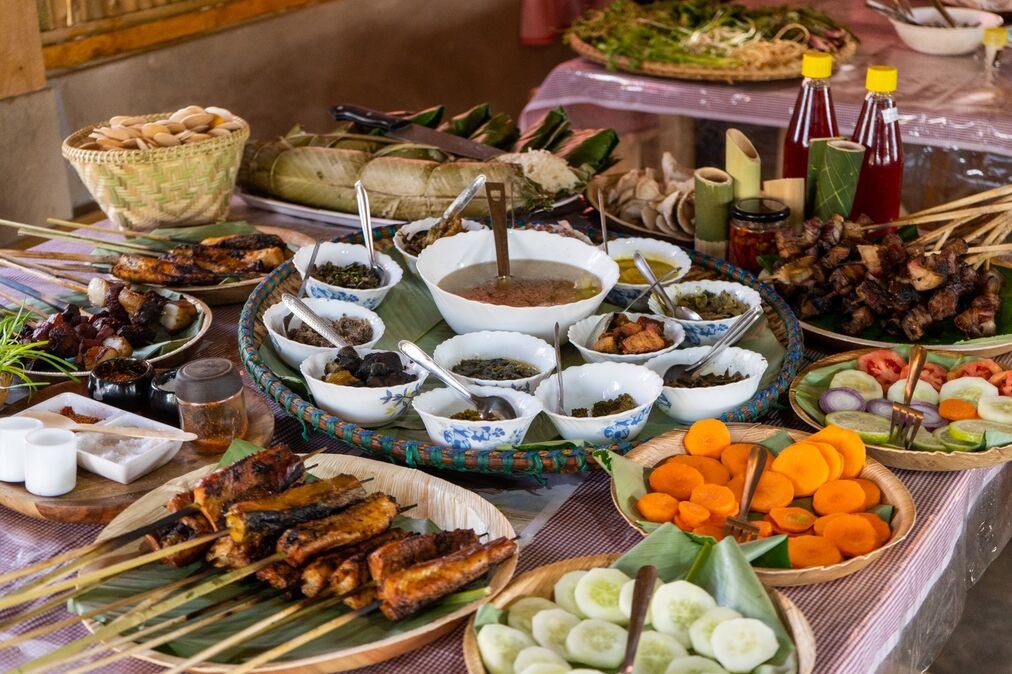
In Khweng village, Ri-Bhoi district, two women—Kong Plantina Kharmujai and Kong Dial Muktieh—have turned their love for traditional food into thriving café businesses. Their menus feature red Khasi rice, bamboo-cooked meats, wild greens, and other native ingredients, all sourced directly from local farmers and foragers.
Farther west, in Darechikgre village, Hendri Momin’s Aman A•song Café highlights Garo culinary traditions with dishes like tapioca flour parathas and sesame seed fritters. These cafés are not just restaurants; they are community hubs, economic engines, and platforms for preserving indigenous knowledge.
“They serve only local foods which are sourced directly from farmers. The unique aspect is the circular economy and the involvement of youth in the process,” says Pius Ranee of NESFAS.
“ There is an increasing demand and four are in the pipeline” Ranee says.

Reviving Biodiversity, Reshaping Futures
By bringing neglected and underutilized species (NUS) back to the plate, Mei-Ramew Cafés are helping preserve Meghalaya’s agricultural biodiversity. This is not only vital for food security but also for building resilience to climate change.
With new cooperatives emerging and more cafés in the making, this movement is proving that sustainable, culturally rooted food systems can thrive—both economically and ecologically. The future of food in Meghalaya may just lie in its roots.

Also Read: BSF foils infiltration bid along Indo-Bangladesh Border in Assam’s South Salmara
Also Watch
Find latest news from every corner of Northeast India at hubnetwork.in, your online source for breaking news, video coverage.
Also, Follow us on-
Twitter-twitter.com/nemediahub
Youtube channel- www.youtube.com/@NortheastMediaHub2020
Instagram- www.instagram.com/ne_media_hub
Download our app from playstore – Northeast Media Hub