

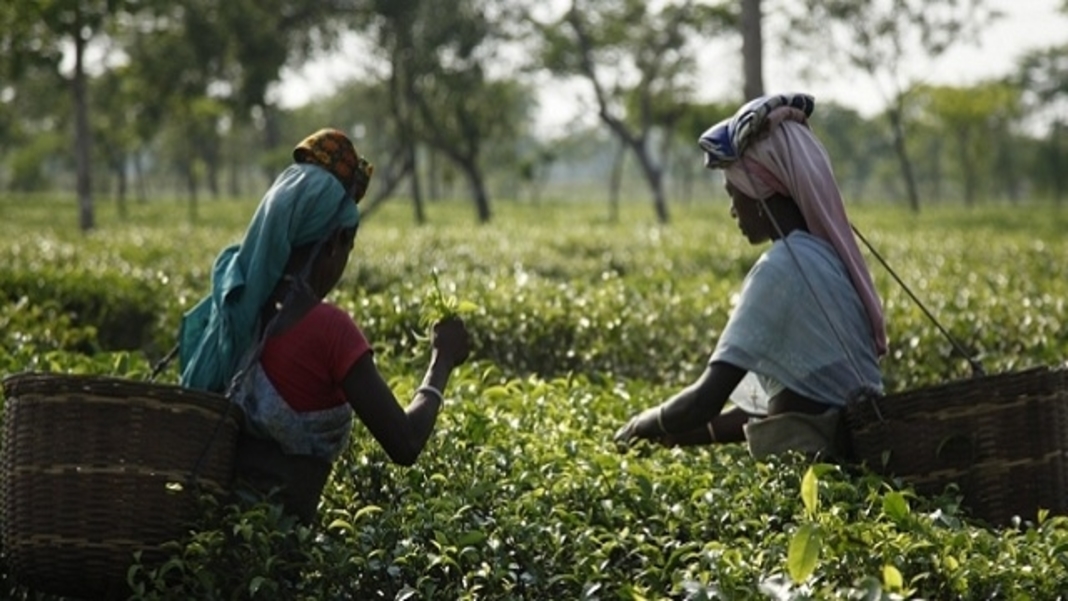

Guwahati, Dec 25: In a decisive move aimed at ending years of marketplace ambiguity, India’s food regulator has ruled that only products made from Camellia sinensis can legally be called “tea”.
In an official clarification issued on December 24, the Food Safety and Standards Authority of India (FSSAI) said it had noticed widespread misuse of the term, with several food business operators marketing products such as “herbal tea”, “flower tea” and “rooibos tea” despite these having no connection to the tea plant.

Under India’s food laws, FSSAI clarified, tea—including green tea, instant tea and Kangra tea—must originate exclusively from Camellia sinensis. Any other use of the word is misleading and amounts to misbranding under the Food Safety and Standards Act, 2006.
The clarification reinforces the Food Safety and Standards (Food Product Standards and Food Additives) Regulations, 2011, which clearly define tea as an infusion derived from the dried leaves of Camellia sinensis. Herbal or plant-based infusions, the regulator said, fall outside this definition and cannot be marketed as tea, either directly or indirectly.
Camellia sinensis, a plant species from the Theaceae family, is the source of all true teas—black, green, oolong, white and others—depending on processing methods. Tea, made by infusing its dried leaves, is the world’s most consumed beverage after water and is widely associated with potential health benefits.
The tea industry has welcomed the clarification, calling it long overdue.
Bidyananda Barkakoty, Adviser to the North Eastern Tea Association (NETA), said the move would bring much-needed clarity to consumers and restore order to the market.

“This clear definition of tea will remove confusion from consumers’ minds and help clean up misleading claims in the marketplace,” Barkakoty said.
He added that the Indian regulator’s position aligns with international practice.
“Even the U.S. Food and Drug Administration recognises beverages derived from Camellia sinensis as ‘tea’, and not herbal infusions,” he noted.
Labelling rules and enforcement
FSSAI also highlighted the Food Safety and Standards (Labelling and Display) Regulations, 2020, which require food products to clearly state their true nature on the front of the pack. Products that do not meet the legal definition of tea must be labelled accordingly and may need approval as proprietary or non-specified foods under existing regulations.
The directive applies across the supply chain—from manufacturers and importers to retailers and e-commerce platforms. State food safety commissioners and regional directors have been instructed to ensure strict compliance, with enforcement action to follow in cases of violation.