


Guwahati June 16: A team of researchers led by Nagaland University is digging deep into the history of Naga communities to find clues that could help tackle climate change and improve food security today.
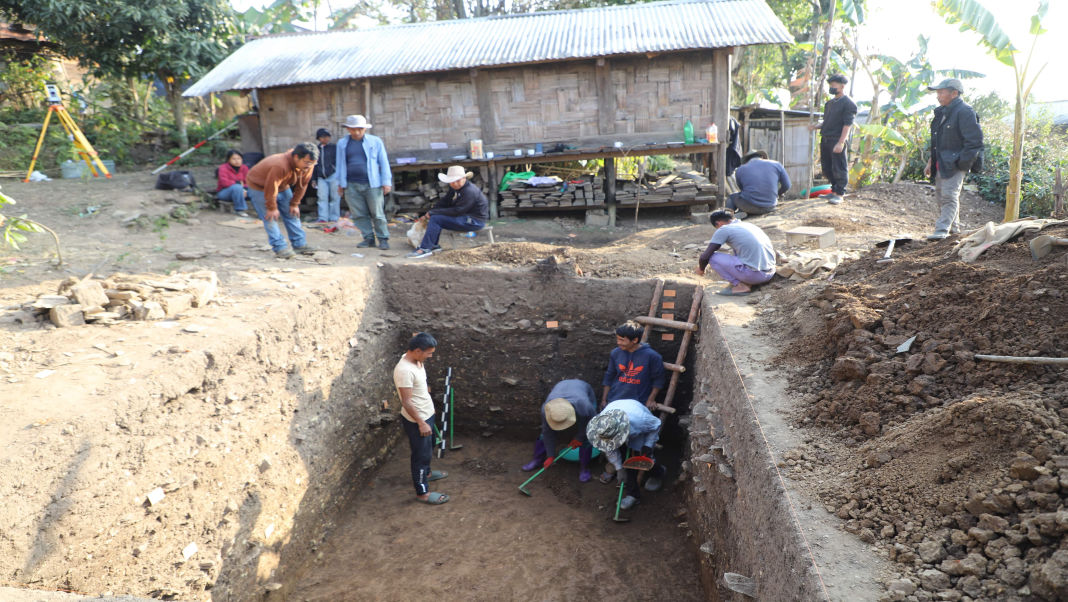
The project focuses on understanding how people in Nagaland lived thousands of years ago—what they ate, how they farmed, and how they adapted to changing weather over time. The researchers are studying both prehistoric sites and ancestral village sites, many of which lie beneath today’s villages.
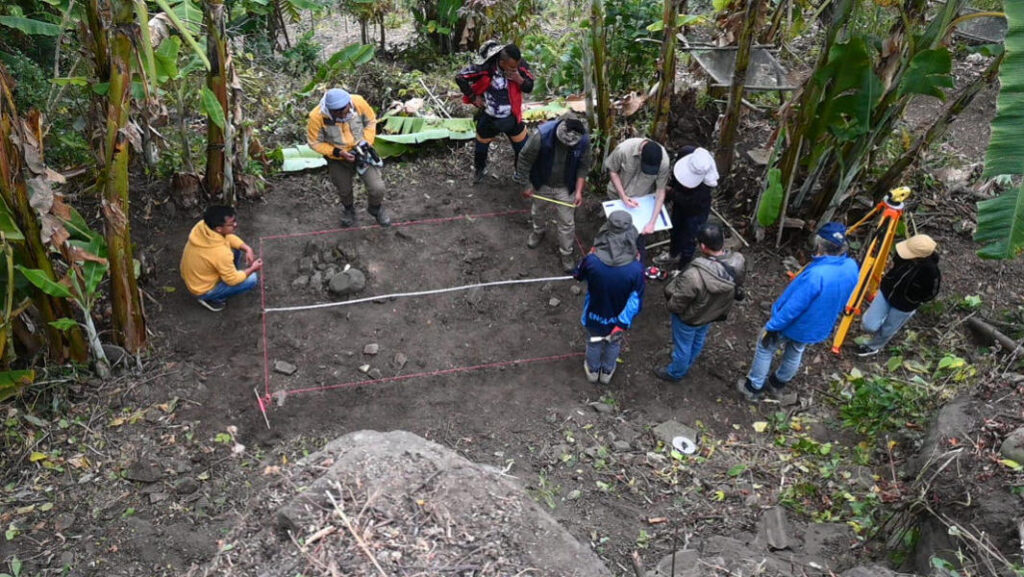
To make sure the work respects Indigenous traditions, the team is working closely with local communities, listening to oral histories and involving them in every step of the research.
“This is about combining science with traditional knowledge,” said Prof. Tiatoshi Jamir from Nagaland University. “We want to learn from the past to help communities face the future.”
The research is funded by the Australian Research Council and includes experts from India, Australia, and the UK. Partners include the University of Sydney, La Trobe University, University of York, and Birbal Sahni Institute of Palaeosciences.
So far, the team has studied sites like Langa village in Shamator district, where locals shared stories of why the village was once abandoned. The excavation revealed old settlements beneath the ground, and the team even made a short film with the help of villagers to share this discovery.
They are also working in New Phor village in Meluri district, again with full support from the local community.
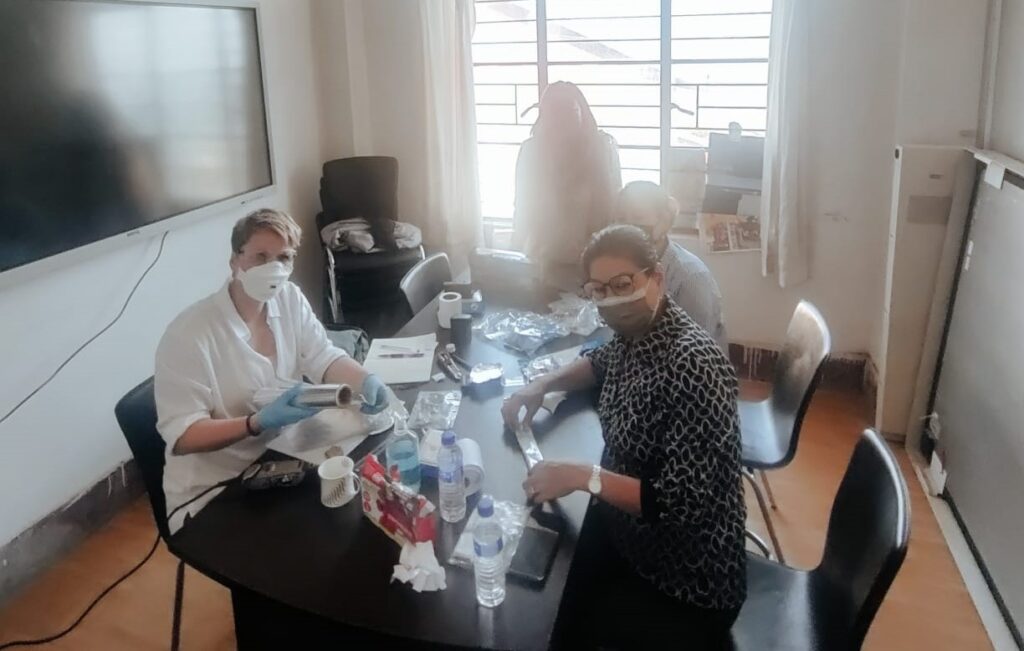
The team is using different scientific tools—like studying ancient soils, plant remains, and pottery—to understand how people lived and what they ate. This can show how past generations dealt with tough weather or food shortages.
One key focus is the traditional jhum (slash-and-burn) farming method. While often seen as harmful, new studies suggest it actually helps preserve biodiversity and traditional farming knowledge.
This research could help communities in Nagaland and beyond find smarter, more sustainable ways to grow food and live in harmony with nature—even in the face of climate change.
Also Read: Five arrested for allegedly throwing beef near Kali Temple in Assam’s Goalpara district
Also Watch
Find latest news from every corner of Northeast India at hubnetwork.in, your online source for breaking news, video coverage.
Also, Follow us on-
Twitter-twitter.com/nemediahub
Youtube channel- www.youtube.com/@NortheastMediaHub2020
Instagram- www.instagram.com/ne_media_hub
Download our app from playstore – Northeast Media Hub