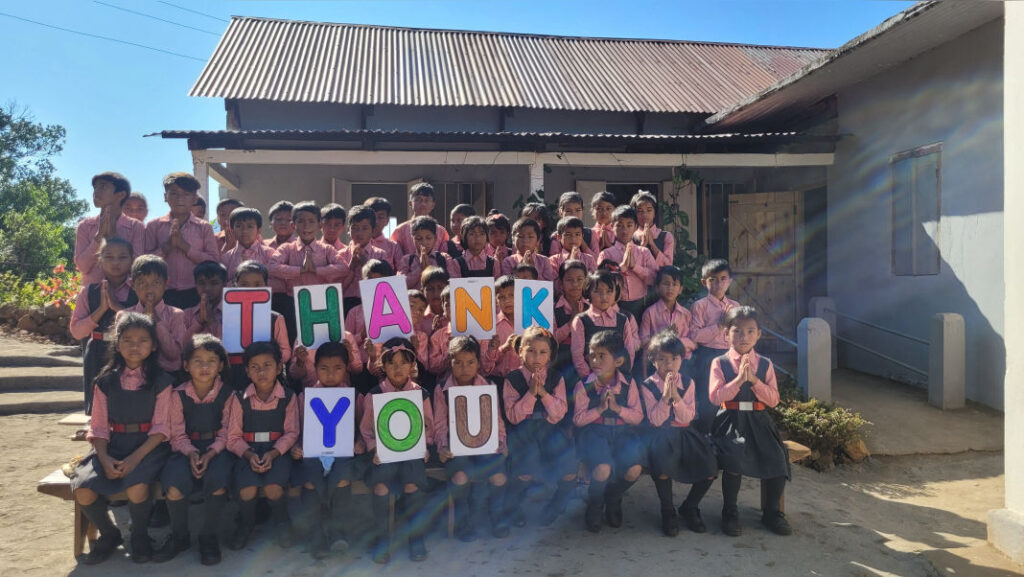


⁃ Kenny Jyrwa
Remember Rancho from 3 Idiots? The genius who turned a dull classroom into a fun space for learning? Well, Meghalaya has its own Rancho but not with fancy gadgets or movie magic, but with bamboo, mud and a whole lot of heart.
Meet Batskhem Thabah, a government school teacher whose journey took him 85 km from Shillong to an almost forgotten village in Mawsynram.
The school – Raibah Government Lower Primary School with almost no staff, no proper infrastructure and just a handful of children, the Primary School was more ruins than a school.
For most, it has become a trend to say, “Ehh, trei sha Nongkyndong te leit trei tang sngi ïew” But not Batskhem. Instead of being lazy or pretending not to care, the ruins motivated him.
In 2021, when he was firstly posted there, the school had been shut for nearly two years. Overrun by weeds, battered by rain and forgotten by the system, it was a ghost of what a school should be. But Batskhem saw potential, not just in the building, but in the kids, in the village and in the power of small steps.
Before diving into books and blackboards, Batskhem started with brooms. He taught the students that cleanliness was not just about the surroundings but it also about clarity of the mind and pride in your place.
Together, they cleaned the compound, planted flowers and turned the school into a “green campus.”
“On my first day of school I had a chance in getting to know more about the children and the history of the school, i was just simply observing—the school compound, the students, and the village.Listening to their stories and the problem they had face had really made me think of what to do and where to begin with. I had to start from scratch. I had a vision—a hope to bring change as much as I can. So, I began. I introduced the concept of cleanliness—not just of the school environment, but of the mind and heart”, said Batskhem.
The transformation inspired the whole village. What began as just a one man’s mission became a community movement.
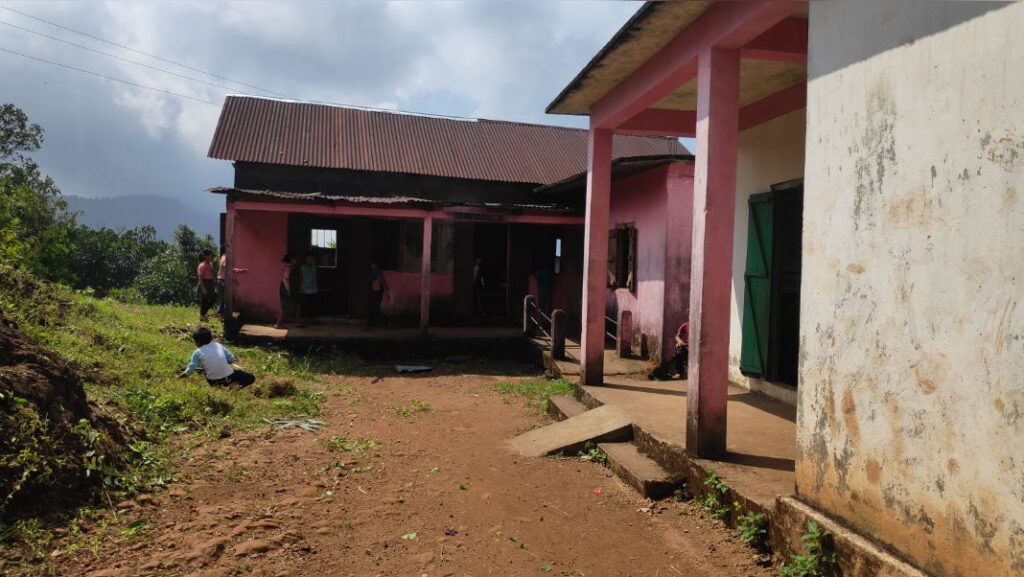
And guess what? The students started to lead the change. They made rotating schedule (or took turns) to clean the school, protected their plants, and even inspired their parents back home to be more mindful of hygiene and nature.
“What began as a small initiative soon grew into something bigger—our efforts inspired a community cleaning drive, where students, teachers, and even community members joined hands to keep our surroundings clean”, he said.
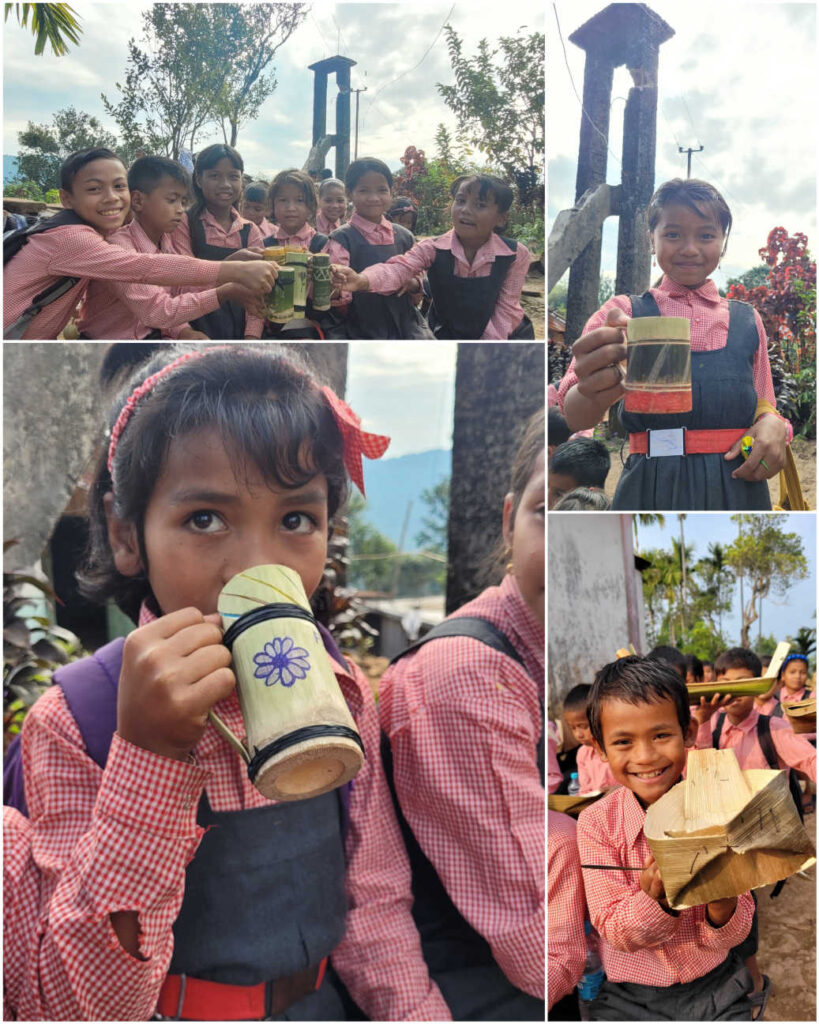
When Batskhem noticed that most kids didn’t even have pencil boxes, he didn’t rush to the market. Instead, he looked around and turned to nature. Remember how we compared him to Rancho? Well, the same mindset. Batskhem crafted bamboo pencil holders, wooden writing boards, areca leaf plates and bamboo cups for drinking water.
Students planted local flowers, learned their scientific names and grew their own kitchen gardens with help from their parents.
“With time the school started to take shape and it became more than just a place of learning. It became a place of hope and a second home for real. A place where children grew in confidence, a place where children are most happy to be, where they can express themselves freely”, encouraging words from Batskhem.
To build student bonds, Batskhem go beyond the prescribed curriculum, he introduced team games, music, reading hours and even drama sessions. He made phonics fun – think musical chairs but with vowels and consonants.
He taught values of kindness and unity, which came alive when of the student fell ill. Remembering the teaching of Batskhem the students visited the ill classmate daily, encouraged him and kept his spirits up until he returned, stronger than ever
Batskhem recalled, “I was surprised when I came to know that most of the children visited him daily, spending time with him, Cheering and encouraging him, and also reminding him not to give up. . Some of his classmates even brought snacks to cheer him up and some went to pray for him. I also visited him regularly. Their acts of kindness deeply inspired him, and he remained motivated to continue learning. I even conducted his exams at home, and he passed with determination and pride. Their kindness and care uplifted his spirit so much that, after six months, he recovered and joined Upper primary school in the following year”.
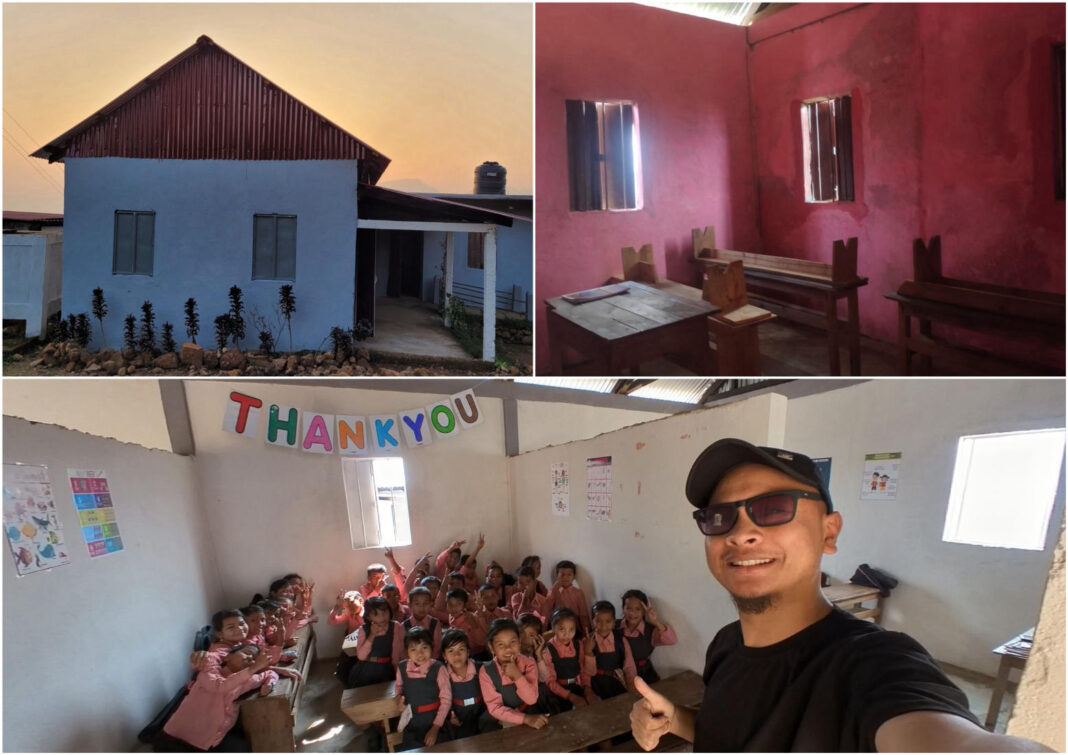
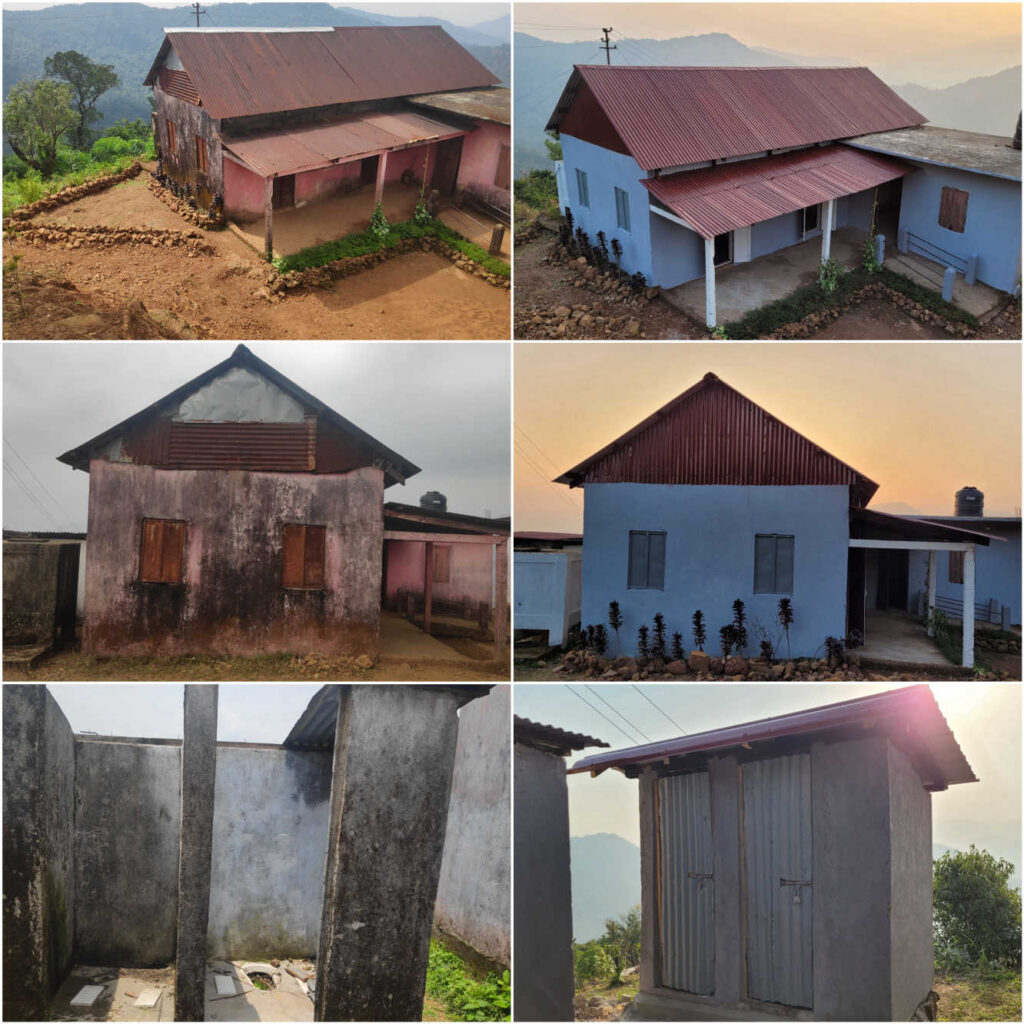
But inspiration alone was not enough. The school roof leaked, the windows were broken and the classrooms weren’t safe during the region’s heavy monsoons. Mawsynram is one of the wettest place in the world.
That’s when Batskhem turned to an old friend, Ibarihun Majaw, and started a crowdfunding campaign on Milaap.
What happened next? Magic. People from all over donated, shared messages and within a week, they hit the target. With help from fellow teachers, friends and even strangers, the school got a much-needed makeover. Batskhem brought materials from Shillong in his own car, worked shoulder-to-shoulder with the villagers and transformed not just the classrooms but the spirit the entire village of Raibah.
Even the nearby Anganwadi centre got a facelift and became a much-needed classroom.
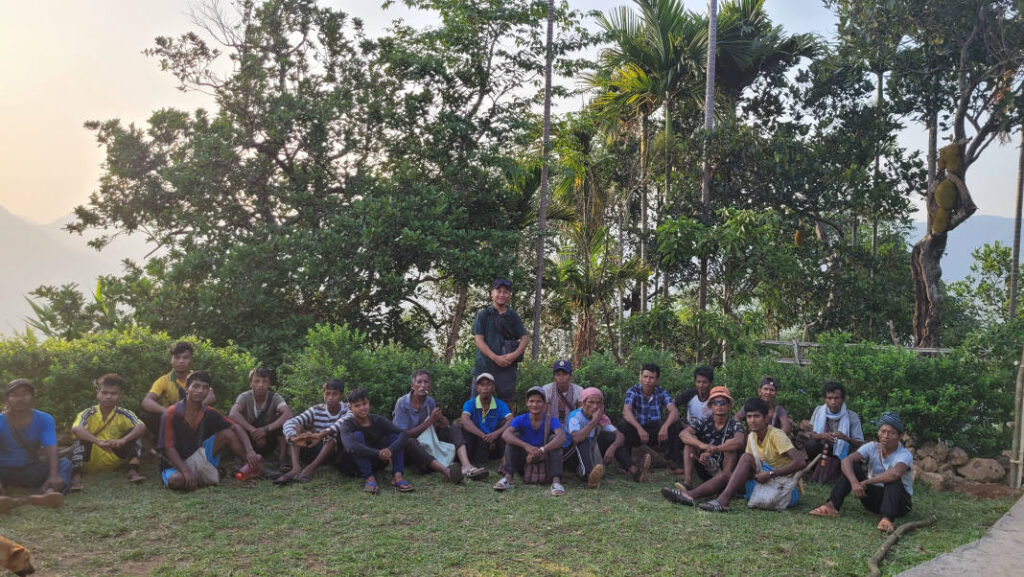
A one man show now turns into an army.
Fathers brought tools. Mothers cleaned. Even villagers without kids in the school pitched in because it was not just about education anymore. It was about pride of their village.
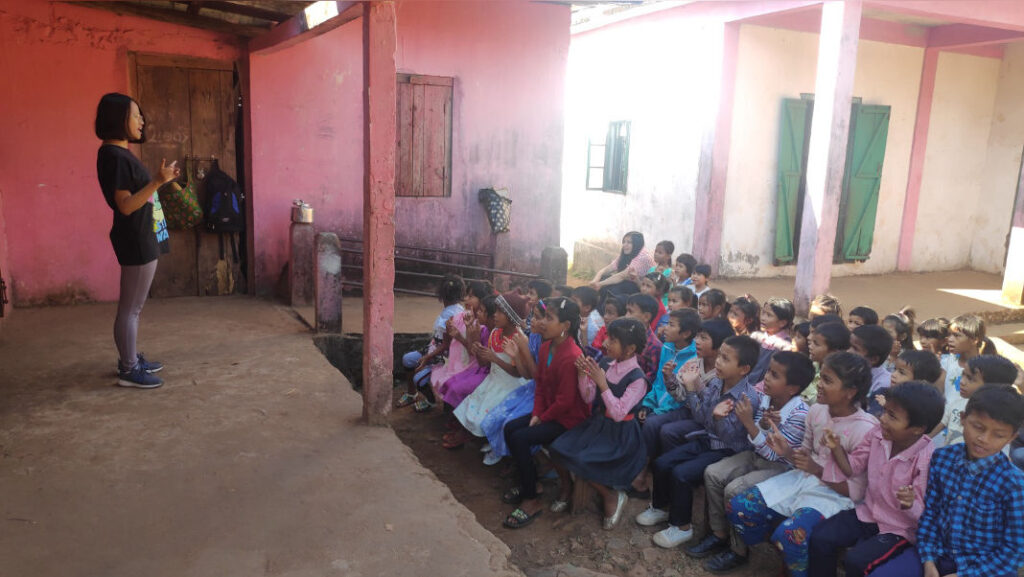
With the help of a local teacher, Danolyn Snaitang and support from education experts like David Nongrum and DERT, Batskhem improved classroom learning too. He grouped students by ability and focused on foundational literacy and numeracy using fun, interactive methods.
Thanks to the Owl Library, the school received over 100 books. Batskhem made sure it was not just silent reading; students performed plays, held reading sessions and brought those stories to life.
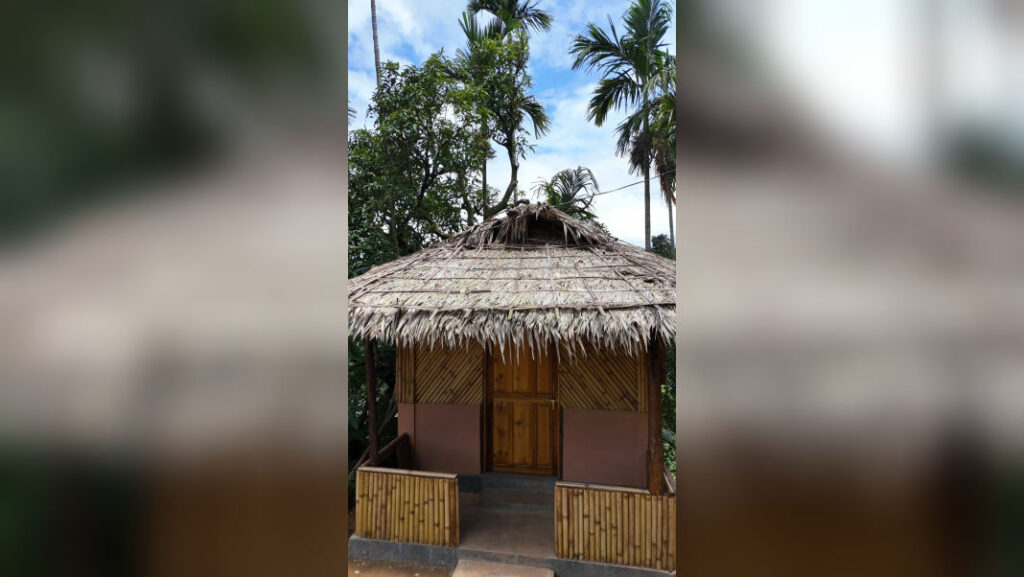
Then came the next big dream — The Raibah Living Library. Backed by the Green Hub x Royal Enfield Conservation Grant, the library became a space to preserve indigenous knowledge. Village elders now teach kids about local herbs, edible plants, folklore and the history of heroes like U Sngap Singh Syiem — a Khasi chief who fought British colonisers and died in Raibah.
Batskhem did not just work in Raibah — he lived it. From joining the villagers in farming and fishing to starting a conservation stream project to preserve local fish, he immersed himself in their daily lives. And through these efforts, the school became more than a boring four walls.
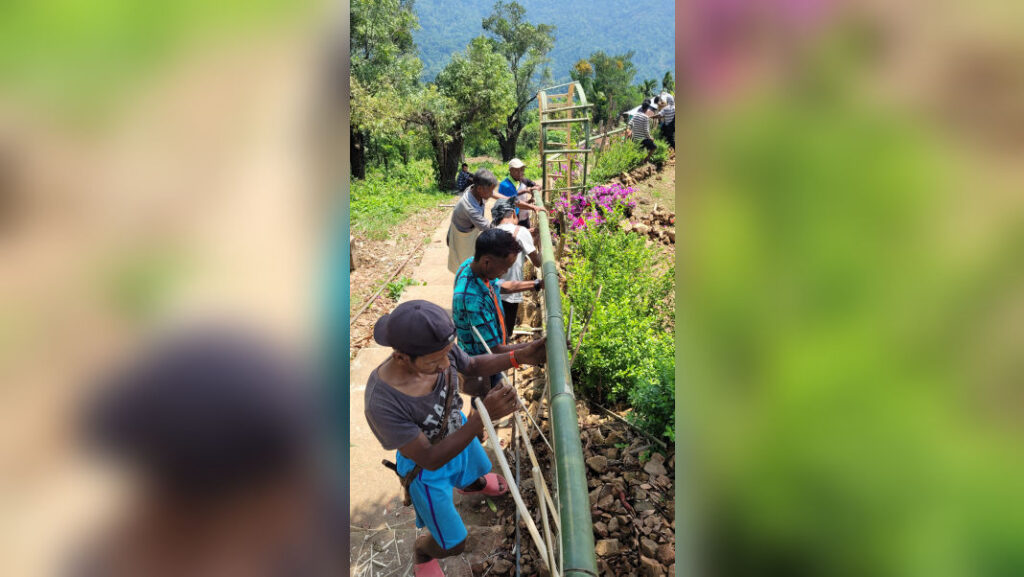
Today, Raibah’s school is no longer just a school. From broken walls to bamboo fences, from muddy grounds to flower beds, from neglected classrooms to a community of learners. Every inch of the transformation speaks of collective effort and hope.
And behind it all, one humble teacher, who did not wait for a miracle, but became one.
Lest we forget, Batskhem is only in his early 30s, having begun his teaching journey as recently as 2017. Yet, reading his story, one might picture a man in his 50s, carrying decades of experience. The reality is quite the opposite and that is what makes it remarkable. Batskhem is not just an inspiration; he is a lesson to us all.